
–but Minority Says Economic Recovery Has Not Reached Ghanaians’ Pockets
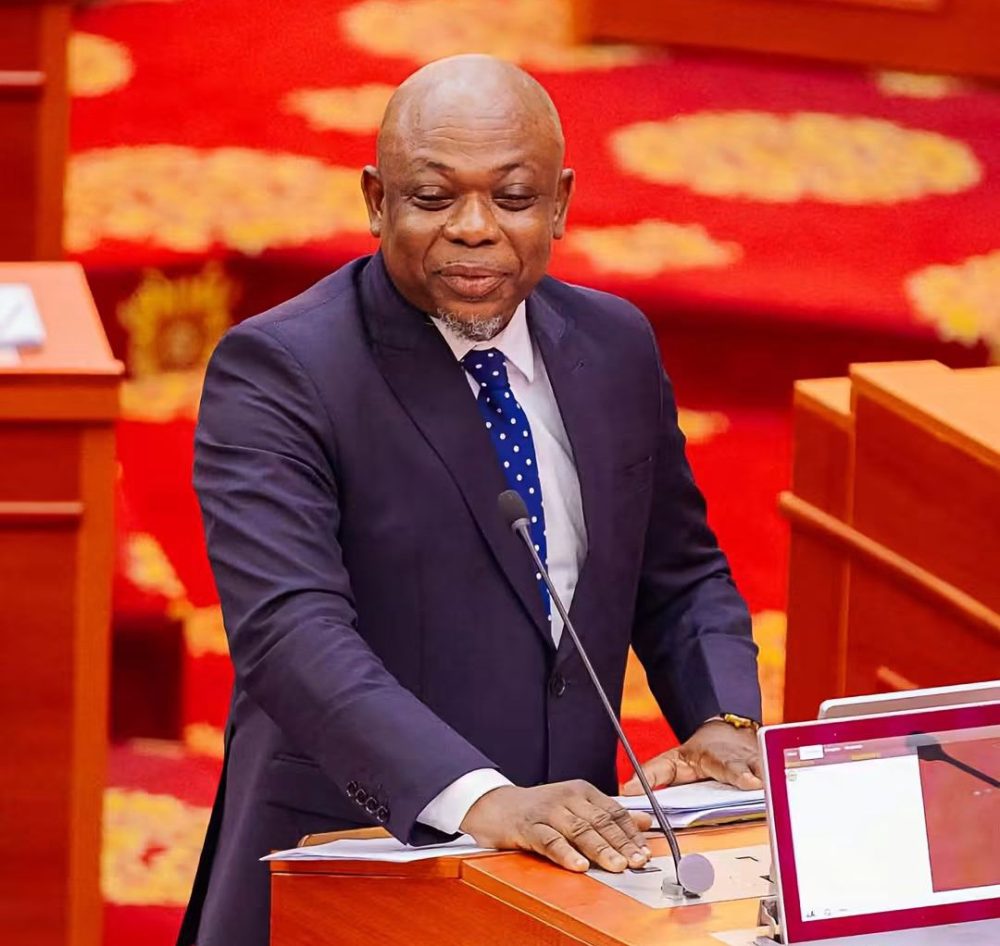
The Majority Leader and Member of Parliament for Builsa North, Hon. James Agalga, has defended the 2027 Budget Statement and Economic Policy, describing it as a major step towards restoring Ghana’s economic confidence, hope and national pride.
He said the National Democratic Congress (NDC) government had made significant progress in stabilising the economy and laying the foundation for sustainable growth, job creation and industrialisation within its first 18 months in office.
Hon. Agalga made the remarks on Thursday, November 26, 2026, during the concluding debate on the 2027 Budget in Parliament, where he and Minority Leader, Osahen Alexander Kwamena Afenyo-Markin, presented contrasting assessments of the government’s economic performance and policy direction.
While the Majority Leader praised the Finance Minister, Dr Cassiel Ato Forson, for what he described as remarkable economic achievements, the Minority Leader argued that the government’s celebrated improvements had yet to translate into meaningful relief for ordinary Ghanaians.
In his closing remarks, Hon. Agalga said the most important question confronting Parliament was whether Ghana was in a better economic position than it was two years ago, insisting that the available economic indicators demonstrated a significant turnaround.
He cited a reduction in inflation from 54.1 per cent to 5.5 per cent, food inflation declining to 2.8 per cent in October 2026, and the price of a bag of cement falling from GH¢115 to GH¢80 as evidence of improving economic conditions.
He further highlighted a primary surplus of 1.4 per cent of Gross Domestic Product (GDP), a fiscal deficit of 1.0 per cent against a target of 3.0 per cent, and a reduction in public debt from 61.8 per cent to 47.5 per cent of GDP.
According to him, Ghana’s international reserves had reached US$12.7 billion, representing 4.5 months of import cover, while the policy rate had declined from 18 per cent to 11 per cent.
He also pointed to GH¢36 billion in early debt retirement and credit rating upgrades by Fitch and Moody’s as evidence of renewed international confidence in Ghana’s economy.
On industrialisation and job creation, the Majority Leader said the government’s New Economy Programme was designed to move the country beyond dependence on consumption and imports towards production, value addition and manufacturing.
He disclosed that GH¢30 billion had been earmarked for the programme in 2027, covering strategic sectors such as commercial agriculture, energy, textiles, pharmaceuticals and critical minerals.
He also highlighted a US$2.9 billion commercial agriculture investment initiative, including plans to establish 100,000 hectares of rice production hubs across the Afram Plains, Volta Basin, Western and Northern regions.
The initiative, he said, was expected to create approximately 125,000 jobs from rice production alone.
Hon. Agalga further announced that, beginning in 2027, public institutions would be required to purchase locally produced rice, a policy he said would guarantee a market for Ghanaian farmers and encourage domestic production.
He also cited the Nkoko Nkitinkiti initiative, disclosing that poultry production had increased by 22 per cent, while construction of the Bechem poultry processing factory was 50 per cent complete.
Turning to irrigation and agricultural infrastructure, the Majority Leader accused the previous New Patriotic Party (NPP) administration of failing to translate the Pwalugu Multipurpose Dam project into actual agricultural production despite commissioning activities.
He said the current government had allocated US$1 billion towards the Pwalugu Dam project, with the first phase expected to be completed by 2029.
He also mentioned the Aninkroma Irrigation Project, which is expected to cover 500 acres in the Ashanti Region, and the Anunuso Water Conservation Scheme, designed to support rice production across 175 hectares.
On education, Hon. Agalga said the 2027 Budget had prioritised the completion of abandoned and ongoing school infrastructure projects to improve access to quality education.
He outlined plans to complete 30 Community Day Senior High Schools, alongside the construction of 200 Junior High Schools, 200 primary schools and 200 kindergartens under the Ghana Education Trust Fund (GETFund).
He added that the government’s educational infrastructure programme also covered teachers’ accommodation, sanitation facilities, textbooks and furniture, stressing that school infrastructure must be accompanied by the necessary human and learning resources.
The Majority Leader also pointed to the growing digital economy, citing a 32.61 per cent increase in Ghana Interbank Payment and Settlement Systems (GhIPSS) transactions, transaction values exceeding GH¢1 trillion within six months, 26.7 million active mobile money accounts and more than 200 fintech companies operating in the country.
Responding to concerns surrounding the acquisition of a new presidential aircraft, Hon. Agalga maintained that the decision had received approval from both sides of Parliament without objection.
He explained that the old aircraft was 16 years old and had experienced prolonged grounding in France in 2025, arguing that the acquisition was financed from domestic resources rather than borrowing.
He also accused the previous administration of leaving behind unfinished projects and unfulfilled promises, citing the Pwalugu Dam and the Agenda 111 hospital programme as examples.
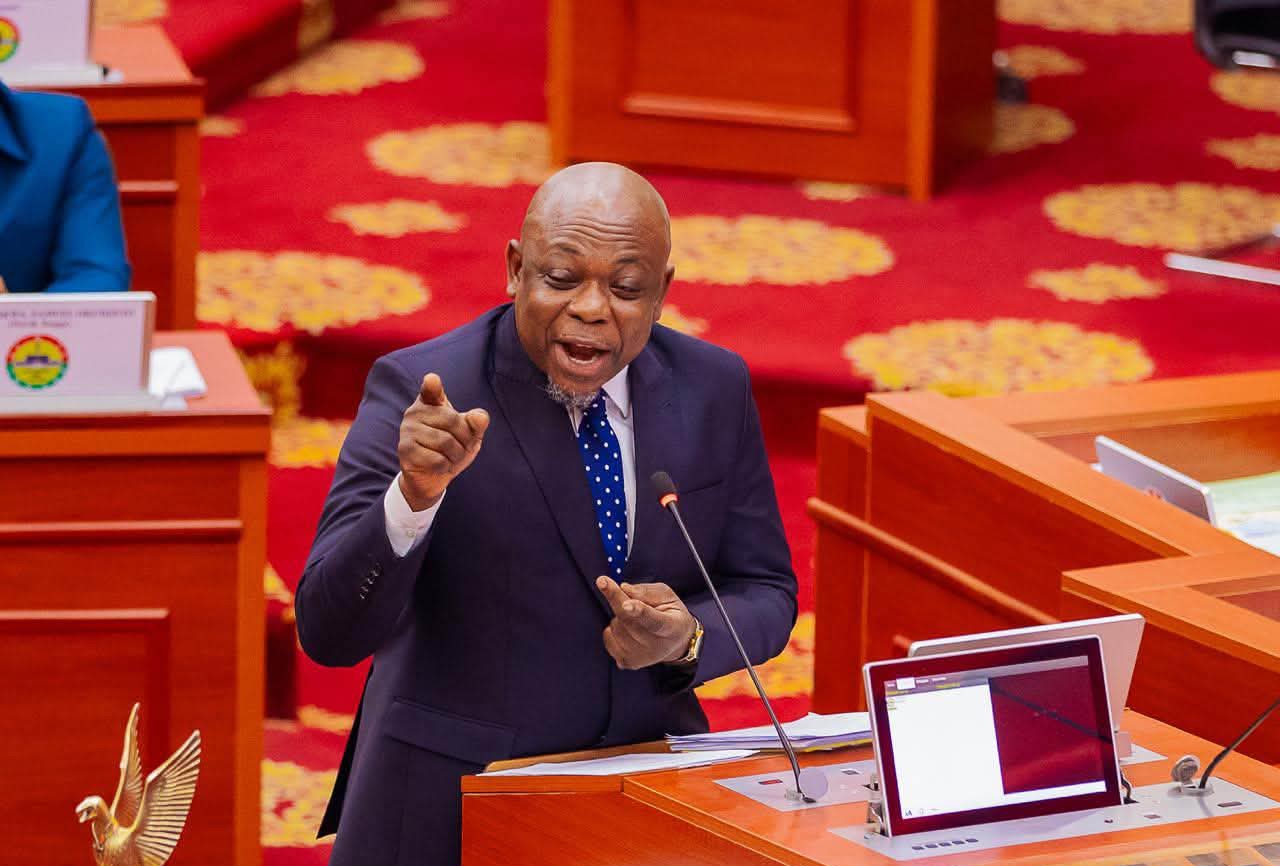
Although he acknowledged that the economic recovery had not yet translated into improved living conditions for every Ghanaian, he maintained that the government was pursuing the right economic direction.
“The recovery has not reached every household yet. I admit that. But the question is not whether we have arrived. The question is whether we are on the right road. And we are,” he told Parliament.
He subsequently urged Members of Parliament to support the 2027 Budget, describing it as a production-driven economic plan capable of strengthening the country’s industrial base and creating sustainable employment.
Minority Challenges Government Over ‘Paper Economy
However, the Minority Leader, Osahen Alexander Kwamena Afenyo-Markin, offered a sharply contrasting assessment, arguing that the economic improvements being celebrated by the government were yet to reflect in the pockets of ordinary Ghanaians.
He described the situation as a growing divide between what he termed the “paper economy” presented by government and the “pocket economy” experienced by households, market women, students and struggling businesses.
According to him, the government had focused heavily on presenting favourable economic statistics without adequately addressing the everyday difficulties confronting citizens.
“Let the people feel the change of the economy in their pockets and not on paper,” he challenged.
He argued that declining inflation and improved exchange rate stability would have little meaning if Ghanaians continued to struggle with the cost of food, school fees, utility bills and other essential expenses.
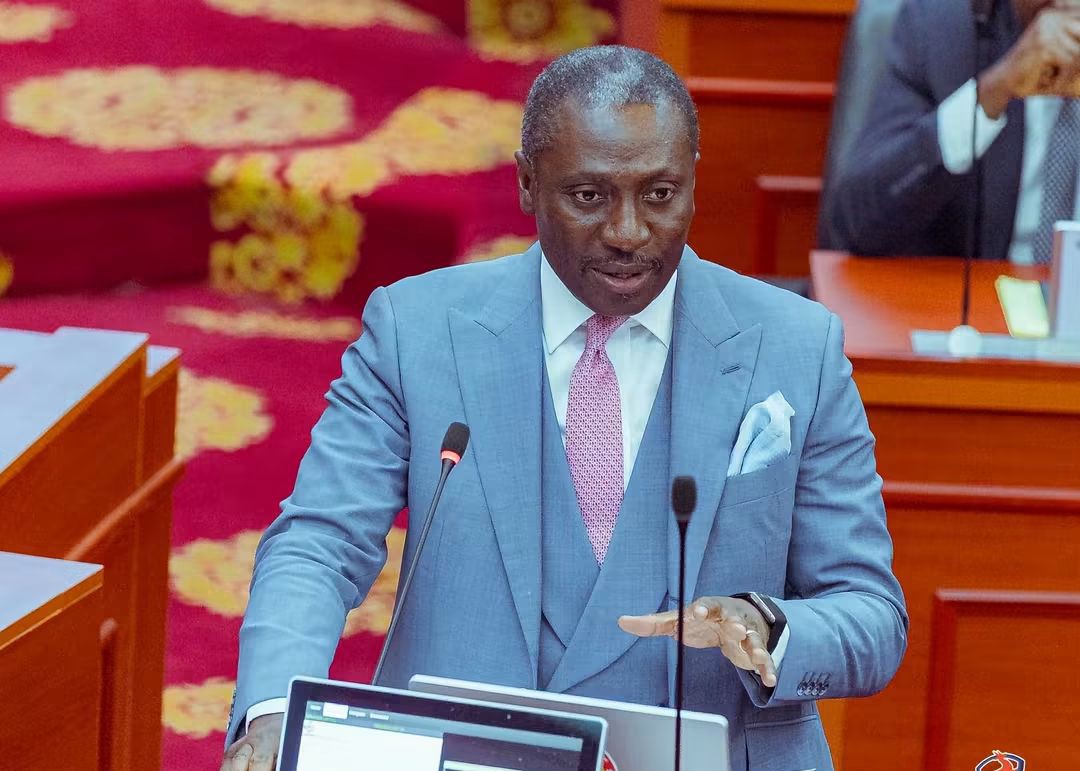
“The market woman cannot eat paper. The student cannot pay school fees with a government statement.
The parent counting coins at the end of the month cannot feed a child with a number,” he stated.
The Minority Leader further questioned the government’s job creation strategy, insisting that young graduates continued to face difficulties securing decent employment despite repeated announcements of new economic programmes.
He also criticised the New Economy Programme, questioning the government’s ability to deliver on its industrialisation and employment promises without a clearly defined private-sector policy and adequate incentives for businesses.
He raised concerns about proposed Social Security and National Insurance Trust (SSNIT) investments in hotels, the Women’s Development Bank and skills development initiatives, while questioning the rationale behind some of the government’s long-term projections extending to 2030 when its current constitutional mandate ends in 2028.
Mr Afenyo-Markin also expressed concern about the alleged abandonment of the Agenda 111 hospital project, arguing that the development could undermine efforts to expand access to healthcare.
He further raised concerns about what he described as political harassment and the abuse of investigative powers by state institutions, warning that perceived political victimisation and disregard for the rule of law could undermine investor confidence.
He maintained that sustainable economic recovery must be measured by improvements in employment, living standards, business performance and access to essential services rather than economic statistics alone.
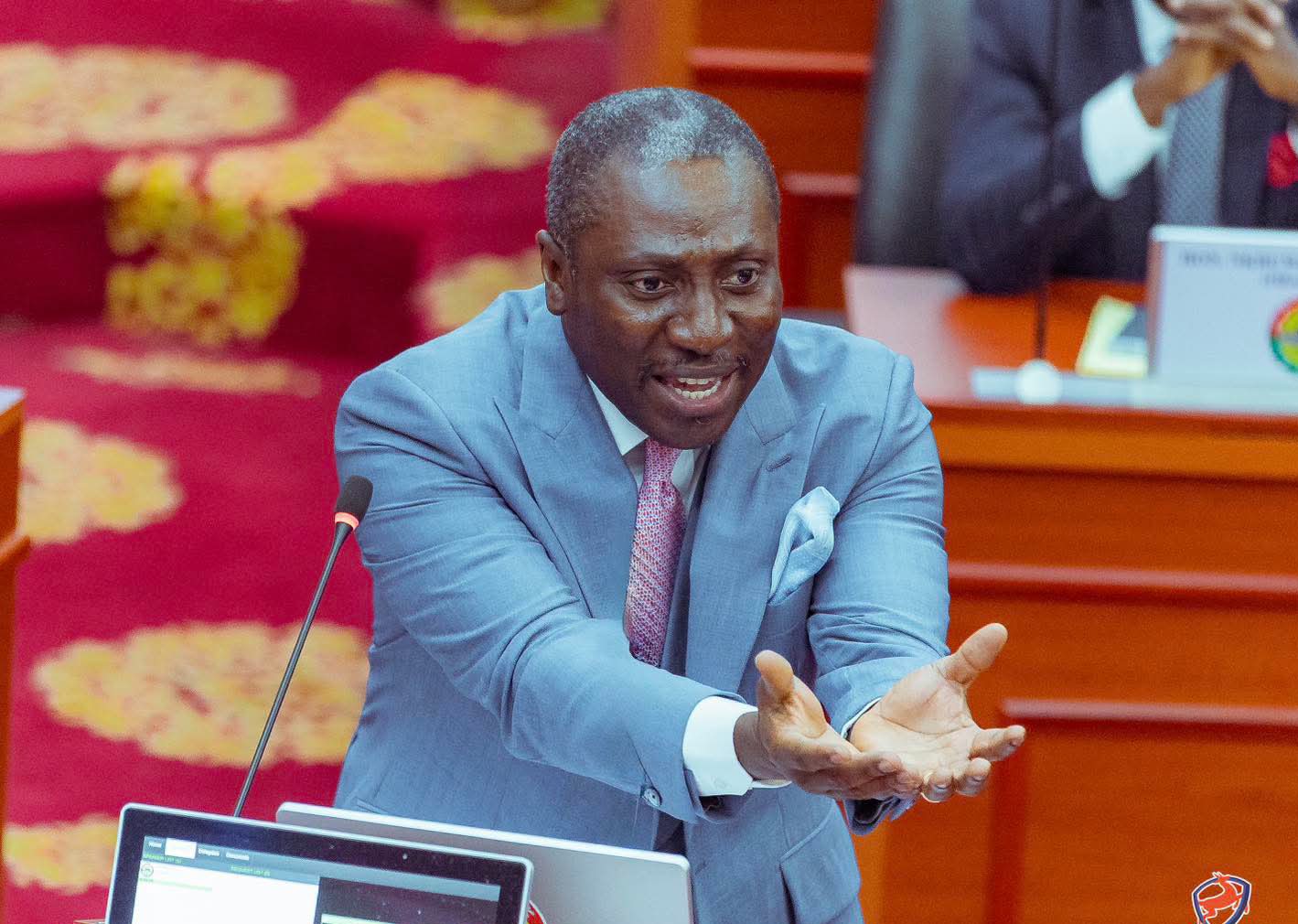
The exchanges between the two parliamentary leaders underscored the sharp political differences surrounding the 2027 Budget, with the Majority insisting that the government’s economic policies were delivering measurable results, while the Minority demanded tangible improvements in the daily lives of Ghanaians.
The concluding debate provided Parliament with an opportunity to assess the government’s economic direction as the House considered the policy priorities, revenue measures and expenditure commitments outlined by the Finance Minister for the 2027 fiscal year.
Source: Felix Nyaaba/expressnewsghana.com


