
As Ghana joins the global community to observe Sexual and Reproductive Health Awareness Day, Women, Media and Change (WOMEC) has issued a powerful call for the government to move beyond policy rhetoric and commit substantial budgetary allocations to sexual and reproductive health (SRH).
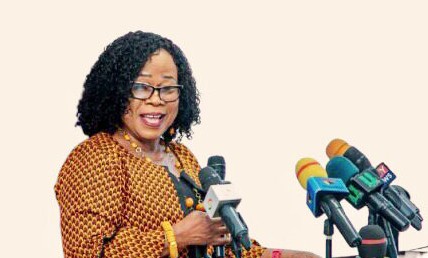
In a statement signed by its Executive Director, Dr. Charity Binka, the organization emphasized that the 2026 observance must serve as more than a moment of reflection.
Dr. Binka described the day as a demand for “bold and sustained action,” noting that the dignity of women and young people remains threatened by misinformation, stigma, and systemic inequality.
The Gap Between Policy and Reality
WOMEC underscored that while national and international commitments exist on paper, the practical reality for millions of women and girls is defined by significant barriers.
These gaps, according to the organization, contribute to preventable maternal health complications and severe social and economic consequences.
Dr. Binka asserted that sexual and reproductive health and rights are fundamental human rights that should not be subject to negotiation.
She stressed that “the era of incremental progress has passed,” and urged duty bearers to prioritize domestic investment to strengthen health systems.
Prioritizing Youth and Specialized Care
The central theme for the year, “adolescent- and youth-friendly services” called for action that are affordable, confidential, and free from judgment.
WOMEC highlighted that health systems must be equipped to handle more than just basic care, pushing for improved diagnostics and treatment for conditions such as cervical cancer, endometriosis, and various sexually transmitted infections.
”Education must lead to policy reform, adequate budgetary allocations, improved service delivery, and measurable outcomes,” the statement read.
The organization argued that interventions like comprehensive sexuality education and access to life-saving screenings are “urgent necessities and not optional interventions.”
The Media’s Role in Accountability
WOMEC also challenged media institutions to shift from “episodic coverage” to consistent reporting on reproductive health as a national priority.
Dr. Binka noted that evidence-based reporting is the most effective tool to “challenge harmful myths, break the silence surrounding reproductive health, and hold policymakers accountable.”
It therefore called for a unified front involving health professionals, educators, and civil society to push for better and effective policies.
WOMEC maintains that the ultimate goal is to ensure every woman and girl can make informed choices about her body and access quality healthcare without discrimination.
”Our health is our right,” the statement affirmed. “Our rights demand action.”
Source: Felix Nyaaba/expressnewsghana.com