
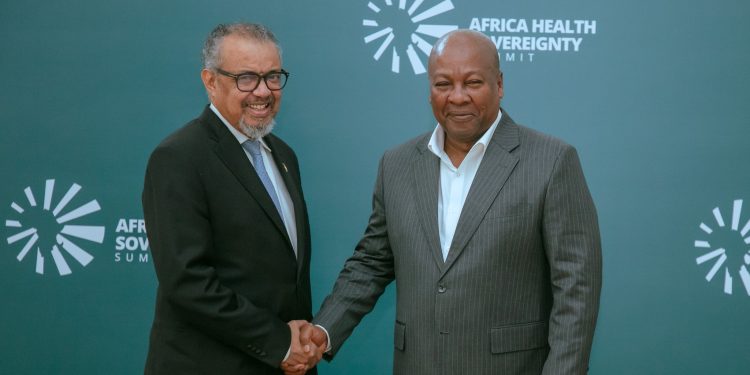
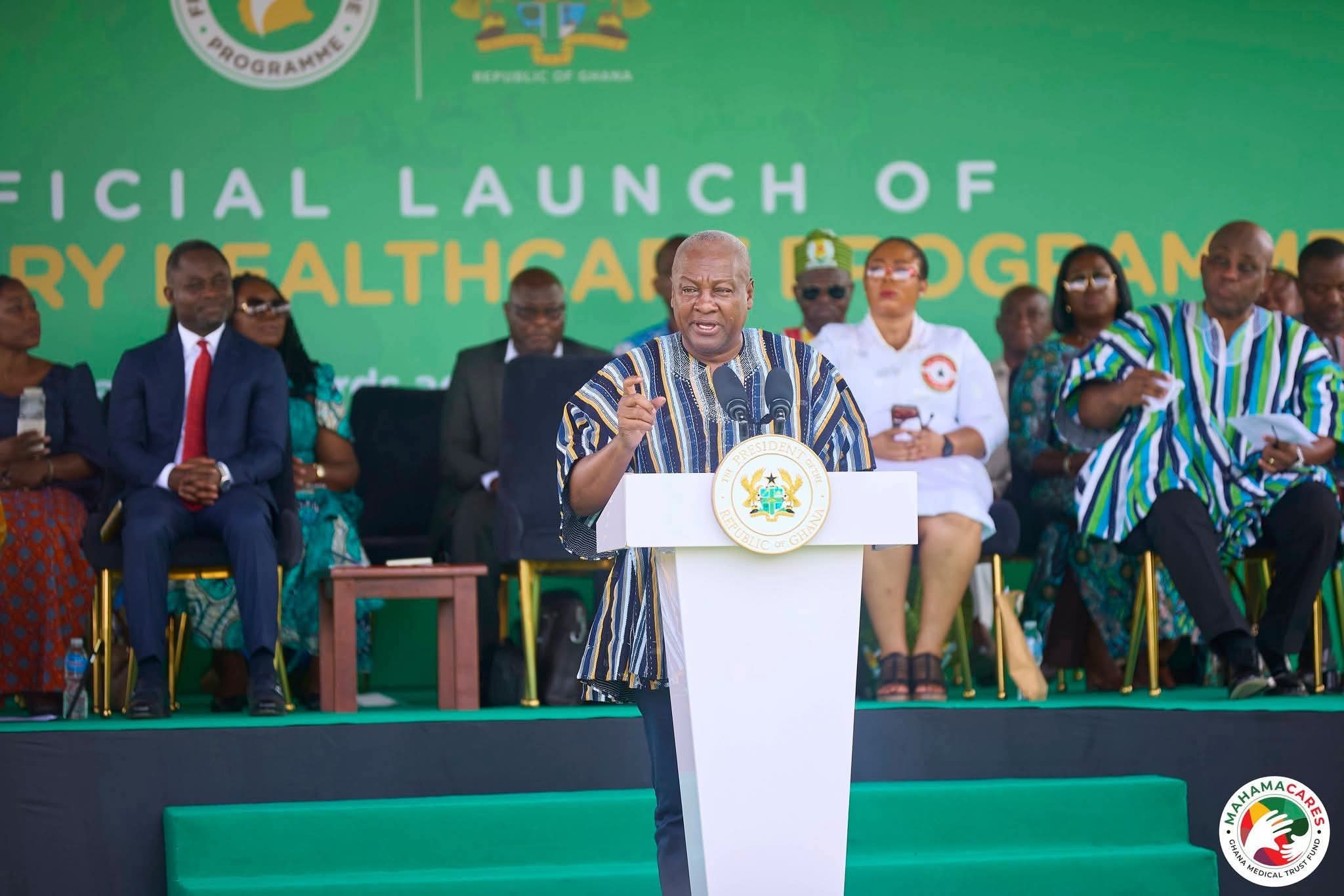
The World Health Organization (WHO) has officially thrown its weight behind President John Dramani Mahama’s newly inaugurated Free Primary Health Care initiative, characterizing the policy as a landmark achievement in Ghana’s quest for Universal Health Coverage.
This high-level endorsement marks a significant diplomatic and developmental victory for the administration as it begins the ambitious rollout of its signature social compact.
In a statement released via X on Thursday, WHO Director-General Dr. Tedros Adhanom Ghebreyesus expressed profound and optimism regarding the policy’s capacity to reshape the nation’s medical landscape.
Dr. Tedros emphasized that “this important milestone brings Ghana closer to achieving Universal Health Coverage,” noting further that “strong primary health care is essential to improving population health, enabling earlier detection, timely treatment, and more effective disease prevention.”
The initiative represents a fundamental shift in the nation’s medical philosophy, moving away from a traditional model focused on curative hospital visits and toward a proactive, prevention-centric doctrine.
By dismantling financial barriers at the point of service, the policy aims to ensure that no Ghanaian is denied essential care due to the inability to pay.
The first phase of the program is set for an aggressive deployment, targeting 150 under-resourced districts over the next two months.
This strategic focus is designed to bridge the gap between urban centers and historically underserved rural communities that have long been encumbered by inadequate access to quality facilities.
Under the specific provisions of the Mahama health policy, the scope of care extends far beyond basic consultation.
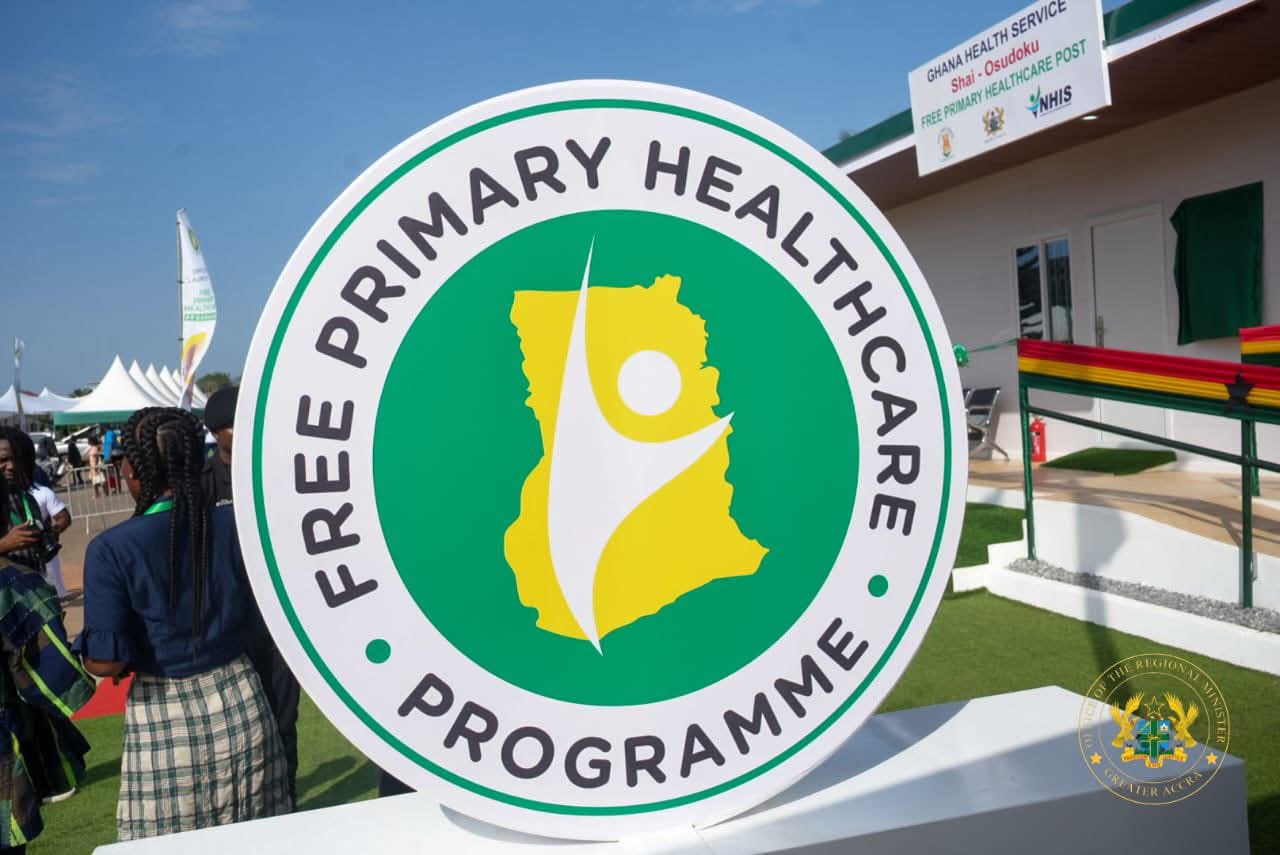
The initiative mandates systematic screening for non-communicable diseases, specifically targeting the rising prevalence of hypertension, diabetes, obesity, and various cancers.
It further solidifies the nation’s commitment to maternal and child health by guaranteeing comprehensive antenatal and postnatal care, as well as a full suite of immunizations.
The program also provides holistic treatment for pervasive afflictions that continue to impact the workforce and youth, such as malaria, diarrhoeal diseases, and acute respiratory infections.
By addressing these at the primary level, the administration expects to significantly reduce the burden on major referral hospitals.
Beyond clinical interventions, the policy integrates health literacy as a cardinal pillar of its strategy.
Community health workers will be deployed to provide counsel on family planning, menstrual hygiene, and the maintenance of potable water practices.
This educational component is intended to cultivate enduring behavioral transformation, ensuring that the Free Primary Health Care initiative functions not just as a medical service, but as a catalyst for a healthier, more informed national populace.
Source: expressnewsghana.com