
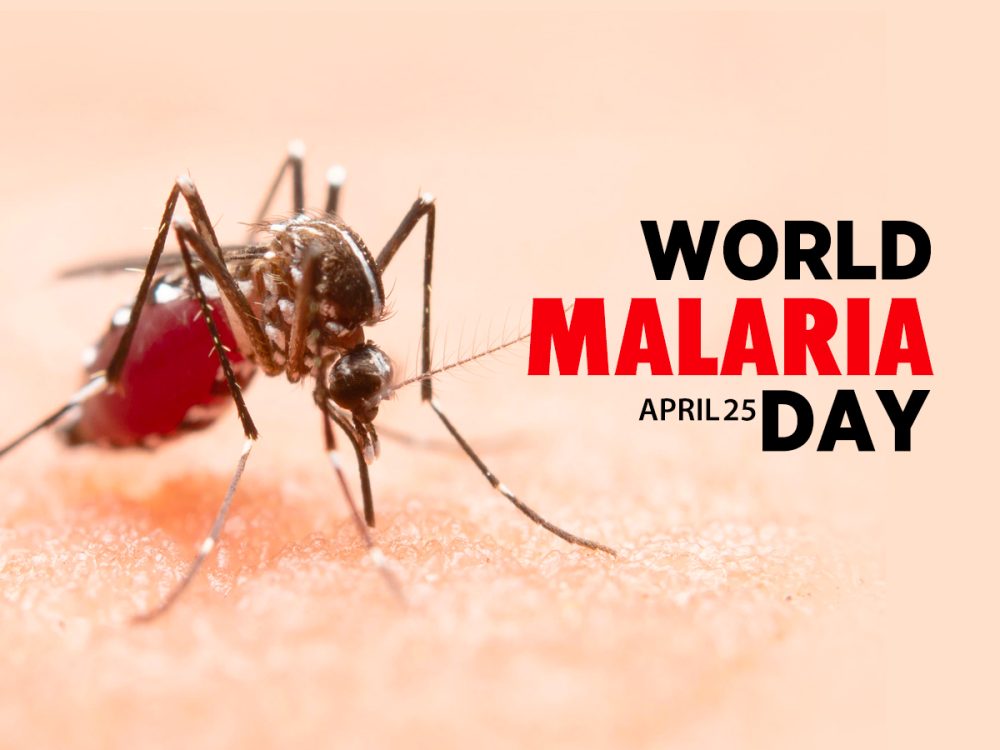
As Ghana joins the rest of the world to commemorate World Malaria Day 2026, the African Media and Malaria Research Network (AMMREN) has called for intensified national efforts, stronger partnerships, and sustained action to eliminate malaria in the country.
This year’s global theme, “Driven to End Malaria: Now We Can, Now We Must,” underscores what AMMREN describes as a critical moment for Ghana to translate commitments into measurable results in the fight against the disease.
In a statement signed by its Executive Secretary, Dr Charity Binka, the network warned that malaria remains one of Ghana’s most pressing public health challenges, continuing to affect millions annually while disproportionately impacting children under five, pregnant women, low-income households, and underserved communities.
“Malaria continues to be one of the country’s leading public health challenges, affecting millions of people every year and placing the greatest burden on the most vulnerable,” Dr. Binka stated.
She added that beyond the immediate health impact, the disease also undermines school attendance, worker productivity, household incomes, and broader national development.

AMMREN stressed that although the tools and knowledge required to eliminate malaria already exist, the pace of progress depends on urgency, sustained leadership, and coordinated action across all sectors.
“The time has come for Ghana to intensify efforts and ensure that proven interventions are consistently adopted at the household and community levels,” the statement noted.
The network highlighted Ghana’s Free Primary Health Care initiative as a major opportunity to accelerate malaria elimination, particularly by improving access to prevention, diagnosis, and treatment services in rural and hard-to-reach areas.
According to AMMREN, effective implementation of the policy could significantly reduce delays in seeking care, lower malaria-related deaths, and ease the financial burden on families.
Dr. Binka further emphasized the need for increased domestic investment to ensure the continuous availability of insecticide-treated nets, rapid diagnostic testing, and quality-assured antimalarial medicines across all levels of the healthcare system.
She also called for stronger support for community health workers to expand access to timely care, especially in remote communities.
The statement underscored the importance of data-driven decision-making, noting that real-time surveillance systems are critical for tracking cases, identifying hotspots, and responding swiftly to outbreaks.
It also called for sustained public education to promote preventive behaviours such as consistent mosquito net use, environmental sanitation, early testing, and adherence to treatment.
AMMREN further urged journalists, researchers, and advocates to play an active role in combating misinformation, raising awareness, and keeping malaria elimination high on the national agenda.
“Malaria is preventable, treatable, and eliminable. Now we can. Now we must,” Dr. Binka stated, expressing confidence that with collective commitment, Ghana can achieve its malaria elimination targets and ultimately end the disease.
Source: expressnewsghana.commm