
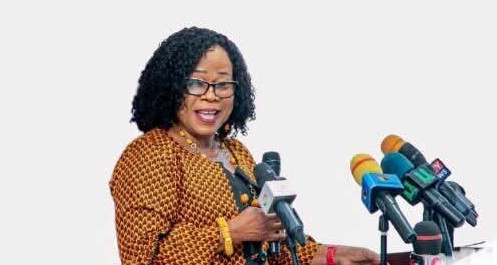
The Executive Director of Women, Media and Change (WOMEC), Dr. Charity Binka, has called on Parliament and key health sector stakeholders to intensify efforts toward sustainable financing for maternal and child nutrition in Ghana, warning that worsening malnutrition figures pose a major threat to the country’s development.
Speaking at a high-level breakfast meeting held in Accra on Thursday, May 21, 2026, Dr. Binka stressed the need for stronger parliamentary leadership, policy coordination and increased domestic investment to tackle the country’s growing nutrition crisis.
The meeting, organised by WOMEC under the theme, “Strengthening Parliamentary Leadership and Domestic Financing for Maternal and Child Nutrition,” brought together Members of Parliament, development partners, civil society organisations, nutrition experts and health sector stakeholders to discuss practical solutions to Ghana’s nutrition financing gap and strengthen accountability for the country’s Nutrition for Growth (N4G) commitments.
Dr. Binka said maternal and child nutrition must remain central to Ghana’s national development agenda, noting that the country continues to face alarming levels of food insecurity, child malnutrition and maternal anaemia.
“We need stronger national commitment and practical interventions that place maternal and child nutrition at the centre of our development agenda,” she stated.
According to research findings presented at the meeting, about 68,517 Ghanaian children currently suffer severe acute malnutrition and require urgent treatment each year, yet only about 15 per cent of them are reached with interventions.
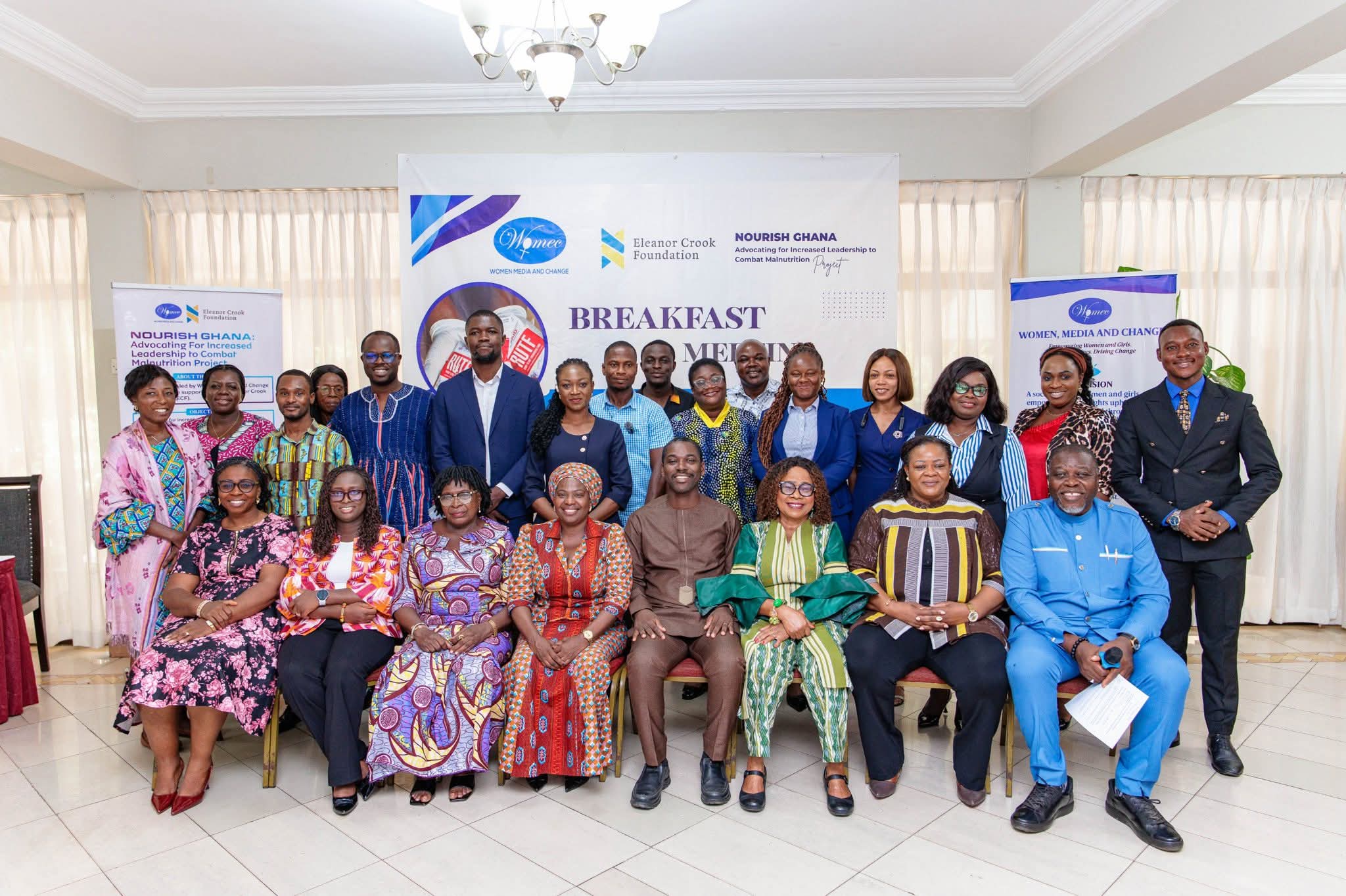
The study further revealed that six per cent of children under five years are wasted annually, while more than 41 per cent of Ghanaian households face moderate to severe food insecurity.
The research also highlighted troubling global hunger trends, indicating that between 690 million and 783 million people experienced hunger in 2022, while nearly 2.4 billion people lacked access to adequate nutritious food due to the lingering effects of the COVID-19 pandemic, inflation and rising food costs.
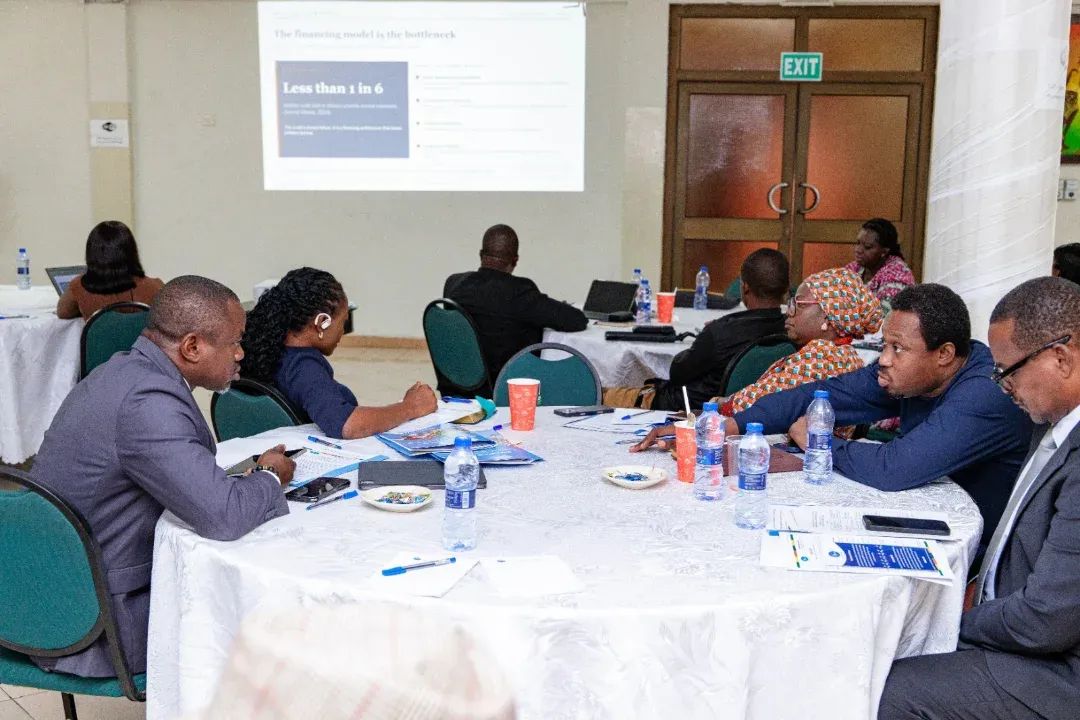
Dr. Binka explained that the meeting sought to deepen parliamentary involvement in nutrition financing and accountability, especially following Ghana’s commitments at the Paris Nutrition for Growth Summit held in March 2025.
She noted that Ghana pledged to commit six million dollars annually toward essential nutrition commodities up to 2030, while also committing to integrate Ready-to-Use Therapeutic Food (RUTF) and Multiple Micronutrient Supplements (MMS) into the National Health Insurance Scheme benefits package.
Prof. Titus Beyuo, a member of Parliament’s Health Committee, assured participants of Parliament’s readiness to support policies and budgetary allocations aimed at improving maternal healthcare and child nutrition.
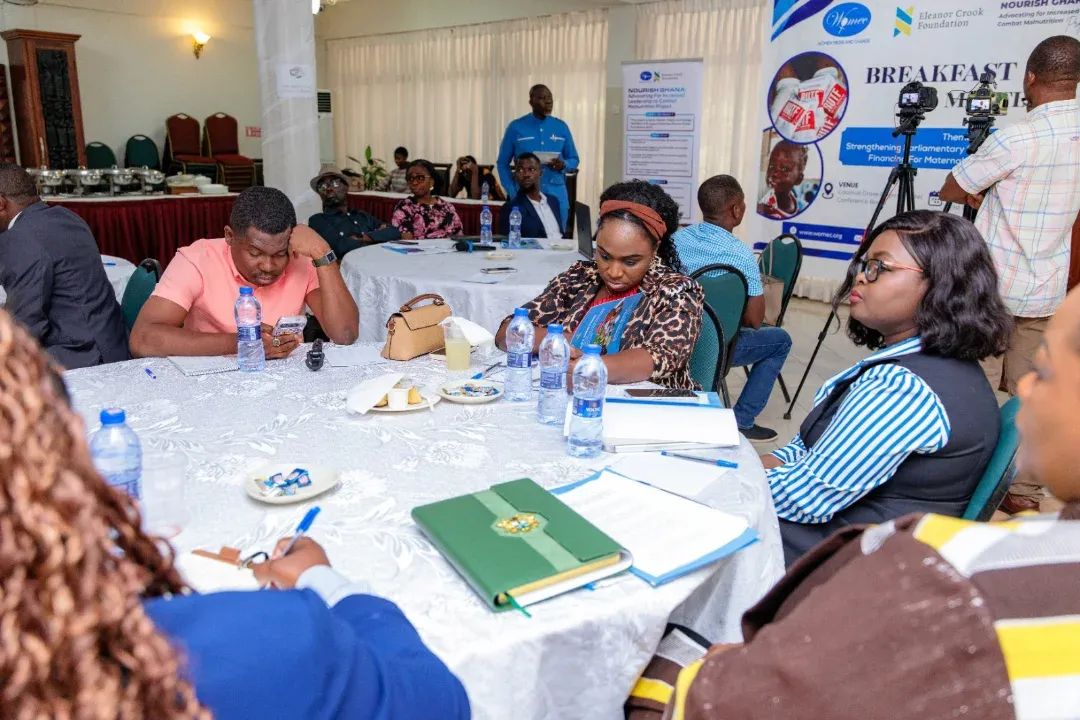
“Parliament has a pivotal role to play and we are ready to join forces with institutions and government to provide the necessary support for nutrition financing in Ghana,” he said.
The Deputy Chief Executive Officer of the National Health Insurance Authority for Finance and Investment, Anatu Anne Seidu Bogobiri, also reaffirmed the Authority’s commitment to supporting national efforts aimed at improving maternal and child healthcare outcomes.
According to her, nutrition should not be viewed solely as a health issue because it directly affects education, productivity, economic growth and national development.
“Sometimes we speak about nutrition as though it is only a medical issue, but in reality, it touches every part of national life — our schools, our economy, our families and ultimately the future of our country,” she stated.
She cautioned against overdependence on donor funding and fragmented interventions, stressing the need for stronger coordination among government institutions, development partners, civil society organisations and the private sector.
“We cannot continue depending only on temporary support or fragmented interventions. We must begin to build systems that can support these services consistently and equitably,” she stressed.
The meeting also highlighted major international commitments toward global nutrition financing, including billions of dollars pledged by development finance institutions and donor countries to support healthcare and nutrition interventions worldwide.
Participants expressed optimism that stronger parliamentary oversight and sustained domestic investment would help Ghana fulfil its Nutrition for Growth commitments and improve maternal and child health outcomes across the country.
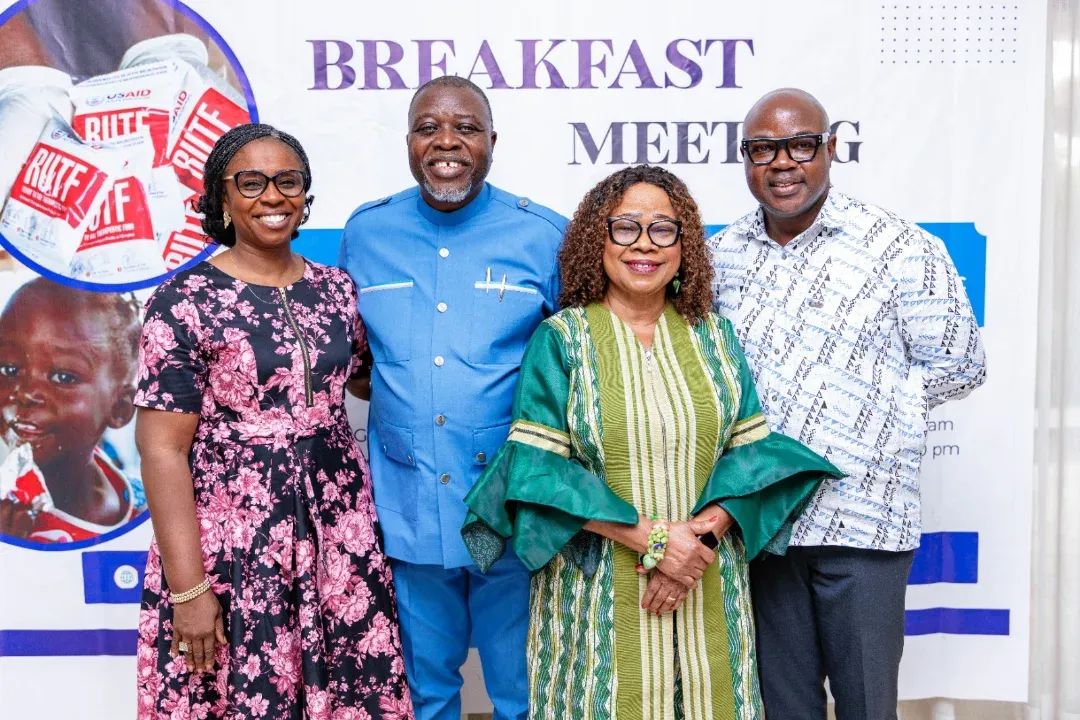
Source: Felix Nyaaba/expressnewsghana.com