
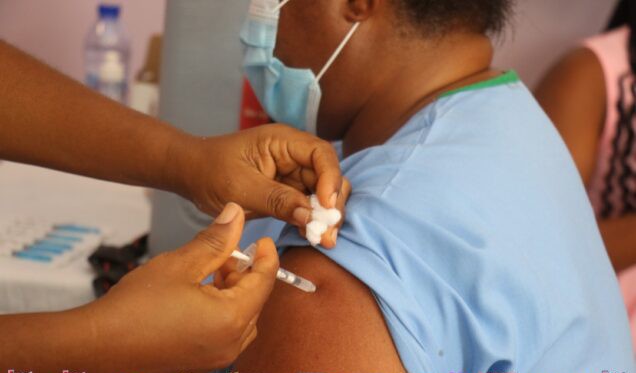
A nationwide vaccine perception survey conducted by the National Vaccine Institute has revealed that an overwhelming majority of Ghanaians have confidence in vaccines, dispelling fears of widespread vaccine hesitancy in the country and strengthening hopes for Ghana’s planned local vaccine production agenda.
The survey, which covered all 16 regions and 55 districts across the country, analysed 13,905 valid responses, making it one of the most extensive national assessments of public attitudes toward vaccines and locally manufactured health products in Ghana.
According to a statement signed by Dr. Sodzi Sodzi-Tettey, the Director of the Institute, the findings show that Ghanaians largely see vaccines as life-saving interventions and are prepared to support the country’s quest for vaccine sovereignty and self-sufficiency.
The report disclosed that 89.7 percent of respondents expressed confidence in vaccines, while 94.2 percent agreed that ensuring vaccine availability is a collective national responsibility.
Additionally, 71.3 percent of respondents indicated their readiness to accept vaccines manufactured in Ghana once local production begins in 2027.
“These findings demonstrate that Ghanaians believe in vaccines and are willing to embrace Made-in-Ghana vaccines when production begins,” the statement noted.
The survey further revealed high levels of trust in healthcare professionals and regulatory institutions.
About 87.8 percent of respondents said they trust doctors and nurses who administer vaccines, while many also expressed confidence in the Ghana Health Service and the Food and Drugs Authority.
Health experts believe this strong institutional trust could become a major pillar for the success of Ghana’s vaccine manufacturing ambitions and position healthcare workers as trusted advocates in the campaign for locally produced vaccines.

Despite the encouraging levels of vaccine confidence, the study exposed a major knowledge gap regarding Ghana’s local vaccine manufacturing plans.
Only 14.3 percent of respondents were aware that the country is building local vaccine manufacturing capacity ahead of the planned 2027 rollout.
The findings have therefore triggered calls for intensified nationwide public education campaigns to create awareness about Ghana’s vaccine manufacturing agenda, tackle misinformation, and encourage national ownership of the initiative.
Interestingly, the survey found that some highly urbanised regions, including Greater Accra, Central and Ashanti, recorded comparatively lower vaccine acceptance despite greater access to information.
In contrast, rural communities in northern Ghana and areas such as the Oti Region showed stronger trust and acceptance of vaccines.
The Institute explained that these regional variations highlight the need for targeted and context-specific communication strategies to address misinformation and improve public confidence.
The survey also uncovered a strong sense of national pride linked to local vaccine production.
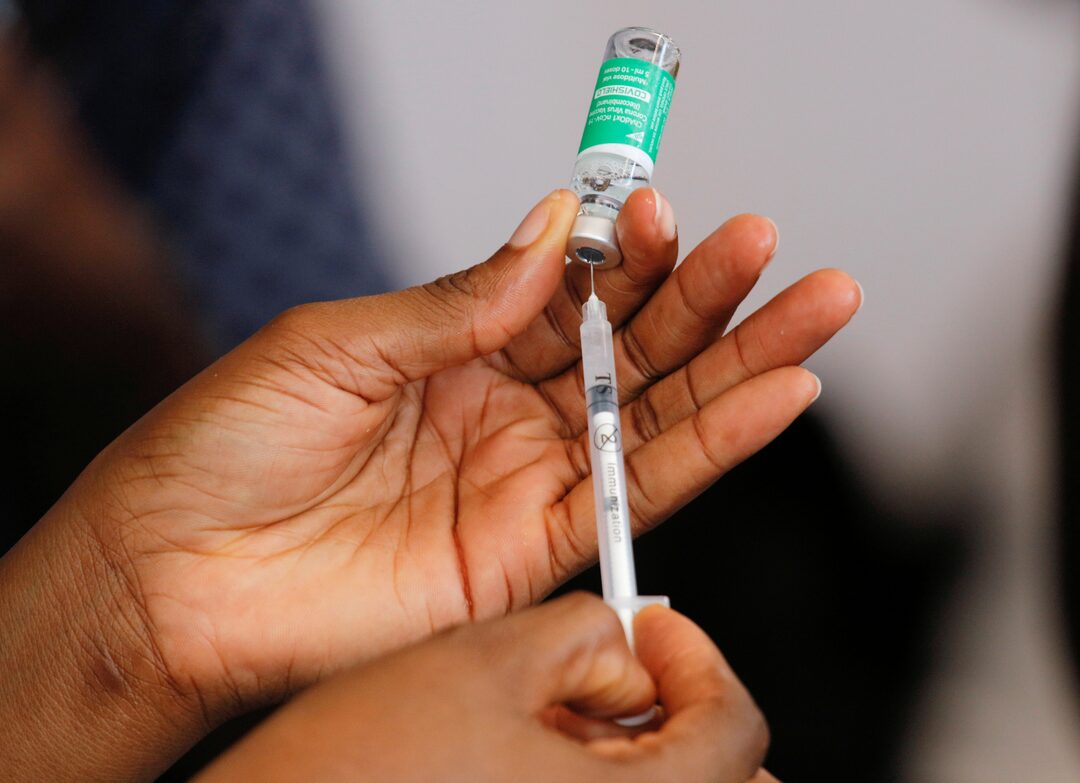
Many respondents indicated that seeing Ghanaian scientists and local factories involved in vaccine manufacturing would significantly increase their confidence in Ghana-made vaccines.
However, the research identified potential challenges that could affect vaccine uptake, including the cost of vaccines, long distances to vaccination centres, and concerns over storage and transportation systems, especially in rural communities where cold-chain infrastructure remains weak.
Nonetheless, the National Vaccine Institute said it would work with stakeholders to strengthen vaccine storage and transportation systems to maintain public trust throughout the rollout process.
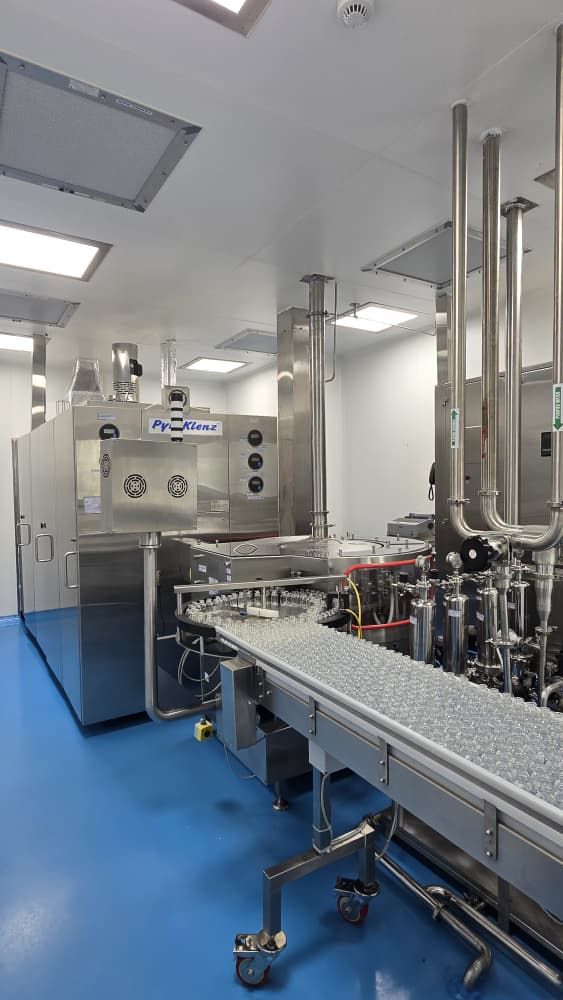
As part of preparations toward local vaccine production, the Institute also announced plans to launch a nationwide awareness and acceptance campaign to educate citizens on locally manufactured vaccines, counter misinformation, and build public confidence.
The campaign, according to the Institute is expected to involve government agencies, development partners, healthcare professionals, civil society organisations, community leaders, the private sector and the media.
Touching on the significance of the findings, Dr. Sodzi Sodzi-Tettey in the statement indicated that Ghana already possesses a strong foundation of vaccine confidence but must urgently bridge the awareness gap surrounding locally manufactured vaccines.
“Ghana has a strong foundation of vaccine confidence, but success depends on bridging the awareness and trust gap for locally manufactured vaccines. What is needed now is targeted policy and communication strategies to address misinformation, cost barriers, and regional disparities in order to encourage uptake,” he said.
He therefore commended the Ghana Health Service, the Food and Drugs Authority and the World Health Organization for their continuous support to the Institute.
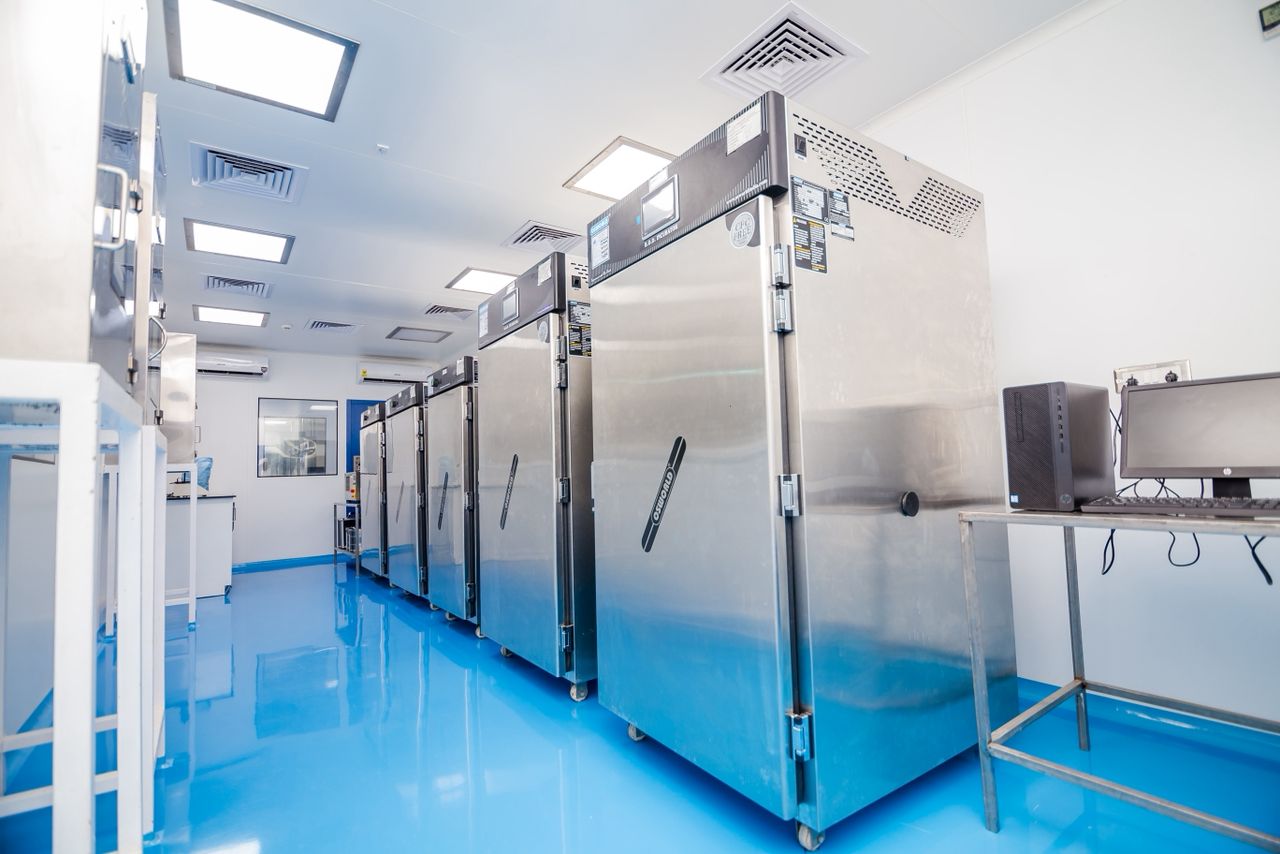
The survey comes at a critical moment as Ghana positions itself toward vaccine self-sufficiency and pharmaceutical innovation, with locally manufactured vaccines expected to be launched in 2027.
The initiative also aligns with the African Union’s Partnerships for African Vaccine Manufacturing agenda, which seeks to ensure that at least 60 percent of vaccines used in Africa are produced locally by 2040.
Stakeholders believed the findings send a strong signal that Ghana is not only preparing to secure its health future but also taking bold steps toward scientific advancement, industrial growth and economic resilience on the African continent.
Source: Felix NYAABA// expressnewsghana.com