
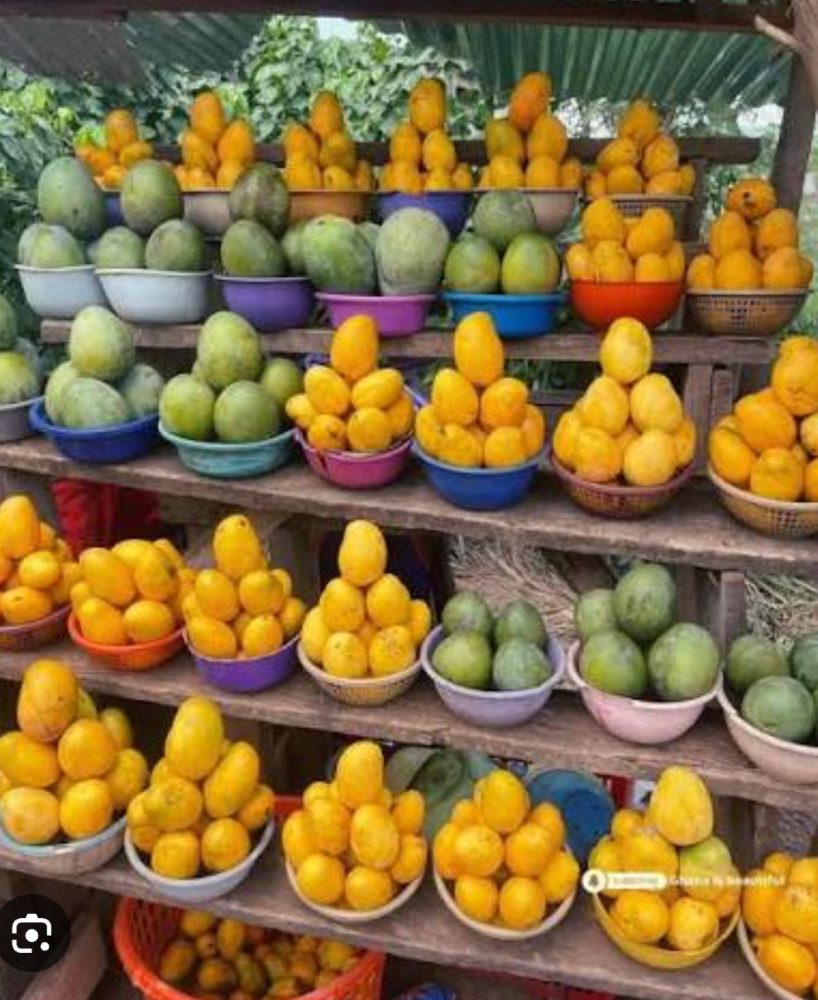
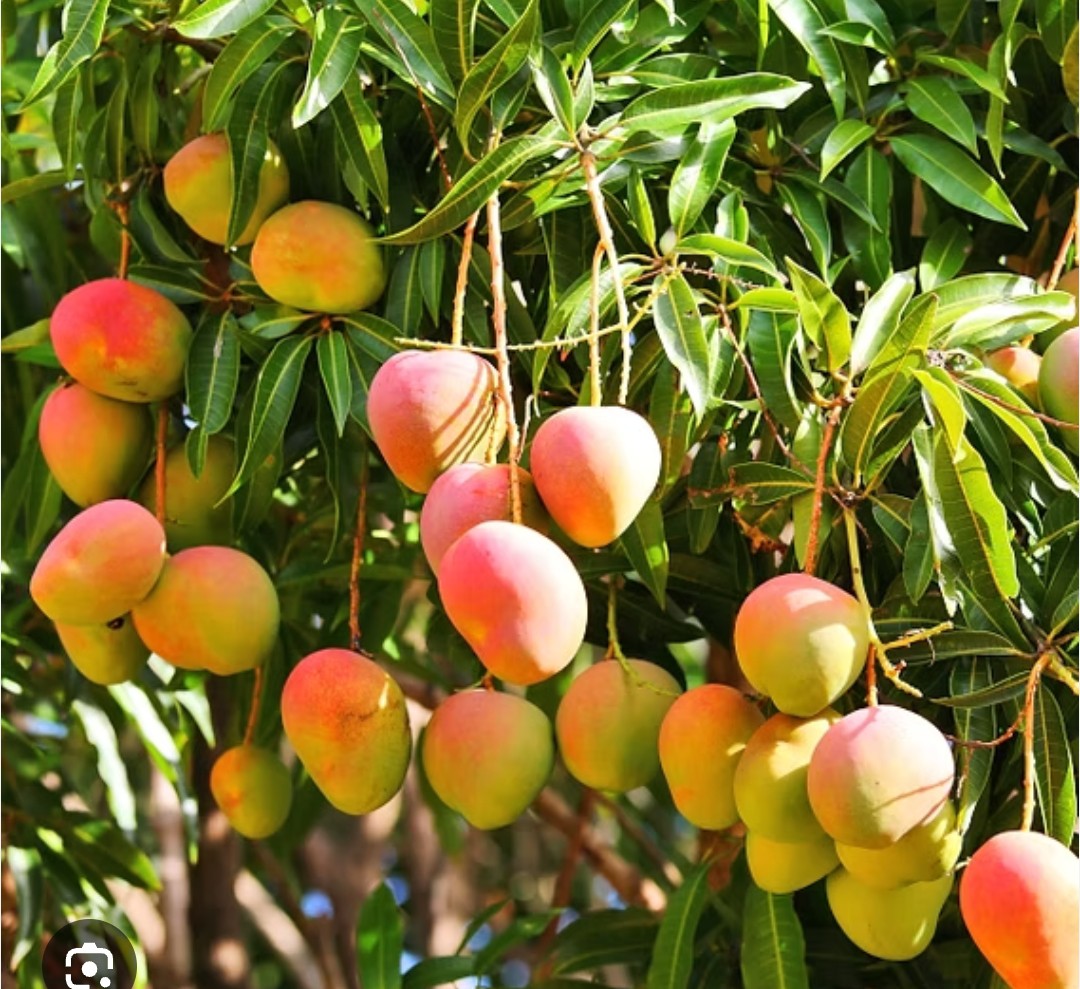
As mango season reaches its peak across many parts of Ghana, the fruit has become a common feature in homes, schools, markets, and along roadsides, with children frequently seen climbing trees to pick ripe mangoes or consuming fruits that have fallen to the ground.
An investigation by ExpressNewsGhana indicates that although mangoes remain one of the most nutritious fruits available, the way they are handled and consumed during the season may expose the public, especially children, to avoidable health risks.
During observations carried out by the ExpressNewsGhana team, it was noted that mangoes are often eaten immediately after being plucked from trees without washing, while others are picked from the ground and consumed on the spot.
In addition, mangoes displayed in open markets and roadside stalls are frequently exposed to dust, flies, repeated human handling, and other environmental contaminants before reaching consumers.
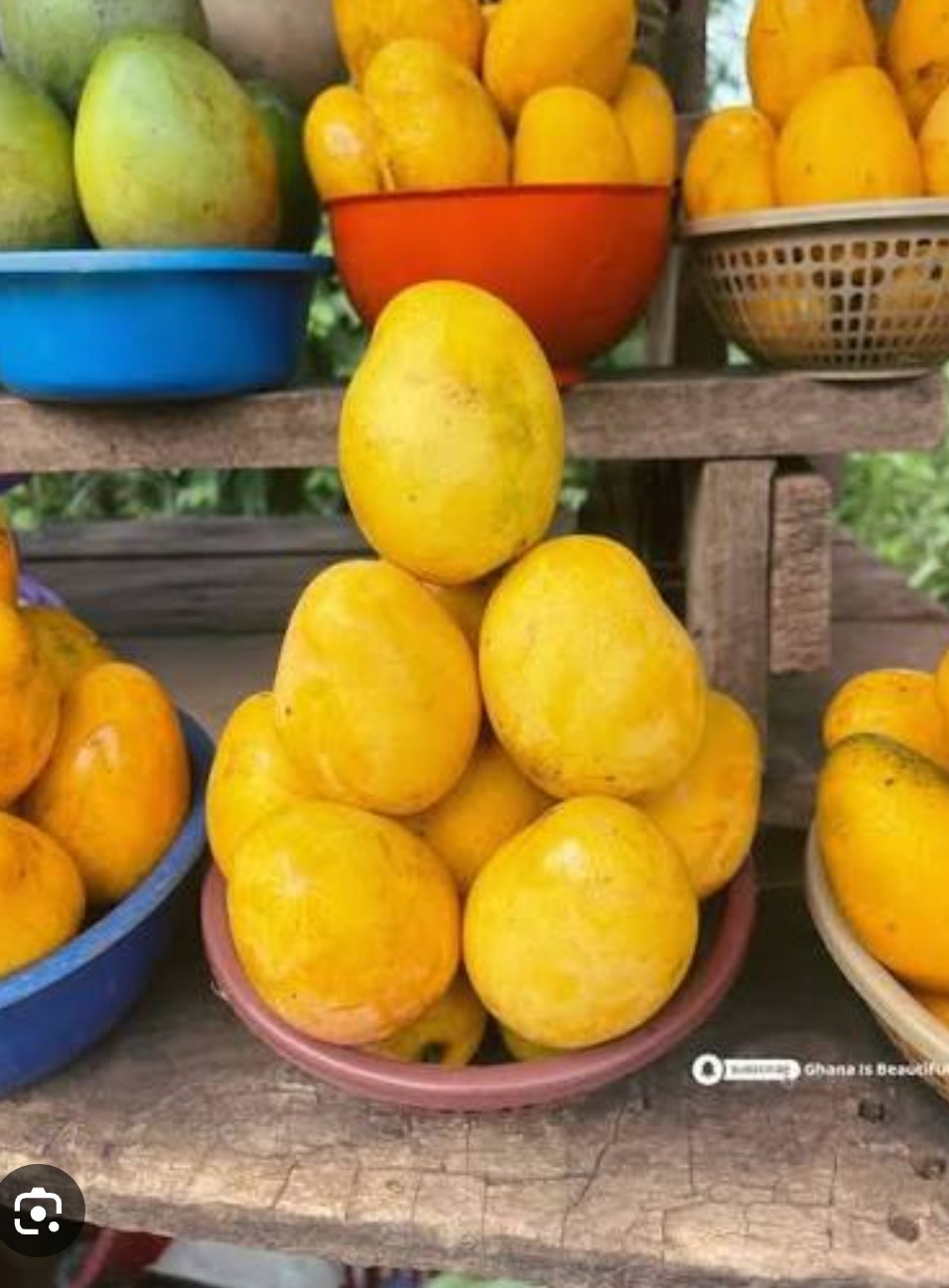
While these practices are widely accepted in many communities, health experts caution that they increase the risk of contamination when proper hygiene is not observed.
Speaking to ExpressNewsGhana, Public Health Nutrition Expert Mr Curtice Dumevor, affiliated with a public health institution in Ghana, explained that mangoes themselves are not responsible for disease outbreaks often associated with the season.
According to him, mangoes are highly nutritious and provide essential vitamins and nutrients necessary for good health, however the concern arises when the fruit becomes contaminated through poor handling practices before consumption.

He stressed that it is not the mango that poses a threat, but rather what may be deposited on its surface before it is eaten.
He further explained that contamination can occur in several ways, including exposure to dust, flies, dirty hands, animal waste, or when fruits fall onto the ground and are eaten without washing.
In communities where sanitation remains a challenge, flies may also transfer microorganisms from contaminated environments onto fruits, thereby increasing the risk of exposure to harmful organisms.
When such contaminated mangoes are consumed without proper washing, individuals may unknowingly ingest disease-causing microorganisms.
According to him, this can lead to faeco oral diseases such as diarrhoeal diseases, typhoid fever, cholera, dysentery, hepatitis A, and intestinal worm infestations, with children being particularly vulnerable due to their tendency to eat fruits immediately after picking them without observing proper hygiene practices.
He noted that in many cases, the risk is not associated with the fruit itself but with the absence of basic preventive measures such as washing.
Mr Dumevor therefore emphasized that prevention is simple and largely dependent on personal and household hygiene practices.
He explained that mangoes should always be thoroughly washed before consumption, preferably with clean water, while hands should also be washed with soap and clean water before handling or eating fruits.
He further cautioned against eating fruits that have fallen on the ground without proper washing, noting that such practices significantly increase the risk of contamination.
Ultimately, health experts maintain that mangoes remain one of the healthiest natural fruits and should not be avoided during the season.
Instead, attention should be focused on safe handling practices that preserve their nutritional benefits while reducing health risks.
As mango season continues across the country, the message from public health experts remains clear: the mango itself is not the problem, but improper handling is what creates the risk, and with simple hygiene practices, the fruit can be safely enjoyed by all.
Source: expressnewsghana.com