
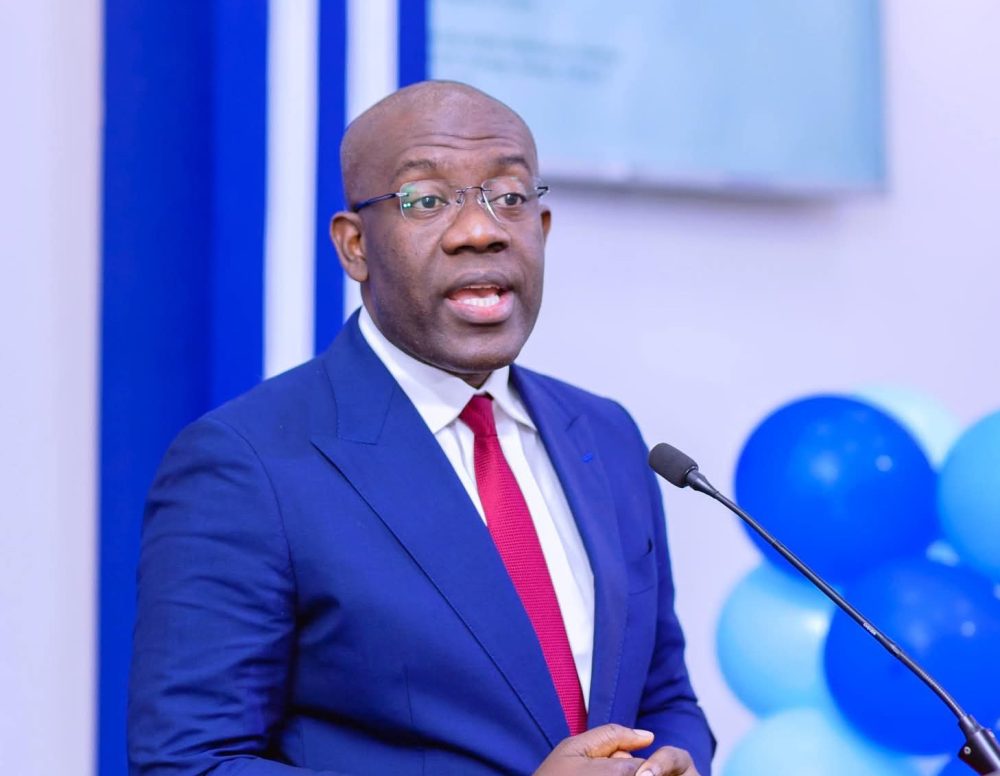
The Member of Parliament for Ofoase-Ayirebi, Kojo Oppong Nkrumah, has accused the government of not doing enough to address Ghana’s worsening youth unemployment crisis, warning that existing interventions are failing to create jobs at the scale needed to absorb the growing number of unemployed young people.
Delivering a statement on the floor of Parliament, the former Information Minister cited recent data from the Ghana Statistical Service (GSS), which shows that youth unemployment continues to rise despite several employment initiatives rolled out by the government.
According to him, unemployment among young people aged between 15 and 24 increased from 32 percent in December 2024 to 32.5 percent by the third quarter of 2025.
He noted that the situation is particularly dire in the Greater Accra Region, where youth unemployment has reached 49.3 percent.
“Nearly one in every two young people in our capital region is unemployed,” Oppong Nkrumah told Parliament.
The lawmaker revealed that seven out of every ten unemployed persons in Ghana are under the age of 35, underscoring the disproportionate burden young people continue to bear in the labour market.
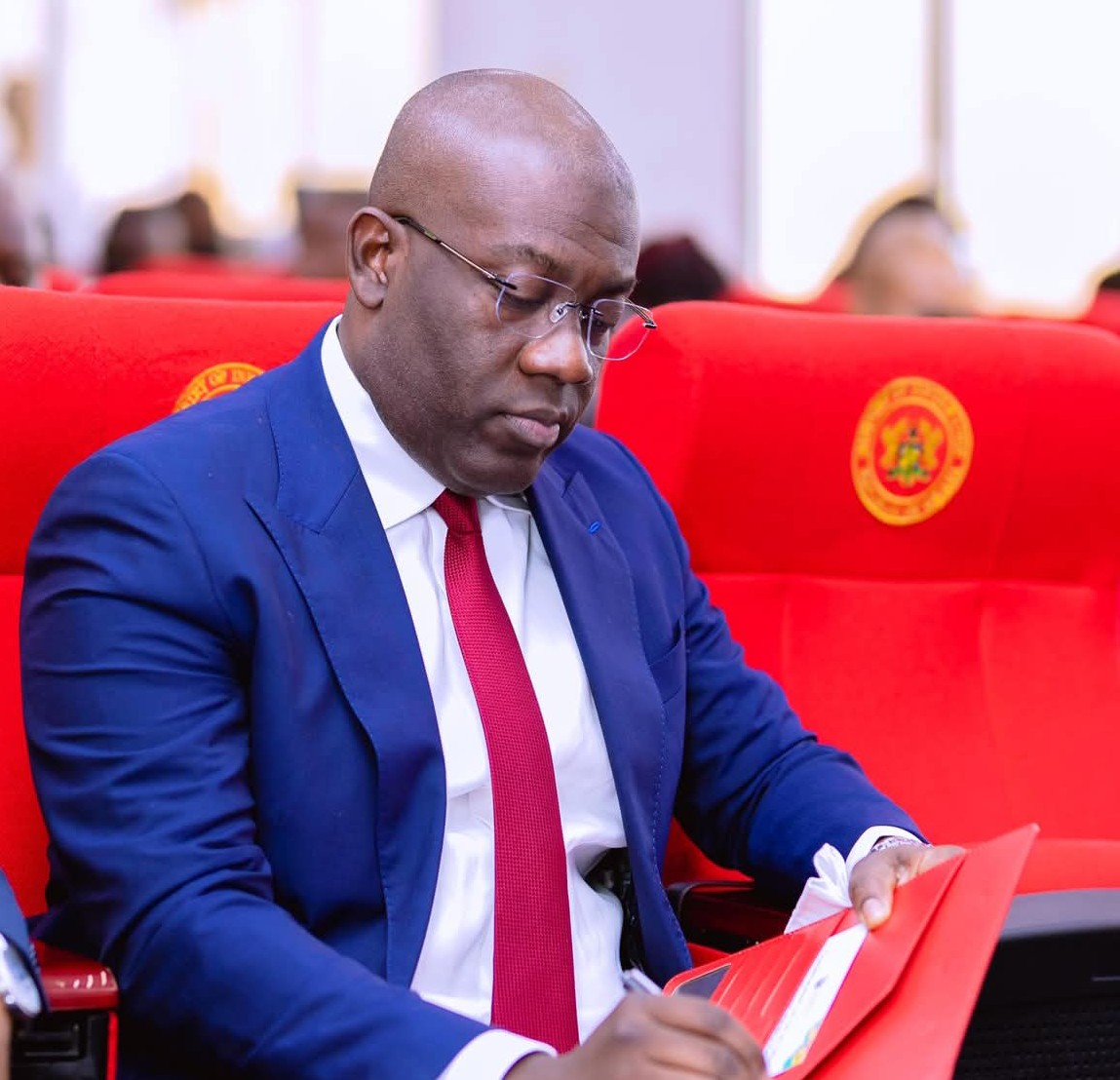
He further disclosed that approximately 1.34 million young people aged between 15 and 24 are classified as Not in Education, Employment or Training (NEET) by the GSS.
Applying the broader definition of youth under Ghana’s National Youth Policy, which extends to age 35, the figure rises to nearly 1.95 million.
“Nearly two million young Ghanaians are neither earning nor learning,” he lamented.
While acknowledging that successive governments, including the previous New Patriotic Party (NPP) administration, had struggled to fully resolve the unemployment challenge, Oppong Nkrumah questioned whether the current government’s flagship employment programmes were delivering the expected results.
He cited initiatives such as the 24-Hour Economy policy, the One Million Coders Programme, the Adwumawura Programme, and the government’s promise to create 250,000 jobs annually, insisting that their outcomes require closer scrutiny.
Although he commended the overwhelming public interest in the One Million Coders Programme, which reportedly attracted more than 90,000 applications within 48 hours, he noted that implementation bottlenecks had slowed progress.
He also pointed out that only 475 entrepreneurs had reportedly received grants under the Adwumawura Programme nearly a year after its launch, despite a target of supporting 10,000 businesses annually.
Oppong Nkrumah also referenced the tragic Ghana Armed Forces recruitment exercise at El-Wak Stadium in November 2025, where thousands of young people competed for limited opportunities.
“Six died in the stampede and five others were admitted to intensive care while competing for only 2,000 slots. We have a labour market crisis which is getting worse,” he stressed.
The MP urged policymakers to move beyond political rhetoric and focus on practical measures capable of generating sustainable employment opportunities for young people.
“Ghanaian youth do not want slogans. They want feasible programmes that create dignified, productive and well-paid jobs,” he stated.
Warning of the economic and social consequences of prolonged youth unemployment, Oppong Nkrumah called for urgent and decisive action to reverse the trend.
“The data is clear. The youth unemployment problem is getting worse. The time to act is now,” he concluded.
Source: Felix Nyaaba | ExpressNewsGhana.com