
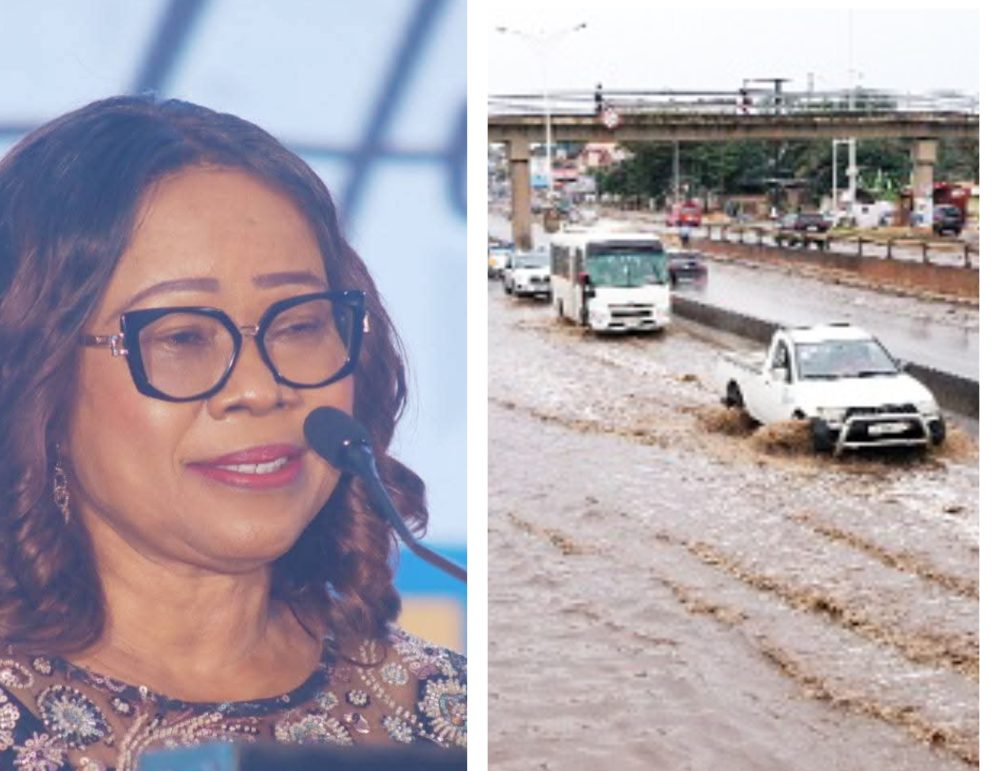
The African Women Leaders Network (AWLN) Ghana Chapter has expressed profound sympathy to victims of the recent floods that have ravaged parts of the country, calling for urgent action to support affected communities and strengthen Ghana’s resilience against climate-related disasters.
The organisation said it shares in the grief of families who have lost loved ones, following the floods that have claimed at least 12 lives while leaving many others displaced, injured, and struggling with the destruction of homes, businesses, and livelihoods.
In a statement signed by its Chairperson, Dr. Charity Binka, AWLN Ghana described the disaster as a painful reminder of the country’s vulnerability to climate change and inadequate disaster preparedness.
“We are deeply saddened by the devastating impact of the floods on households, businesses, schools, and communities. Our thoughts and prayers are with the families who have lost loved ones, those recovering from injuries, and the thousands of people who have been forced to leave their homes and face uncertainty in the aftermath of this disaster,” Dr. Binka stated.
The organisation stressed that the floods should not be viewed merely as a natural disaster but as a wake-up call for authorities and citizens alike to confront the underlying factors that continue to worsen the impact of such emergencies.
According to AWLN Ghana, climate change, poor urban planning, weak enforcement of environmental regulations, and inadequate disaster preparedness remain significant threats to sustainable development.
The network also highlighted the disproportionate impact of flooding on women and other vulnerable groups, noting that women, children, older persons, and persons living with disabilities often face the greatest hardships during and after disasters.
AWLN Ghana observed that many women have lost their homes, businesses, sources of income, and their ability to provide for their families, particularly those operating small enterprises that sustain household livelihoods.
“Women often bear the greatest burden during disasters. Many have lost not only their homes and businesses but also the means to support their families. Their recovery requires targeted assistance and sustained support,” the statement said.
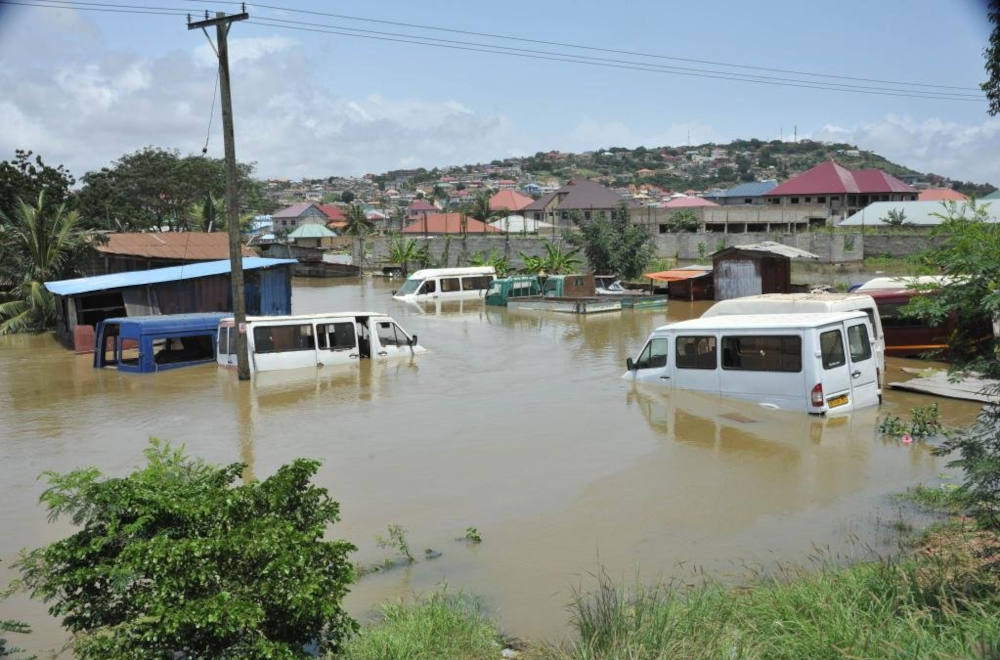
The organisation appealed to government institutions, development partners, civil society organisations, the private sector, and the general public to work together in delivering coordinated relief and long-term recovery support to affected communities.
AWLN Ghana further urged the nation to seize the moment as an opportunity to strengthen disaster preparedness through improved drainage infrastructure, sustainable urban planning, stronger environmental protection, better waste management, expanded climate education, and greater community preparedness.
The network also called for dedicated recovery programmes for women whose businesses and livelihoods have been destroyed, while advocating for the meaningful inclusion of women in climate action, disaster risk reduction, and recovery planning.
“As an initiative of the African Union and the United Nations committed to advancing women’s leadership and sustainable development, we believe women must be part of the solution to the climate challenges confronting our communities. Their experiences, knowledge, and leadership are essential to building safer and more resilient societies,” Dr. Binka emphasized.
AWLN Ghana however called on Ghanaians to demonstrate compassion and solidarity with flood victims, expressing confidence that collective action can help rebuild stronger communities and create a more resilient future for the country.
Source: Felix NYAABA//expressnewsghana.com