
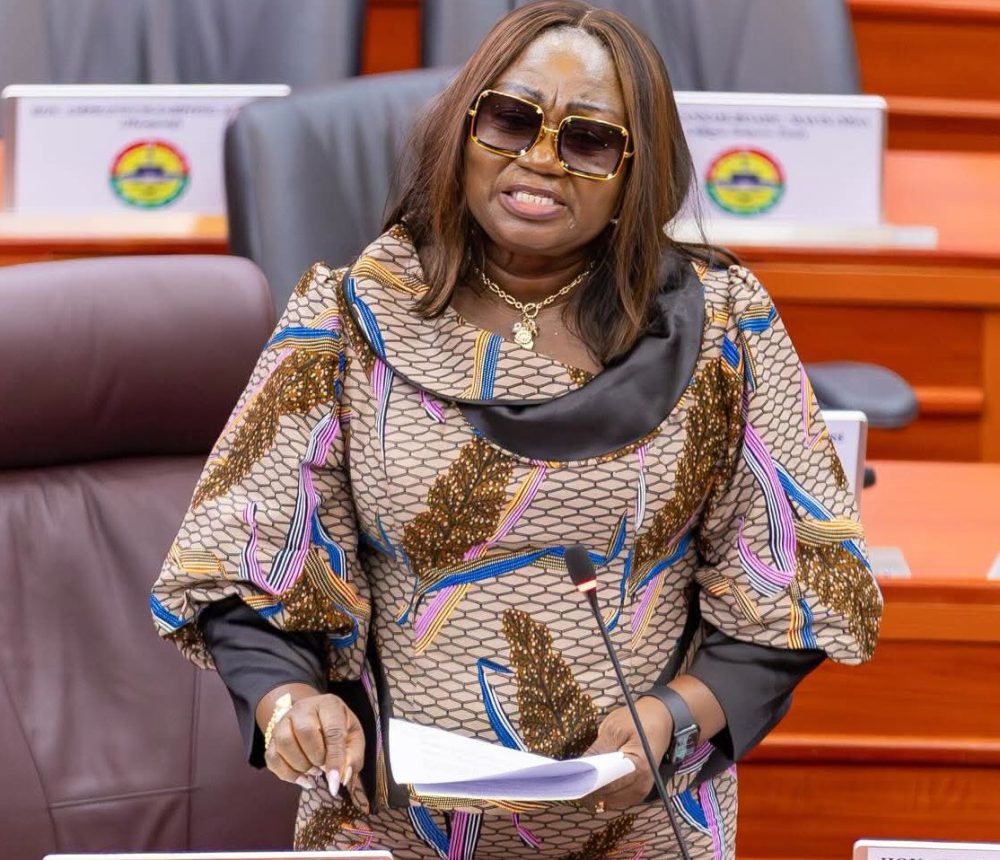
Chairperson of the Parliamentary Caucus on Population and Development, Hon. Patricia Appiagyei, has called for urgent and sustained investment in Ghana’s young population, describing the country’s youthful demographic as a once-in-a-generation opportunity to accelerate economic growth and national development.
Delivering a statement in Parliament to mark World Population Day 2026, the Deputy Minority Leader said Ghana’s future prosperity would largely depend on building a healthy, skilled and empowered generation of young people capable of driving innovation, productivity and national transformation.
She noted that nearly 12 million Ghanaians, representing about one-third of the country’s population, are between the ages of 15 and 35, making youth development a national priority.
“Ghana stands at a critical point in its demographic transition. The choices we make today will determine whether we fully harness our demographic dividend or miss a once-in-a-generation opportunity,” she told the House.
Hon. Appiagyei observed that Ghana’s population has grown from 30.8 million, as recorded in the 2021 Population and Housing Census, to an estimated 34.4 million, presenting significant opportunities if the right investments are made in human capital.
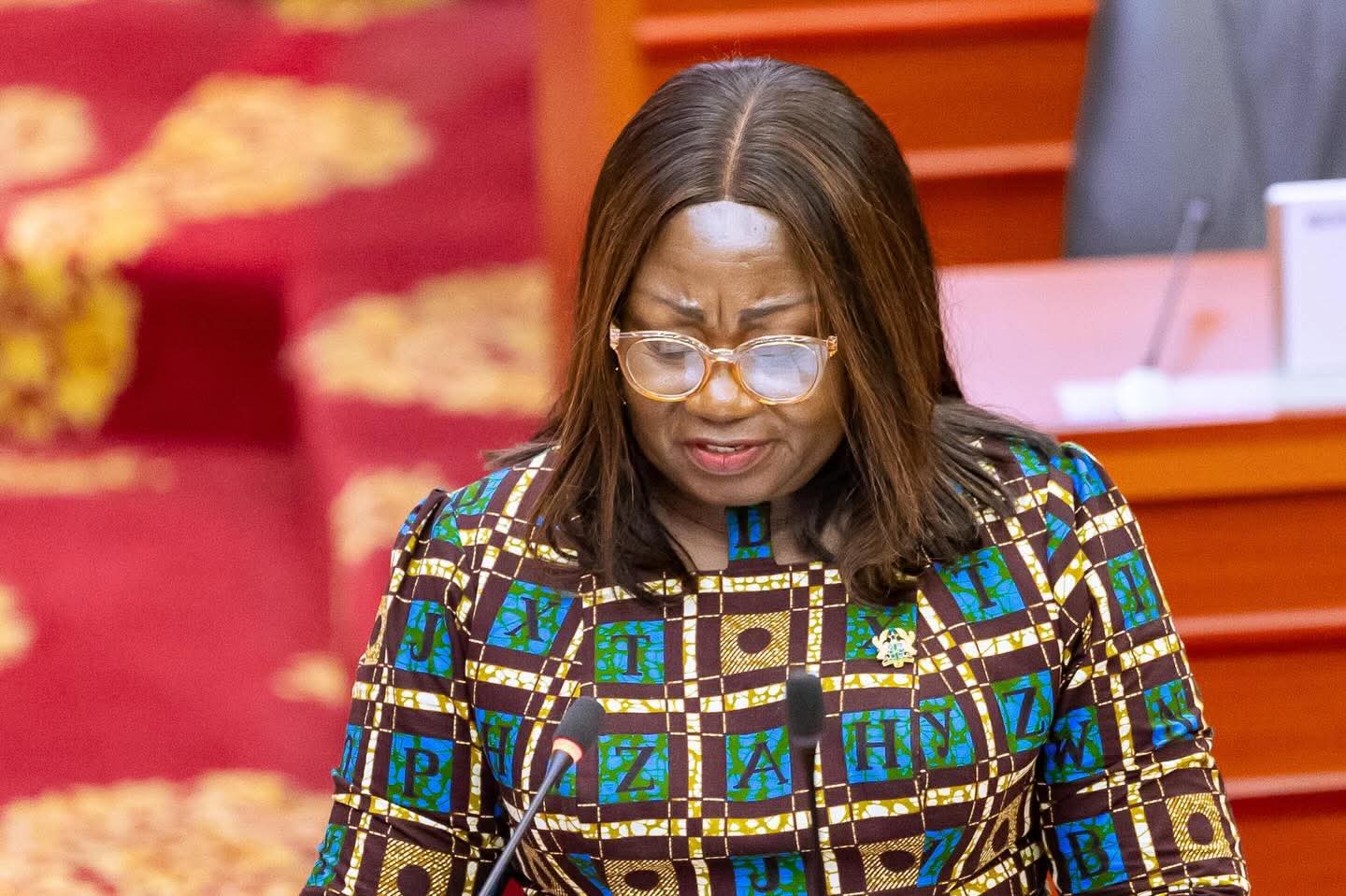
This year’s World Population Day, observed globally on July 11, was celebrated under the theme, “Realizing the Hopes and Aspirations of Young People: Today and for the Future,” while Ghana adopted the national theme, “Investing in Ghana’s Future through Healthy, Skilled and Empowered Young People.”
While acknowledging progress in youth development, the legislator expressed concern over persistent challenges confronting young people, including unemployment, inadequate skills, limited access to finance, adolescent pregnancy, mental health issues and widening digital inequalities.
Citing Ghana’s 2025 labour statistics, she revealed that one in every four young people aged between 15 and 35 is not in education, employment or training (NEET), warning that the situation poses a serious threat to the country’s socio-economic development.
She also referenced findings from the 2022 Ghana Demographic and Health Survey, which showed that 15.2 per cent of girls aged between 15 and 19 have ever been pregnant, stressing the need for stronger investments in adolescent reproductive health and family planning services.
Hon. Appiagyei appealed to Parliament, government, development partners, the private sector and civil society organisations to deepen collaboration in expanding opportunities for young people through quality education, technical and digital skills development, entrepreneurship, healthcare, innovation and stronger social protection systems.
“Every investment in education, healthcare, nutrition, technical and vocational skills, digital innovation, entrepreneurship and decent employment strengthens Ghana’s human capital,” she stated.
She emphasised that strategic investments made today would yield long-term economic and social benefits, enabling Ghana to fully capitalise on its youthful population.
Calling for a united national effort, Hon. Appiagyei urged all stakeholders to work together to build a Ghana where every young person is healthy, educated, skilled and empowered to contribute meaningfully to national development.
“We must commit ourselves to creating a future where every young Ghanaian has the opportunity to realise their full potential and contribute to building a prosperous nation,” she said.
Source: Felix NYAABA/ expressnewsghana.com