
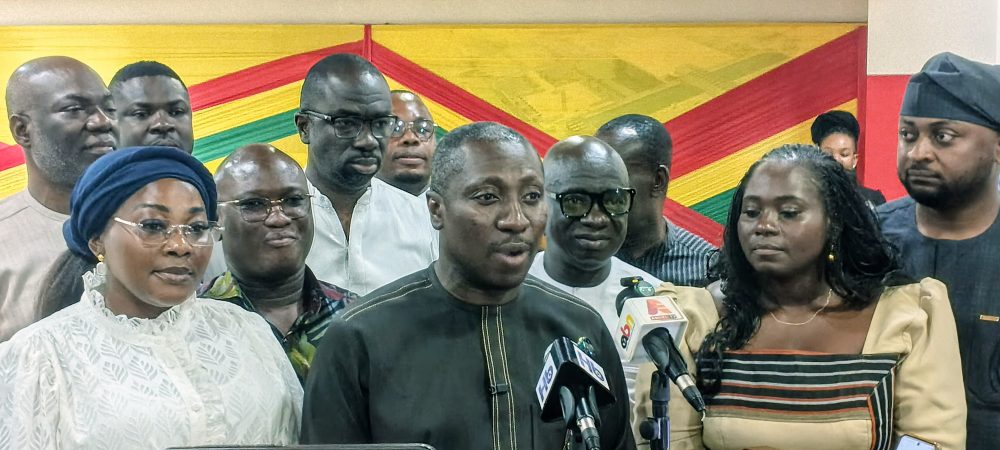
The Minority Caucus in Parliament has staged a dramatic walkout in protest against the consideration of the Tribunal Bill, 2026, describing the proposed legislation as a threat to Ghana’s justice system.
They warned that the Bill in it’s form could revive what they called the “dark days” of the PNDC-era tribunals.
Led by Minority Leader Osahen Alexander Kwamina Afenyo-Markin, the caucus abandoned proceedings after accusing the Majority of refusing to accommodate concerns raised during deliberations on the Bill.
The Tribunal Bill, 2026, currently before Parliament, seeks to establish a legal framework for the operation of tribunals as provided for under the 1992 Constitution.
The government argues the legislation is intended to give effect to constitutional provisions relating to tribunals and provide an additional adjudicatory mechanism for specific categories of cases.
However, the Minority insists the Bill, particularly Clause 4, creates what it describes as a parallel judicial system that undermines the independence and integrity of Ghana’s established courts.
A vote by Head Counts was however taken where the Minority loss the votes with 17 against the Majority 135 of all members present in the chamber.
But addressing Members of the Parliamentary Press Corps, after the walkout, Mr. Afenyo-Markin argued that although the Constitution makes provision for tribunals, those provisions must be interpreted alongside Articles 125, 126 and 127, which establish and protect the country’s judicial system.
“It is true that mention is made of the tribunal system in our Constitution, but that context must be interpreted within the broader scope of Articles 125, 126 and 127. We already have a judicial system—from the District Court to the Supreme Court. If there are challenges with the system, the solution is to reform it, resource it, equip it and retool it, not create a parallel adjudicating body,” he said.
He criticized the composition of the proposed tribunals under Clause 4, which provides for a panel chaired by a legally qualified person and two other members who need not be lawyers.
According to him, allowing non-lawyers to adjudicate criminal matters raises serious concerns about fairness and due process.
The Minority Leader referenced a criminal appeal previously argued by Attorney-General Dr. Dominic Ayine while he was in private legal practice, saying the Attorney-General himself had once emphasized the importance of judges ensuring that prosecution evidence proves every essential element of an offence before a conviction is secured.
“A judge sitting in a criminal trial must ensure that prosecution-led evidence of probative value proves all the essential ingredients of the offence. Justice is not about media headlines or public perception. What we are seeing is an attempt to create a system where people could effectively be pronounced guilty before their cases are fairly determined,” he stated.
Mr. Afenyo-Markin further claimed that the proposed legislation lacks sufficient procedural safeguards to guarantee fair trials and warned that it could be used to target political opponents.
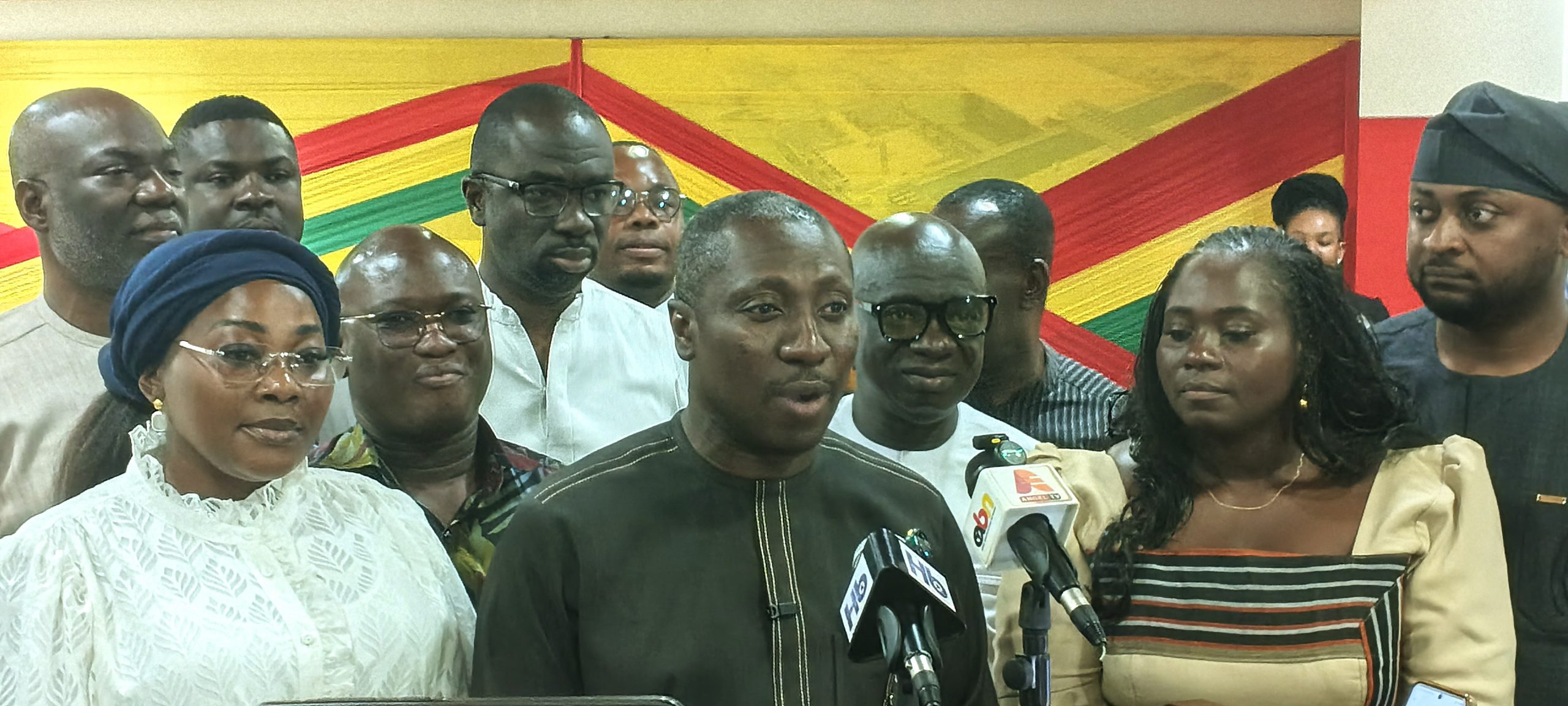
Drawing parallels with Ghana’s military era, he said memories of the PNDC tribunal system—during which, according to him, individuals were persecuted and properties confiscated—remain fresh.
“Tribunal system—we know what happened during the PNDC era where people were targeted and assets were seized. We do not need to return to that chapter of our history,” he contended.
He also cited opposition from organised labour, pointing out that labour groups have publicly expressed reservations about the Bill and joined calls for the government to abandon the proposal.
The Minority Leader accused the Majority Leader of refusing to engage in further dialogue on the legislation, alleging that the Majority relied solely on its numerical strength to force the Bill through Parliament.
“We believe Parliament should always provide room for discussion and consensus. But once the Majority Leader made it clear that regardless of our concerns they would use their numbers to pass the Bill, there was no point remaining in the chamber,” he said.
Mr. Afenyo-Markin further alleged that the Majority temporarily suspended proceedings earlier in the day to mobilise more of its members before resuming debate.
He questioned whether the House had the required numbers during the voting process and challenged the media to independently verify the attendance figures.
The Tribunal Bill, 2026, is expected to remain one of the most contentious pieces of legislation before the Ninth Parliament, with both the Majority and Minority deeply divided over its implications for Ghana’s judicial system and constitutional democracy.
Source: Felix NYAABA/ expressnewsghana.com