

The Speaker of Ghana’s Parliament, Rt. Hon. Alban Kingsford Sumana Bagbin, has reaffirmed the country unwavering commitment to the ideals and progress of the Economic Community of West African States (ECOWAS), stressing the need for stronger regional cooperation to improve the lives of citizens.
He said Ghana remained committed to strengthening the democratic and institutional foundations of ECOWAS and ensuring that regional integration translated into practical benefits for the people of West Africa.
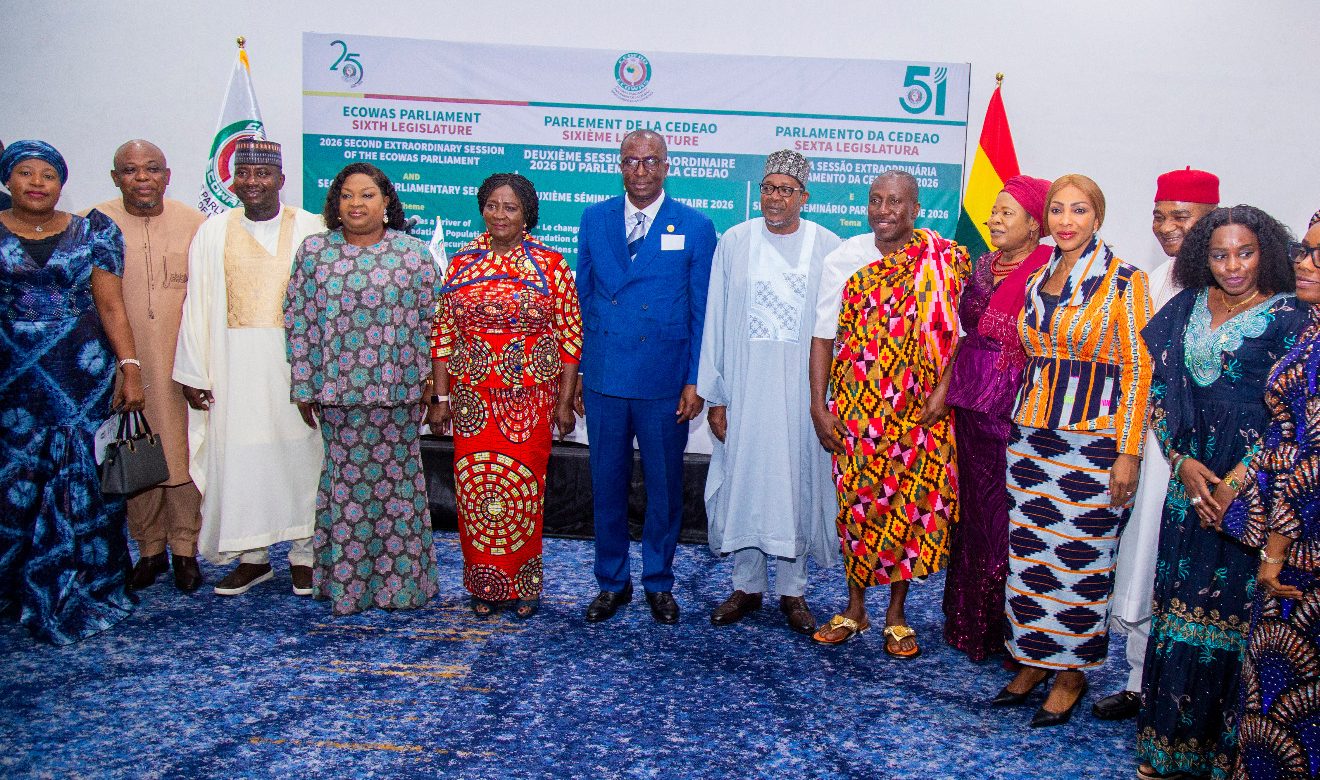
Rt. Hon. Bagbin committed in a speech read on his behalf by the Second Deputy Speaker of Parliament, Hon. Andrew Amoako Asiamah, at the opening of the ECOWAS Parliament’s Second Parliamentary Seminar and Second Extraordinary Session for 2026 in Accra.
The three-day parliamentary seminar is being held under the theme, “Climate Change, Environmental Degradation, Population Displacement and Growing Insecurity in the ECOWAS Region.”
The programme has brought together members of the ECOWAS Parliament, national parliamentarians and other stakeholders to deliberate on the interconnected challenges confronting the sub-region and identify practical regional responses.
According to Speaker Bagbin, the Parliament of Ghana attaches immense importance to its relationship with the ECOWAS Parliament, stressing that national and regional legislatures have a shared responsibility to ensure that integration delivers tangible benefits to citizens.
“The Parliament of Ghana attaches immense importance to its relationship with the ECOWAS Parliament,” he said.
“As the democratic institutions closest to the people, both share a responsibility to ensure that regional integration translates into practical benefits for the citizens we represent.”
Climate Crisis Threatens Regional Stability
Speaker Bagbin described the theme of the seminar as timely, given the growing impact of climate change and environmental degradation across West Africa.
He said changing weather patterns, intensified flooding and droughts, pressure on natural resources, deforestation, pollution and unsustainable exploitation were increasingly undermining livelihoods and weakening the resilience of communities.
He singled out illegal small-scale mining, popularly known as galamsey, as one of the major environmental threats facing the sub-region, citing its impact on water bodies, forests, soil, biodiversity, public health and livelihoods.
According to him, the environmental crisis must be treated as an economic and human security issue rather than merely an ecological concern.
He said climate change was intensifying competition over scarce resources, while environmental degradation was contributing to migration and exposing displaced and vulnerable populations to exploitation and trafficking.
“These realities call on us to be proactive, investing in preventive capacity and resilience-building rather than merely reacting to crises,” Speaker Bagbin said.
Parliamentarians Must Reflect Citizens’ Concerns
Ghana’s Speaker said parliamentarians occupied a critical position between governments and the people and must ensure that the experiences of affected communities inform legislative decisions.
He said lawmakers regularly encountered farmers whose lands had become less productive, communities affected by floods and droughts, displaced persons seeking safety and young people facing unemployment and vulnerability to criminal networks.
“These experiences must inform our legislative choices,” he stressed.
Speaker Bagbin called for stronger legislation and regional cooperation in environmental governance, climate adaptation, disaster preparedness and natural-resource management.
He also advocated greater protection for displaced persons, refugees and host communities, while urging governments to place young people and women at the centre of responses to climate and security challenges.
He identified climate-smart agriculture, renewable energy and entrepreneurship as areas that could create opportunities for young people while strengthening the region’s resilience.
‘No Country Can Face These Challenges Alone’
Speaker Bagbin stressed that the scale and cross-border nature of the challenges confronting West Africa made regional cooperation indispensable.
“No single Member State can address these challenges alone,” he said.
He noted that rivers cross national boundaries, ecosystems do not recognise political borders and environmental crimes often operate across jurisdictions, making coordinated regional action essential.
He also warned that effective policies would remain aspirational without adequate financing.
“Good policies without resources remain aspirational,” he said, calling for greater investment in sustainable development, climate adaptation, peace and security.
While acknowledging the role of development partners, Speaker Bagbin urged ECOWAS member states to strengthen their own capacity to finance regional priorities.
ECOWAS Parliament Opens 2027 Budget Deliberations
The Speaker said the Second Parliamentary Seminar and Second Extraordinary Session offered an important opportunity for lawmakers to examine the challenges from a regional perspective and develop practical solutions.
The seminar is examining the links between climate change, environmental degradation, population displacement and insecurity, while discussions are expected to consider issues including disaster preparedness, climate resilience, environmental governance, natural-resource management and regional cooperation.
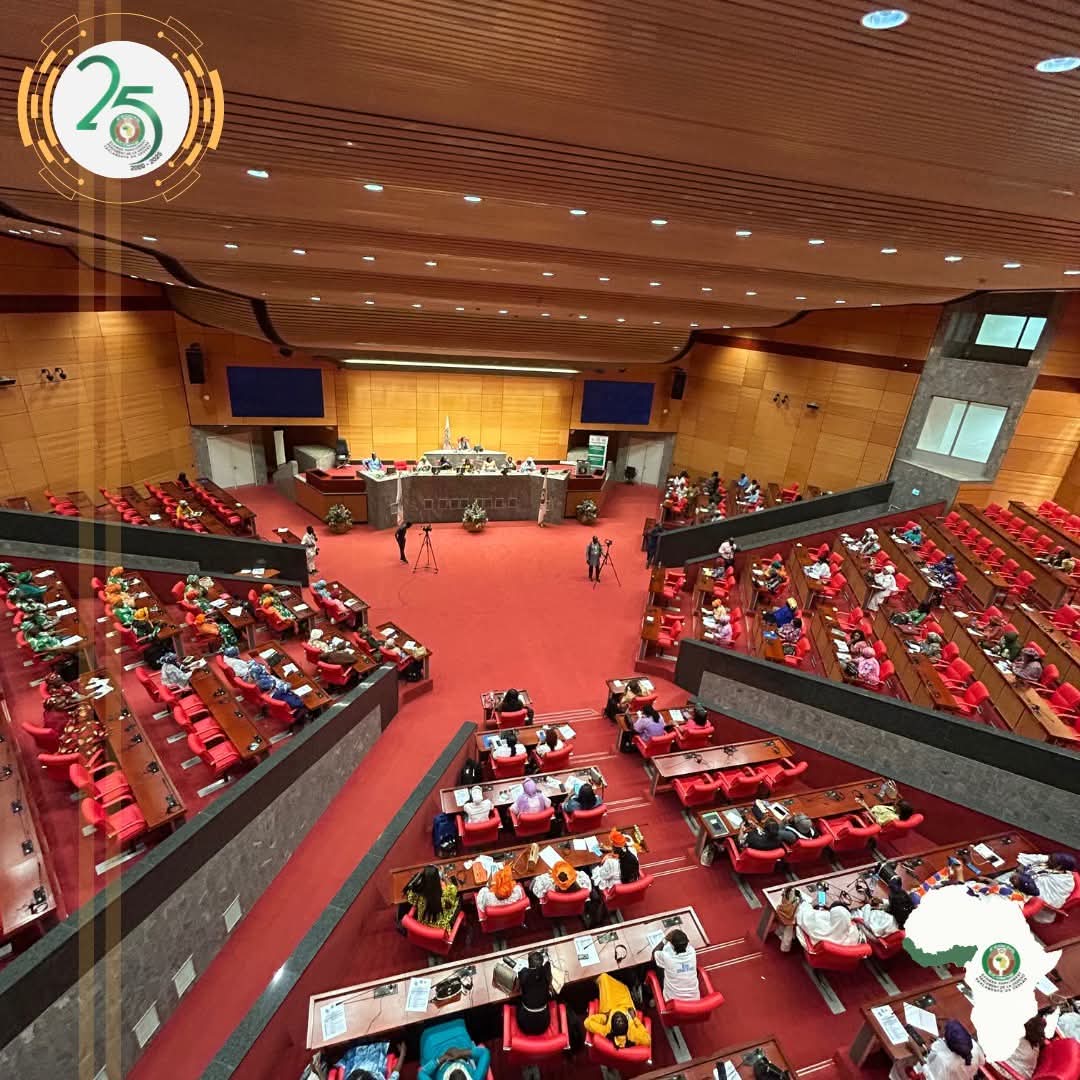
Following the seminar, the Second Extraordinary Session of the ECOWAS Parliament will provide members with an opportunity to deliberate on key matters affecting the Community, including consideration of the ECOWAS Parliament’s 2027 budget and other institutional and regional issues.
Speaker Bagbin urged members to approach the deliberations with openness and a strong commitment to finding practical solutions to the challenges facing the sub-region.
He said the difficulties confronting West Africa also presented opportunities to build a climate-resilient and sustainable regional economy capable of generating jobs, strengthening cooperation and improving livelihoods.
“Our region possesses enormous human and natural resources; what is required is the political will and regional solidarity to harness them sustainably,” he said.
Ghana Backs Direct Election of ECOWAS MPs
Speaker Bagbin further reaffirmed Ghana’s support for the progressive realisation of the direct election of Members of the ECOWAS Parliament, describing it as essential to strengthening the democratic legitimacy of the regional legislature and deepening citizens’ ownership of the integration process.
He said the future of ECOWAS integration must be anchored in stronger democratic participation by citizens.
“As we progress through the Seminar and Extraordinary Session, let us embrace a spirit of regional solidarity, deliberate with courage, act with urgency, and cooperate with purpose,” he urged.
“Ghana remains firmly committed to the ideals of ECOWAS and to the work of the ECOWAS Parliament.”
He expressed appreciation to the leadership and members of the ECOWAS Parliament, the ECOWAS Commission and other stakeholders whose efforts made the Accra programme possible.
He also expressed the hope that the deliberations would contribute to building a more peaceful, resilient and prosperous West Africa.
Source: Felix Nyaaba/expressnewsghana.com


