
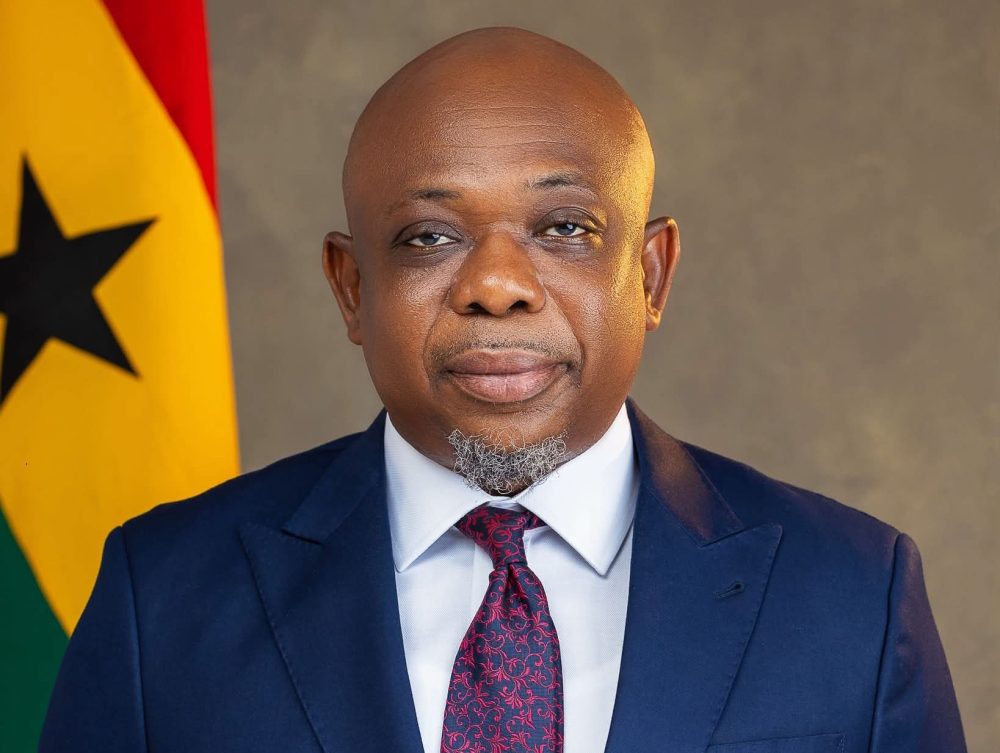
Ghana’s Majority Leader and Member of Parliament for Builsa North, James Agalga, has called for renewed global and national commitment to protecting human rights, warning that wars, climate change, technological disruption and growing political polarisation are placing fundamental rights under increasing pressure.
Mr Agalga made the observation as he led Ghana’s Parliamentary Delegation to the 63rd Session of the United Nations Human Rights Council in Geneva, Switzerland, which has focused broadly on Economic, Social and Cultural Rights and emerging challenges confronting the global human rights system.
Reflecting on the session, the Majority Leader said the discussions had reinforced the need for governments and parliaments to make human rights a central component of national development.
“As our work at the 63rd Session of the United Nations Human Rights Council in Geneva comes to a close, I have returned with renewed commitment and perspective,” he said.
According to him, the session demonstrated that the world is facing an unprecedented convergence of crises, with millions of people affected by armed conflicts, climate change, economic hardship and technological developments.
“Human rights are under pressure,” Mr Agalga stated, citing the opening remarks of the UN High Commissioner for Human Rights, Volker Türk, who described the current period as “an age of extremes” characterised by raging wars, painful polarisation, climate chaos and rapid technological change.
Mr Agalga noted that the reported increase in armed conflicts globally underscored the urgent need for stronger international cooperation to protect civilians and uphold fundamental freedoms.
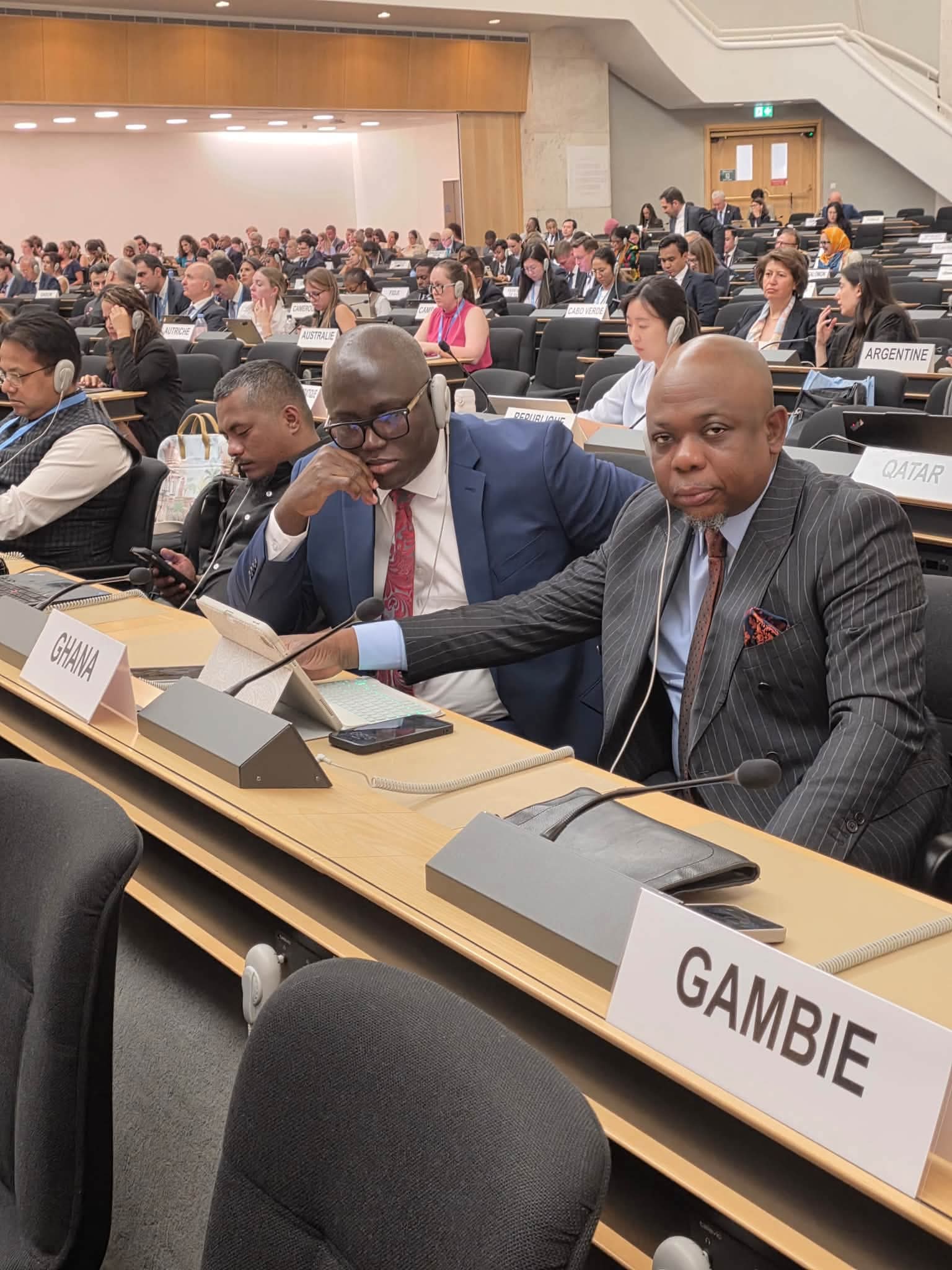
He said the Council’s discussions also reaffirmed that Economic, Social and Cultural Rights— including the rights to work, education, healthcare, housing, food security, clean water and a dignified life—are inseparable from civil and political rights.
“The Council reaffirmed that human rights are universal and indivisible. Without access to jobs, food security, clean water and quality education, civil and political rights cannot be fully enjoyed,” he said.
He stressed that the issue was particularly important to Africa and communities such as Builsa North, where access to employment, education, healthcare and climate-resilient livelihoods remains critical to improving living standards.
The Majority Leader further described climate change as a major human rights concern, pointing to its growing impact on livelihoods, food security and displacement.
“Climate change is a human rights crisis,” he said, adding that the effects of environmental degradation must be addressed not only as an ecological challenge but also as an issue affecting people’s fundamental rights and livelihoods.
Mr Agalga also drew attention to the growing influence of technology and social media on democracy and civic participation, calling for stronger safeguards against disinformation, abuse of artificial intelligence and the shrinking of civic space.
He said increasing political polarisation and social media echo chambers posed new challenges to democratic governance and the protection of human rights.
The session, he noted, also highlighted the important role of Parliaments in translating international human rights commitments into enforceable national laws and policies.
About 35 resolutions were negotiated, covering country situations and thematic issues.
The session emphasised the crucial role of Parliaments in domesticating international human rights obligations into national laws,” Mr Agalga said.
He expressed pride in leading Ghana’s Parliamentary Delegation and reaffirmed Ghana’s commitment to maintaining its reputation as a country that respects democracy and human rights.
“Ghana continues to be respected as a beacon of democracy and human rights. We will continue to strengthen our legislative frameworks to ensure every Ghanaian enjoys their full rights,” he said.
Mr Agalga expressed appreciation to the Parliament of Ghana and the Ministry of Foreign Affairs for supporting the delegation’s participation in the international human rights forum.
The 63rd Session of the UN Human Rights Council provided an opportunity for member states, parliamentarians and other stakeholders to deliberate on pressing human rights concerns and explore measures to strengthen the protection of fundamental rights at national and international levels.
*Source: Felix Nyaaba/expressnewsghana.com*


