
More than 100 medical doctors have accepted postings to underserved regions across Ghana as part of government’s efforts to address the unequal distribution of health professionals and improve access to healthcare in deprived communities, the Minister of Health, Hon Mintah Akandoh has disclosed.
The Minister said the development represented a significant improvement over the situation in 2024, when only 12 medical doctors accepted postings to eight underserved regions.
According to the Minister, the affected regions include the Upper East, Upper West, Oti and Western North Regions, where shortages of medical doctors remain a major challenge.
“In 2024, only 12 medical doctors accepted postings to eight regions. What it meant was that some of these regions could not even get more than two medical doctors,” the Minister said.
At Health Sector Update Engagement forum in Accra on Wednesday October 7, Mr Akandoh explained that government had deliberately prioritised underserved districts in the deployment of medical doctors in 2025, despite the difficulties associated with working in deprived communities.
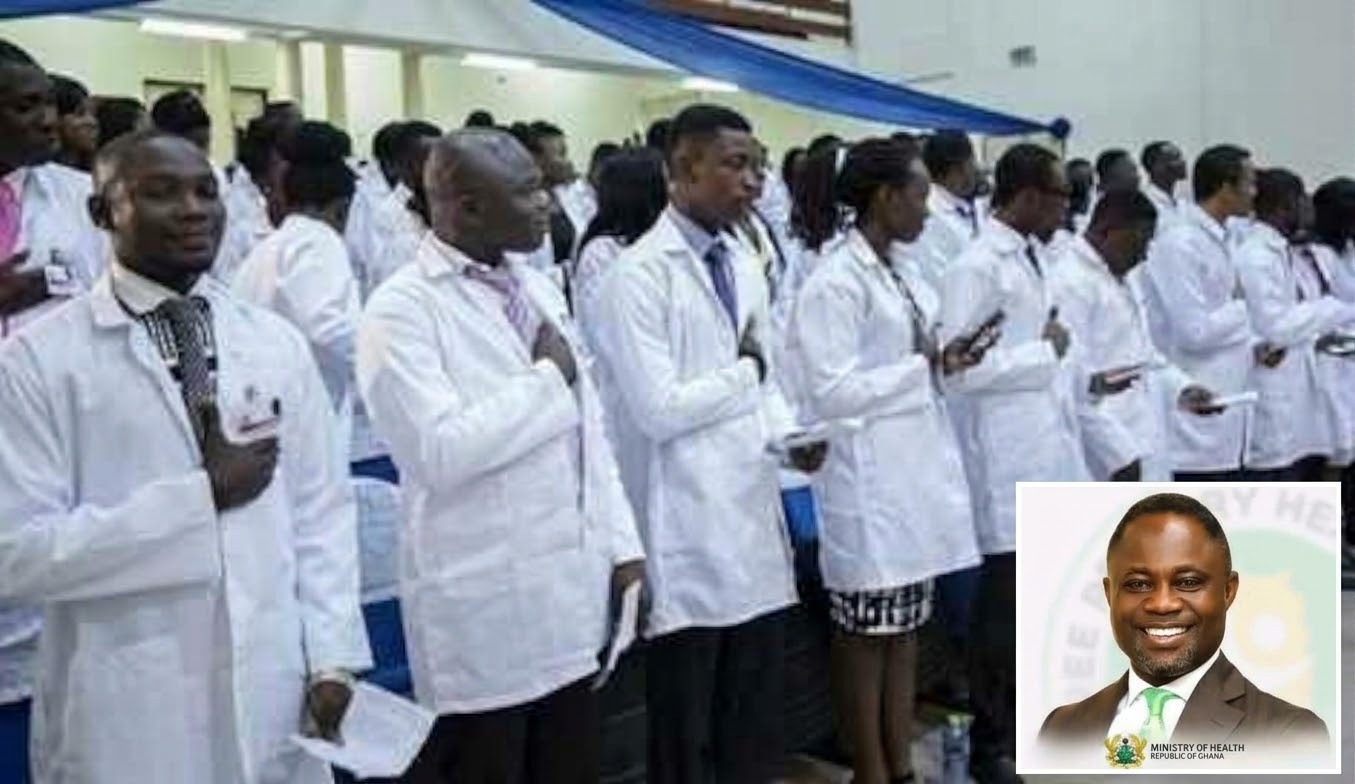
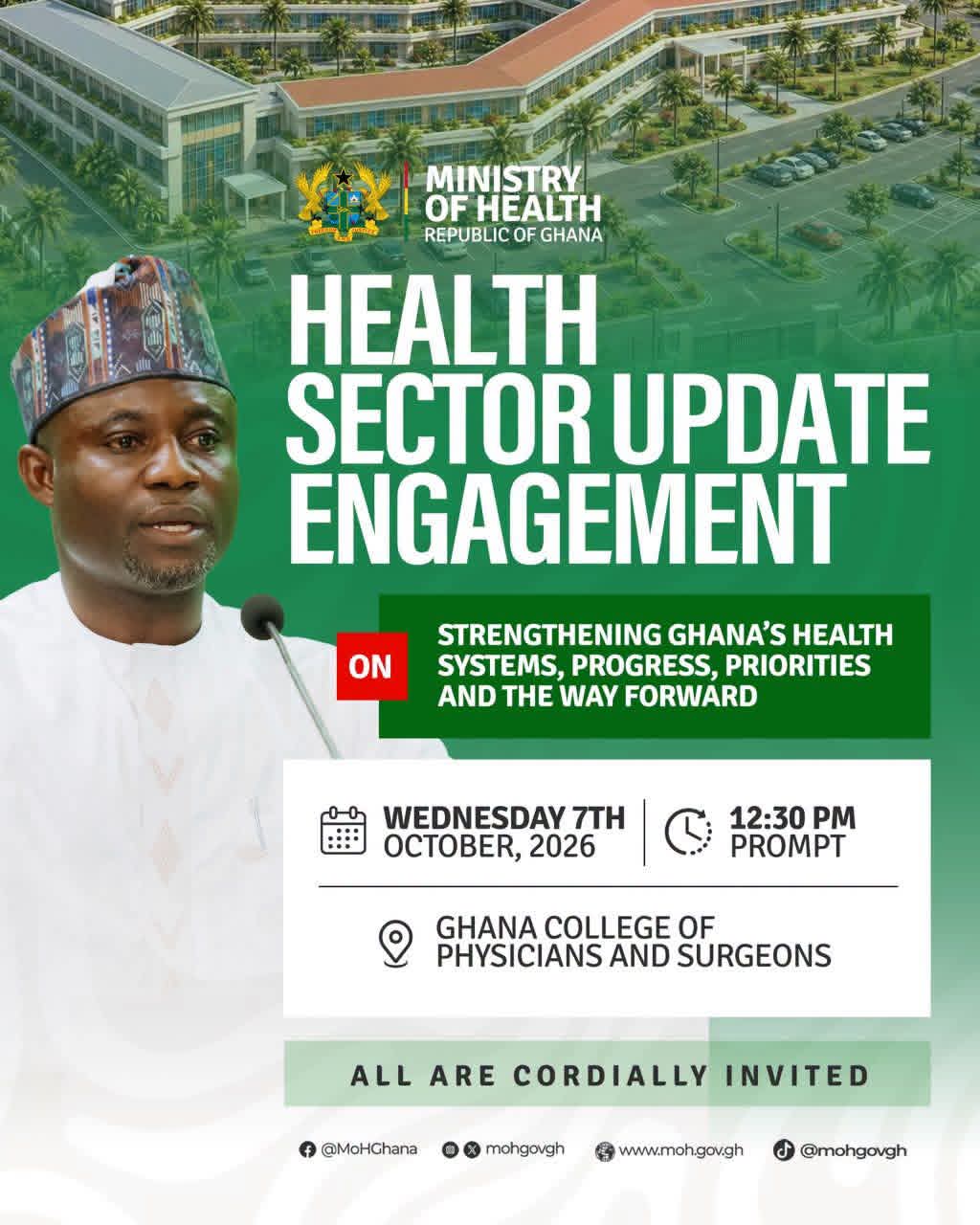
“When we were deploying medical doctors in 2025, we said we wanted to prioritise the underserved districts. Instead of the 12 in 2024, I can speak to you now that we have 100 medical doctors who have accepted postings to these areas,” he stated.
The Minister acknowledged that medical doctors posted to underserved areas face legitimate challenges, particularly accommodation and other logistical difficulties.
“There are legitimate issues, and I agree with them. Issues about accommodation, I agree with them. But let’s be realistic. We cannot say that we have solved all these problems before we deploy them to these areas,” he said.
He stressed that government must address the challenges alongside the deployment of health professionals rather than waiting until all conditions were perfect before sending doctors to communities that urgently need them.
“Once we are deploying them, government must also think about how we solve these problems,” he added.
The Minister further disclosed that government was pursuing a broader strategy to deal with the growing number of trained health professionals who remain unemployed, including controlling admissions into health training institutions, increasing recruitment and facilitating opportunities for Ghanaian health professionals to work abroad.
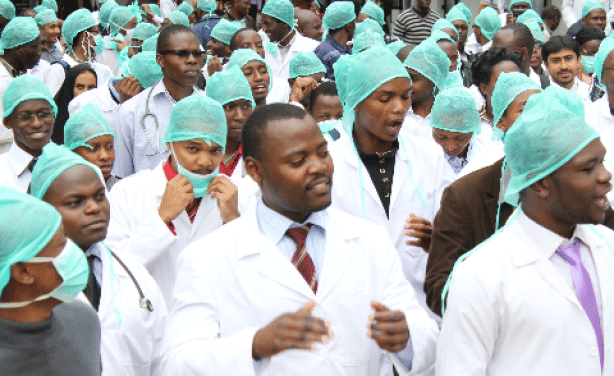
He noted that Ghana admits tens of thousands of students into government health training institutions every year, while the number of health professionals the country is able to recruit annually remains significantly lower.
“We are admitting more than 35,000 from the government hospitals, students or nurses, every year. Last year alone, I am sure they admitted about 40,000. In a second year, we are admitting more than 50,000 students,” he explained.
According to him, the imbalance between admissions and recruitment risks creating an ever-growing backlog of unemployed health professionals.
“We, as a country, are not able to recruit more than 15,000 or 10,000 every year. What it means is that if you are not very careful, you will need more than you came to meet. So the backlog can only increase,” Mr Akandoh cautioned.
The Minister said government was therefore considering reducing admissions and converting some of the resources into recruitment opportunities to create employment for already-trained health professionals.
“What’s the point if the person has been trained and is unemployed?” he asked.
He also disclosed that Ghana had signed about 13 Memoranda of Understanding with other countries to facilitate the movement of Ghanaian health professionals to work abroad.

He said the initiative formed part of the government’s Ghana Labour Exchange Programme, which would enable some professionals to secure employment outside the country while creating fiscal space for the government to recruit additional personnel domestically.
“We are signing MOUs with other countries so that we can facilitate the movement of some of our health professionals to go and work in those countries. We have signed about 13 of them,” he said, citing Colombia as one of the recent agreements.
The Minister maintained that the combination of recruitment, international labour arrangements and a review of admissions would help gradually reduce the backlog of unemployed health professionals while ensuring that critical health facilities, particularly in underserved districts, receive the personnel they need.
He said the government’s ultimate objective was to reach a point where Ghana would have sufficient numbers of health professionals to serve communities across the country, while ensuring that trained professionals do not remain unemployed for prolonged periods.
The Minister also recounted how a philanthropist intervened after he was moved by the difficult conditions confronting medical doctors deployed to underserved areas, particularly the accommodation challenges.
He said such interventions, together with sustained government investment, would be critical to making postings to deprived districts more attractive and ensuring that medical doctors remain at their duty posts.
The Minister’s comments come amid continuing concerns over the uneven distribution of medical doctors in Ghana, with some districts still struggling to secure even a single doctor while urban centres and major hospitals continue to attract a disproportionate share of available medical personnel.
Source: Felix Nyaaba/expressnewsghana.com


