
As diabetes and hypertension threaten the health, livelihoods and productivity of working-age Ghanaians, two personal stories reveal the human cost of chronic illness and the urgent need for early detection, accessible treatment and supportive workplaces.
At an age when many young people are building careers, raising families and pursuing their ambitions, others are confronting illnesses that threaten their health and financial security. For some, a chronic disease diagnosis becomes more than a medical challenge; it becomes a struggle to remain employed, afford treatment and plan for the future.
Trudy Nartey, 45, knows this reality. Diagnosed with diabetes in her twenties, she has experienced how a condition requiring continuing care can reshape a person’s working life.
She previously worked at a private company, where she frequently requested permission to attend medical appointments and receive treatment. According to her account, her employment was eventually terminated because of these repeated requests.
She remained unemployed for almost two years, struggling to afford her medication, before eventually securing employment in the government sector.
Her experience exposes a difficult intersection between healthcare and economic security. When income disappears, the need for medication does not. For workers with chronic conditions, employment can mean more than a monthly salary; it can determine whether continuing treatment remains affordable.
For Kwesi Yeboah Nketiah, 31, the discovery of hypertension came through a frightening medical emergency.
He felt dizzy and collapsed before being rushed to hospital, where he was admitted for several days while his blood pressure was managed. He was diagnosed with hypertension during that admission. Kwesi now takes his medication regularly, although he sometimes worries about having to take drugs throughout his life.
His concern reflects the psychological adjustment that can follow a chronic disease diagnosis, particularly among younger people who may not have anticipated years of treatment.
A growing national concern
The World Health Organisation (WHO) reported that the number of people living with diabetes worldwide rose from 200 million in 1990 to 830 million in 2022. In 2022, approximately 14 per cent of adults aged 18 and older had diabetes.
Hypertension is equally concerning. The WHO estimated that 1.4 billion adults aged 30 to 79 were living with the condition in 2024. Around 44 per cent were unaware they had it, while only about 23 per cent had their blood pressure under control.
Ghana’s figures reinforce the urgency. The 2023 WHO STEPwise Approach to Noncommunicable Disease Risk Factor Surveillance (STEPS) survey found that 21.7 per cent of adults aged 18 to 69 had hypertension, while 5.2 per cent had raised blood glucose. More than half of adults with elevated blood pressure had not previously been diagnosed.
Meanwhile, figures from Ghana’s Ministry of Health, reported by Graphic Online in September 2026, showed 577,374 recorded hypertension cases in 2025, down slightly from 583,720 in 2024. These are reported cases, not a count of everyone living with the condition.
The figures underline the importance of screening. Hypertension can remain undetected because it often causes no obvious symptoms, while elevated blood glucose may also go unnoticed without appropriate testing.
The kidney connection
Reacting to the issue Dr Abdul Wahab Agbeve, Director of Agbeve Hospital at Sowutuom, a suburb of Accra, warned that diabetes and hypertension can undermine workplace productivity, increase healthcare expenditure and impose financial and psychological burdens on patients and their families.
He explained that one of the major health concerns associated with the two conditions is their potential to damage the kidneys. Diabetes can harm the small blood vessels responsible for filtering waste from the blood, while prolonged, uncontrolled hypertension can damage kidney blood vessels and impair their function.
Dr Agbeve noted that, over time, these changes may lead to chronic kidney disease and, in severe cases, kidney failure requiring dialysis or transplantation.
He highlighted the financial and occupational implications of these complications, pointing out that frequent hospital visits, specialist treatment and dialysis can consume time and income, disrupt employment and place considerable pressure on household finances.
According to Dr Agbeve, kidney disease may also progress without obvious symptoms in its early stages, making regular medical monitoring particularly important for people living with diabetes or hypertension.
He emphasised that these complications are not inevitable, explaining that early diagnosis, appropriate treatment and regular medical follow-up can help reduce the risks, although outcomes vary from person to person.
When illness affects productivity
The economic consequences of diabetes and hypertension extend beyond hospital bills. Medical appointments, periods of illness and hospital admissions can interrupt work schedules, while serious complications may affect a person’s ability to perform usual duties.
Employers may face staffing pressures and additional costs. Workers, meanwhile, may worry about lost earnings, job security and the long-term affordability of treatment.
Yet chronic illness does not automatically make someone an unproductive employee. With appropriate care and reasonable workplace support, many people living with diabetes or hypertension continue to work effectively.
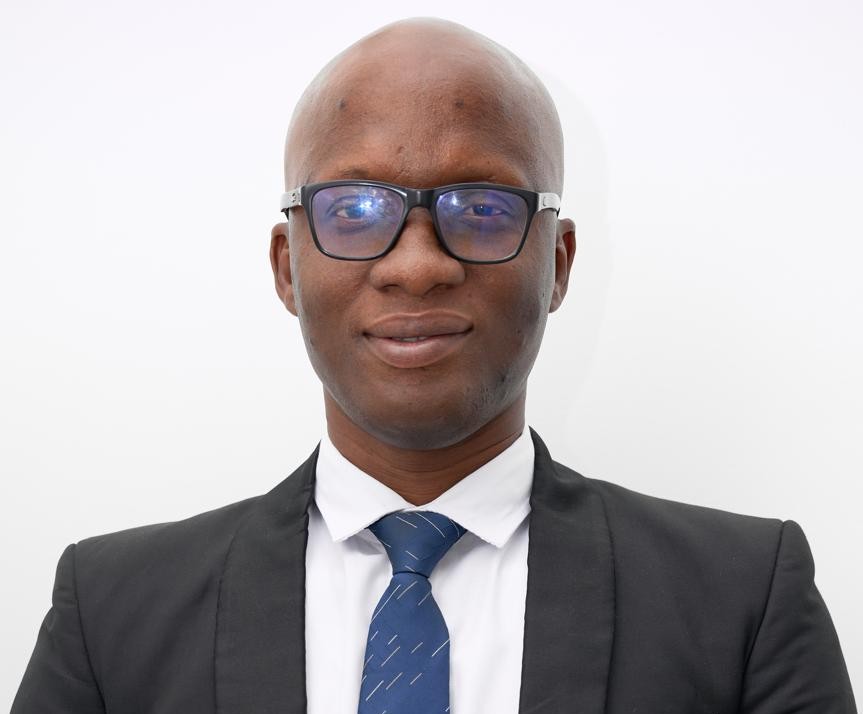
Trudy’s experience highlights the difficulties that can arise when employment arrangements do not accommodate continuing healthcare needs. Kwesi’s concerns demonstrate that managing chronic illness also involves emotional adjustment, not merely taking medication.
Dr Agbeve’s observations highlight the importance of addressing these conditions early, before complications become severe enough to affect a person’s ability to work and maintain financial independence.
For employees, access to medical care and the flexibility to attend appointments can make a significant difference in managing chronic conditions. For employers, supportive workplace policies can help retain experienced workers while reducing avoidable disruptions associated with poorly managed illnesses.
Prevention and shared responsibility
Dr Agbeve emphasised the importance of healthier dietary habits, public awareness and appropriate medical care in reducing the burden of diabetes and hypertension.
Eating a balanced diet, consuming more vegetables, limiting sugary drinks, reducing excessive salt intake and engaging in regular physical activity can help lower certain health risks. However, lifestyle changes cannot prevent every case and must not replace prescribed treatment.
Regular blood pressure checks, appropriate blood glucose testing and kidney assessments when recommended can help identify health problems and guide care. People diagnosed with chronic conditions should follow their healthcare professionals’ advice and consult them before changing medication.
Dr Agbeve stressed that early detection and appropriate management are important in reducing the risk of complications, including kidney damage, and supporting better long-term health outcomes.
Employers also have a role to play. Establishing fair arrangements for medical appointments and leave can help workers manage their health without unnecessarily jeopardising their livelihoods.
Healthcare providers, policymakers and employers must therefore recognise that managing chronic diseases involves more than prescribing medication. It also requires accessible healthcare services, public education, regular monitoring and working environments that allow people to manage their conditions responsibly.
Trudy’s return to employment and Kwesi’s commitment to treatment reveal the importance of looking beyond diagnosis to the circumstances in which people live and work. For Ghana, tackling diabetes and hypertension is not simply a health priority. It is an investment in protecting livelihoods, supporting families and sustaining national productivity.
Source: Raphael Apetorgbor


