
The Wassa Professionals Network (WPN) has called for host communities in the Wassa enclave to receive a 10 per cent free-carried equity stake in mining operations and an additional two per cent of gross mineral sales revenue as part of proposed reforms to the mining sector.
The demand forms part of what the Network describes as the ‘Tarkwa Reset’, a proposed new framework for ownership, governance and benefit-sharing ahead of the anticipated expiry of Gold Fields Ghana Limited’s Tarkwa mining lease in April 2027.
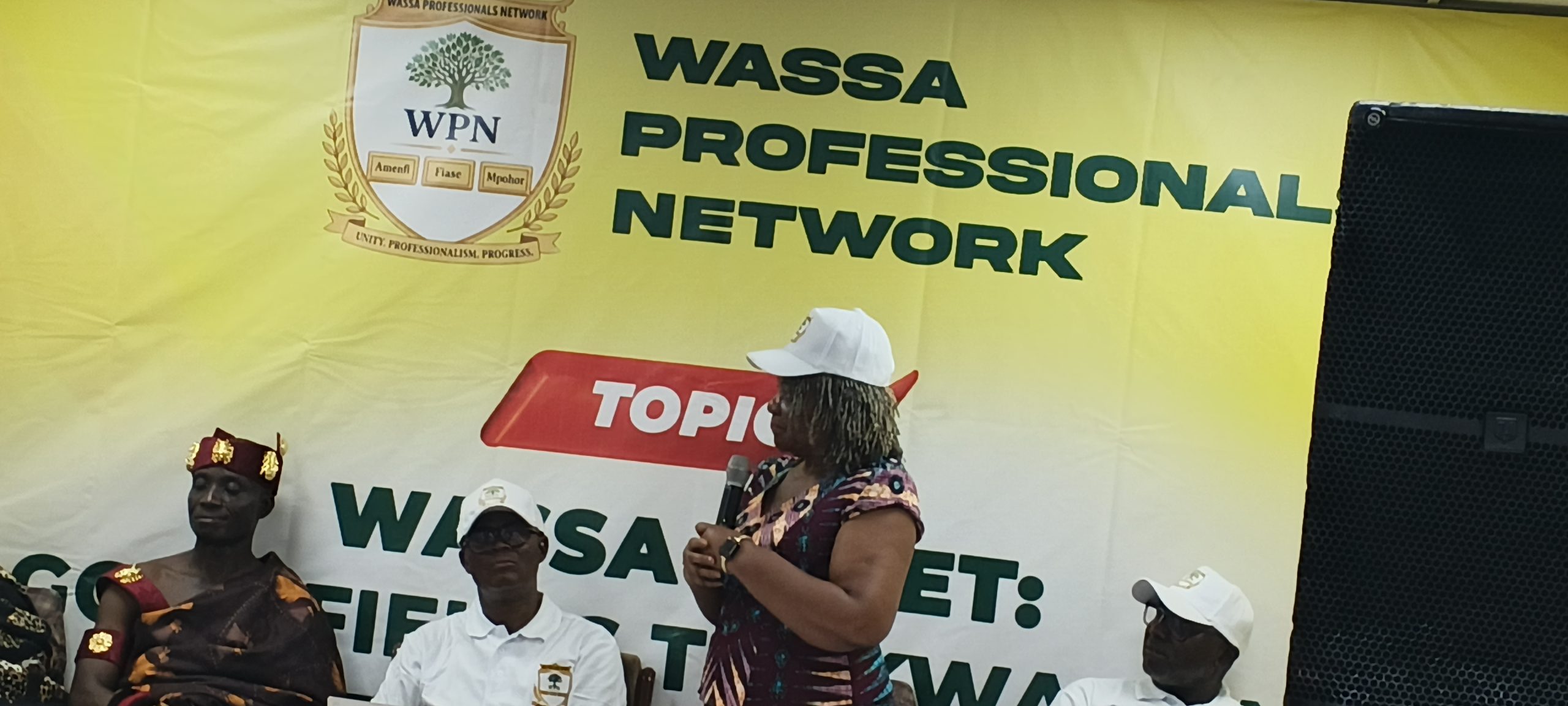
Presenting the Network’s position, its President, Justice Cobbinah, said communities whose ancestral lands host large-scale mining operations must have a direct ownership interest in the mineral wealth extracted from their territories rather than depending largely on employment, compensation, procurement opportunities and corporate social responsibility initiatives.
“We are not opposed to mining; we seek a fairer mining partnership. We are not opposed to investment; we seek investment that creates enduring value for both investors and host communities,” he declared.
Under the proposal, the 10 per cent community equity stake would be held through an accountable Wassa Trust Fund established on behalf of host communities.
The Network insists that the arrangement should carry voting rights and guarantee community representation on the boards of mining companies.
It is also demanding that two per cent of gross mineral sales revenue be paid quarterly into the proposed fund without deductions for operating costs, debts or management fees.
Beyond the financial arrangements, WPN wants formal representation for Wassa communities, including through the Network, in negotiations with government, mining lease transition arrangements and the governance structures of future mining operations in the area.
Justice Cobbinah emphasised that the proposed benefits must be additional to existing statutory royalties, taxes, lawful compensation, environmental restoration obligations and community development commitments.
He argued that while mining companies and government derive substantial financial benefits from mineral extraction, host communities, which provide the land and endure the environmental and social consequences, have no equivalent automatic entitlement to equity ownership.
To support its position, he cited Gold Fields’ November 2025 mineral resources and reserves declaration, which showed that the company’s managed mineral reserves at Tarkwa increased from 4.3 million ounces in 2024 to 7.4 million ounces in 2025.
On an attributable basis, after accounting for the government’s existing 10 per cent free-carried interest, the reserves reportedly increased from approximately 3.8 million to 6.6 million ounces, representing growth of about 70 per cent.
According to him, the figures suggest an estimated mine life of approximately 17 years, with further prospects for expansion through additional mineral resources, underground development and exploration.
He also referenced Gold Fields Ghana’s reported contribution of approximately GH¢5.8 billion in corporate taxes, royalties and dividends to the government in 2025, alongside GH¢8.8 billion in local procurement, including GH¢6.5 billion attributed to suppliers from host communities.
While acknowledging the company’s significant contribution to Ghana’s economy, the Network maintained that such economic benefits do not necessarily translate into direct ownership, decision-making power and lasting prosperity for the communities hosting its operations.
The Network further drew attention to the historical social and environmental costs of mining, including the loss of agricultural lands, displacement of residents, environmental degradation and the disruption of cultural heritage.
It cited research estimating that approximately 4,935 hectares of farmland were lost between 1986 and 2002 across the Tarkwa, Bogoso, Prestea and Damang mining concessions.
It also referred to historical resettlement exercises estimated to have affected between 20,000 and 30,000 people from 1990 to 2008, arguing that the consequences of mining must be reflected in any new framework for distributing mineral wealth.
As part of its broader reform agenda, WPN has proposed a revised ownership structure for mining operations under which investors would hold 60 per cent, government 10 per cent, and host communities 10 per cent through the proposed trust fund, while the remaining 20 per cent would be floated on the Ghana Stock Exchange.
The Network believes the proposed arrangement would preserve majority investor ownership while expanding community participation and creating opportunities for greater domestic investment in the mining industry.
It has consequently called on the government, Parliament, the Minerals Commission, Gold Fields Ghana, traditional authorities and civil society organisations to consider its proposals and initiate consultations ahead of the April 2027 lease expiry.
WPN maintains that the impending lease transition offers Ghana an opportunity to move beyond the conventional mining arrangements and establish a model that recognises host communities as stakeholders and beneficiaries of the country’s mineral wealth.
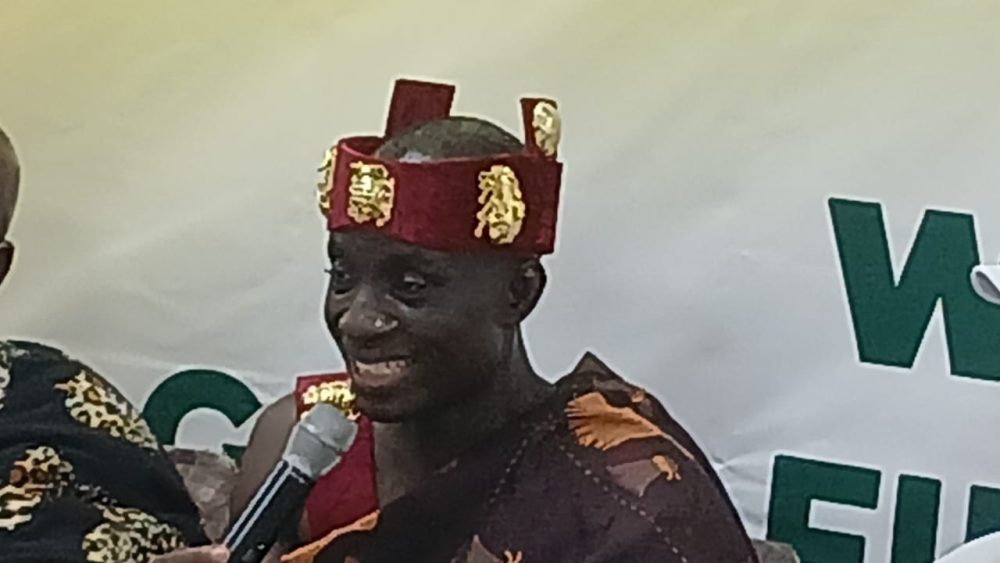
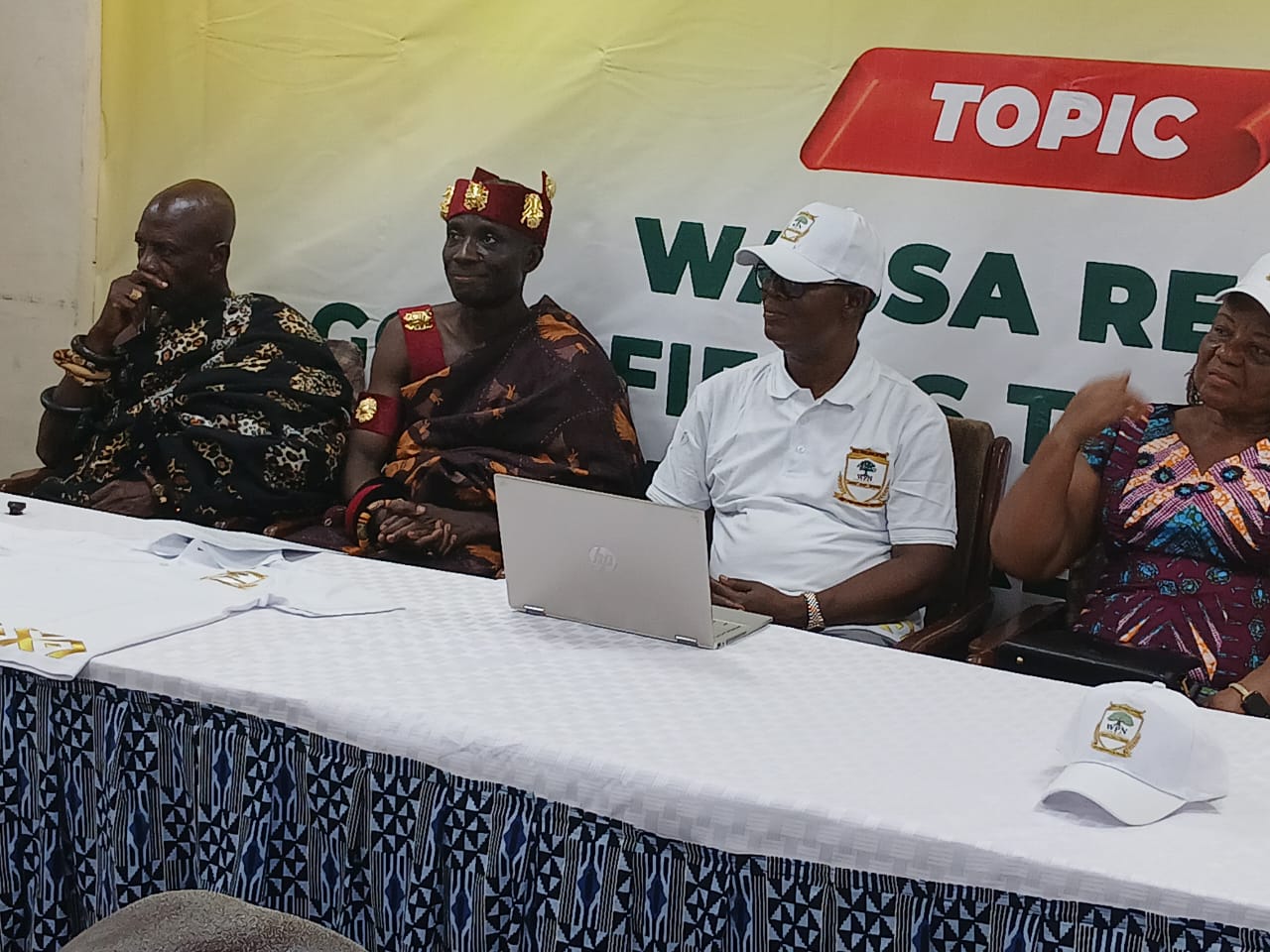
Meanwhile, the Omanhene of the Wassa Fiase Traditional Area, Odeneho Akrofa Krokoko III, has commended the Wassa Professionals Network for championing the interests of the area and advocating a fairer share of the wealth generated from its natural resources.
He said Wassa, given its considerable gold deposits and contribution to the mining industry, deserved a higher level of development than what currently exists in the area.
The traditional ruler expressed concern that the level of development in Wassa did not adequately reflect the enormous mineral wealth extracted from its lands.
He stressed that traditional authorities and other stakeholders would continue to advocate a fairer distribution of mineral benefits to improve living conditions, expand development opportunities and secure a better future for the people.
The proposed ‘Tarkwa Reset’, according to the Network, should therefore go beyond the renewal of a mining lease and become a defining moment for community ownership, responsible mining and shared prosperity in Ghana’s mineral-rich communities.
Source: Felix Nyaaba/expressnewsghana.com


