
Eschew Electoral Violence to Safeguard Democracy, Human Rights, and National Development – Hon. Ernest Anim

The Chairman of the Human Rights Committee of Parliament and Member of Parliament for Kumawu, Hon. Ernest Yaw Anim, has made a passionate appeal to Ghanaians to shun all forms of electoral violence and malpractices, stressing that such conduct undermines Ghana’s democratic credentials, violates fundamental human rights, and threatens long-term national development.
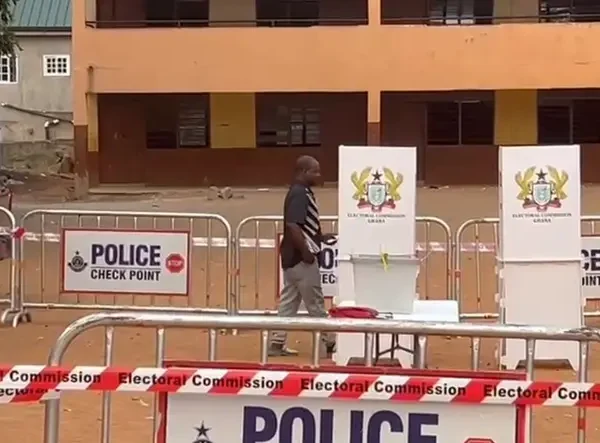
His comments come in the wake of disturbing incidents of violence during the Ablekuma North NPP Parliamentary Elections, which were held across 19 polling stations on Friday, July 11, 2025.
Reports of physical assaults, intimidation, and the abuse of media personnel have since sparked widespread condemnation and renewed calls for electoral reforms.
Hon. Anim emphasized that electoral violence is not only a direct threat to peace and stability, but also a fundamental breach of Ghana’s 1992 Constitution, which guarantees the right to life, liberty, and personal security under Chapter 5.
He also cited Article 25 of the International Covenant on Civil and Political Rights (ICCPR), which recognizes the right of every citizen to participate freely in public affairs, including elections, without fear of violence or coercion.
“Violence during elections does not only compromise the integrity of the electoral process,” Hon. Anim stated, “but it also deters citizen participation, erodes public trust in democratic institutions, and leaves lasting scars on victims, including women, children, journalists, and vulnerable groups.”
He further warned that the socio-economic consequences of electoral violence are far-reaching.
These include the destruction of property, loss of lives, displacement of people, damage to national image, and a decline in investor confidence.

The trauma experienced by victims can also result in long-term psychological effects, including depression and fear, weakening the very fabric of society.
To prevent the recurrence of such incidents, Hon. Anim called on key national stakeholders—including the Government, Political Parties, the Electoral Commission, Security Agencies, and the National Peace Council to urgently collaborate and design a proactive electoral management framework that emphasizes violence prevention, accountability, and early warning systems.
He also commended the Ghana Police Service for initiating investigations into the conduct of a police commander accused of physically assaulting a journalist during the elections. Hon. Anim described the incident as a blatant abuse of power and a direct attack on press freedom—an essential pillar of democracy.
The Human Rights Committee, he assured, will remain vigilant and vocal on all matters that violate the rights and freedoms of Ghanaians. He pledged the Committee’s continued advocacy for the protection of democratic values and respect for the rule of law.
“If we allow violence to become a normalized feature of our electoral culture,” he warned, “we risk sliding backward in our democratic journey. Ghana must rise above these setbacks and demonstrate its leadership in democratic governance across Africa.”
Hon. Anim’s statement is seen as a timely intervention, as the country prepares for the 2026 general elections, a period often marked by heightened political tension.
Civil society groups and peace building institutions have also echoed similar concerns, calling for intensified voter education, stricter enforcement of electoral laws, and peaceful political engagement at all levels.

About Author