
Ayariga Moves to Revive Aayalolo Buses, Ease Accra Traffic Congestion
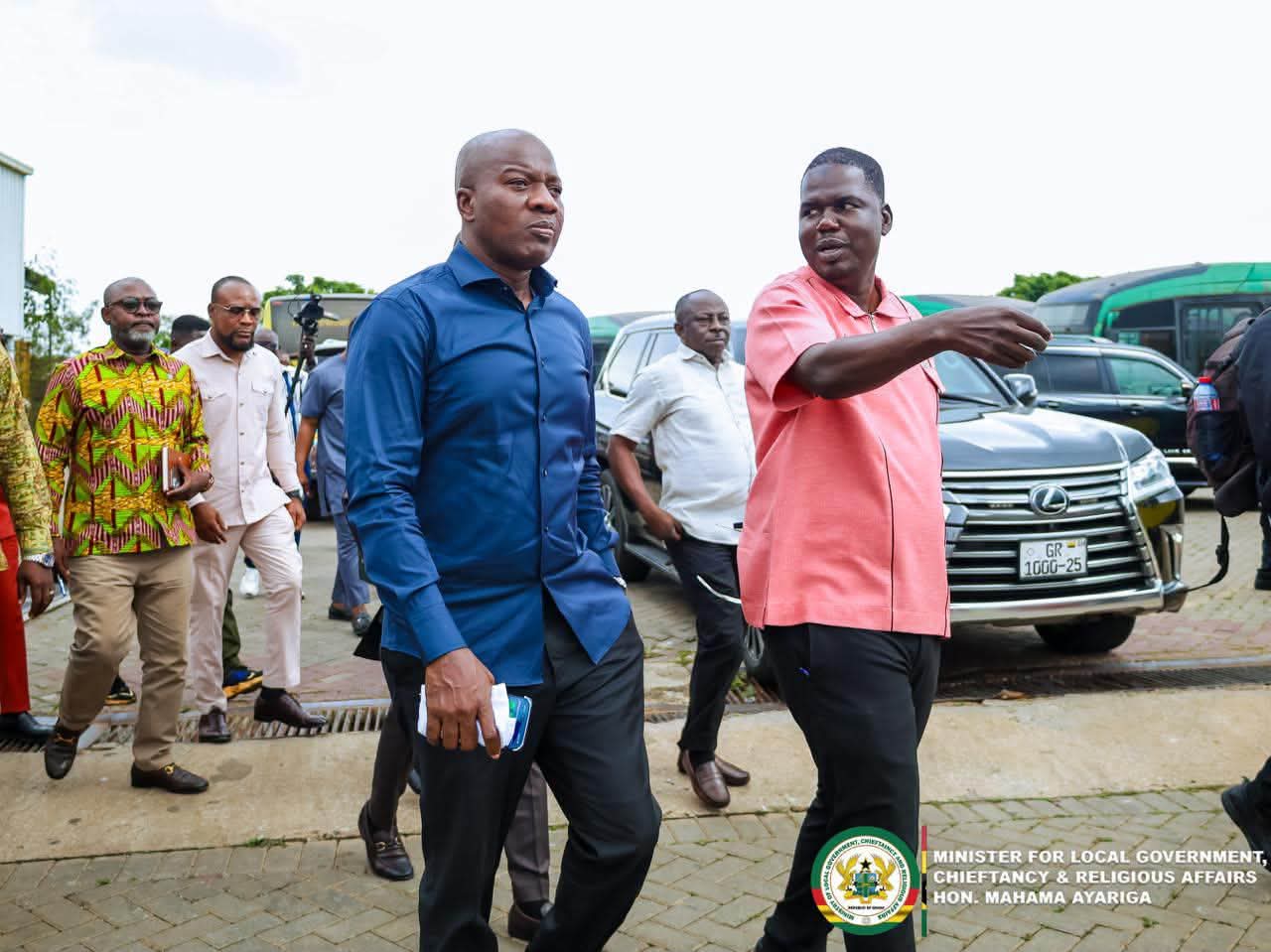
AMinister for Local Government, Chieftaincy and Religious Affairs, Hon Mahama Ayariga, has begun engagements with key stakeholders to restore the Aayalolo Bus Rapid Transit (BRT) system to full and efficient operation as part of efforts to ease traffic congestion in Ghana’s major cities.
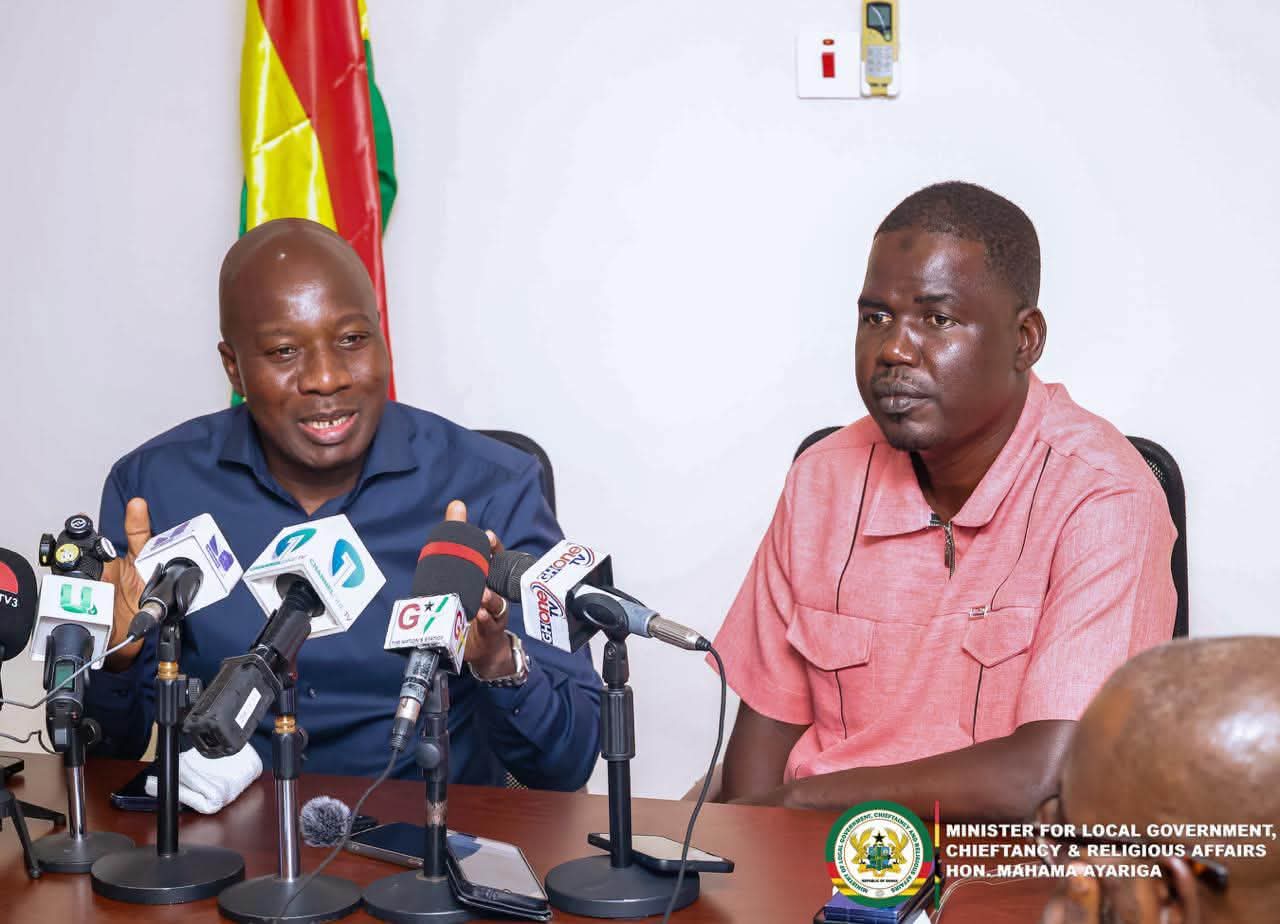
Mr Ayariga said the Aayalolo system must not merely exist as a public transport option but must function as a genuinely rapid and reliable service capable of moving large numbers of commuters quickly between the outskirts and city centres.
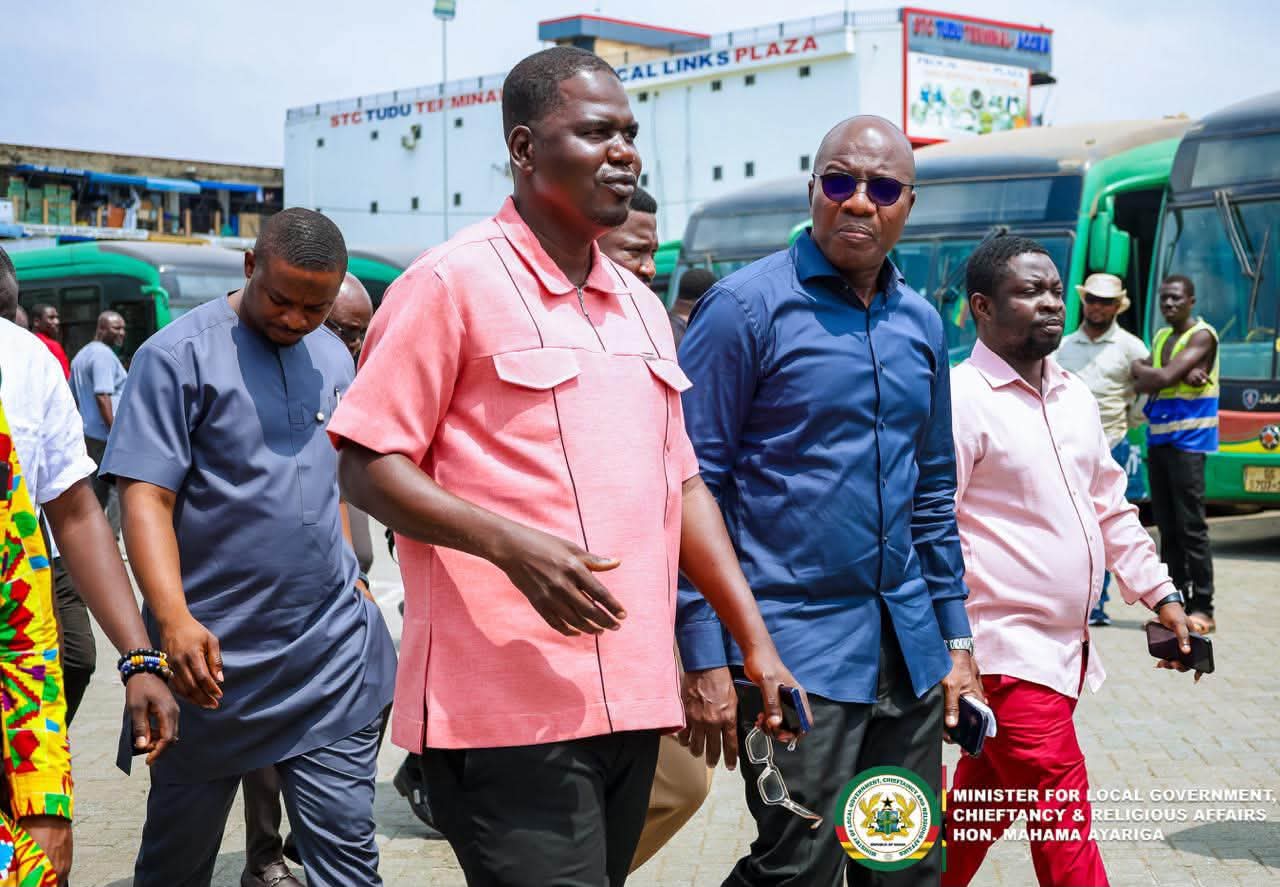
The Minister made the remarks on Tuesday, September 8, 2026, when he paid a working visit to the Aayalolo terminal and the offices of the Greater Accra Passenger Transport Executive (GAPTE) at Adenta in Accra.
He said the rapid growth of urban populations in Greater Accra, Greater Kumasi and the Sekondi-Takoradi area, as well as other emerging urban centres such as Tamale, required urgent reforms in public transportation.
According to him, the concentration of government offices, businesses, markets, hospitals, schools and other economic activities in limited areas of major cities was contributing significantly to daily traffic congestion.
“People are moved from every part of the city into a small geographical space which houses industries, government offices, markets, hospitals, schools and others,” he said, describing the situation as a structural weakness in the planning of Ghana’s cities.
Mr Ayariga said while government would have to invest in expanding road networks and developing alternative routes in the long term, an efficient public transport system could provide an immediate solution to the congestion challenge.
He stressed that Aayalolo would only attract commuters if it lived up to its description as a rapid transport system.
“People will only use the rapid transport system if indeed they are rapid. If you call it rapid and it is moving at the same snail pace as any other vehicle in town, nobody will patronise the facility,” he said.
The Minister proposed that government explore dedicated traffic arrangements for Aayalolo buses during peak hours to allow them to move more quickly through congested routes.
He suggested that between 6 a.m. and 9 a.m., selected lanes on major routes could be temporarily dedicated to Aayalolo buses travelling towards the city, with the arrangement reversed during the evening peak period.
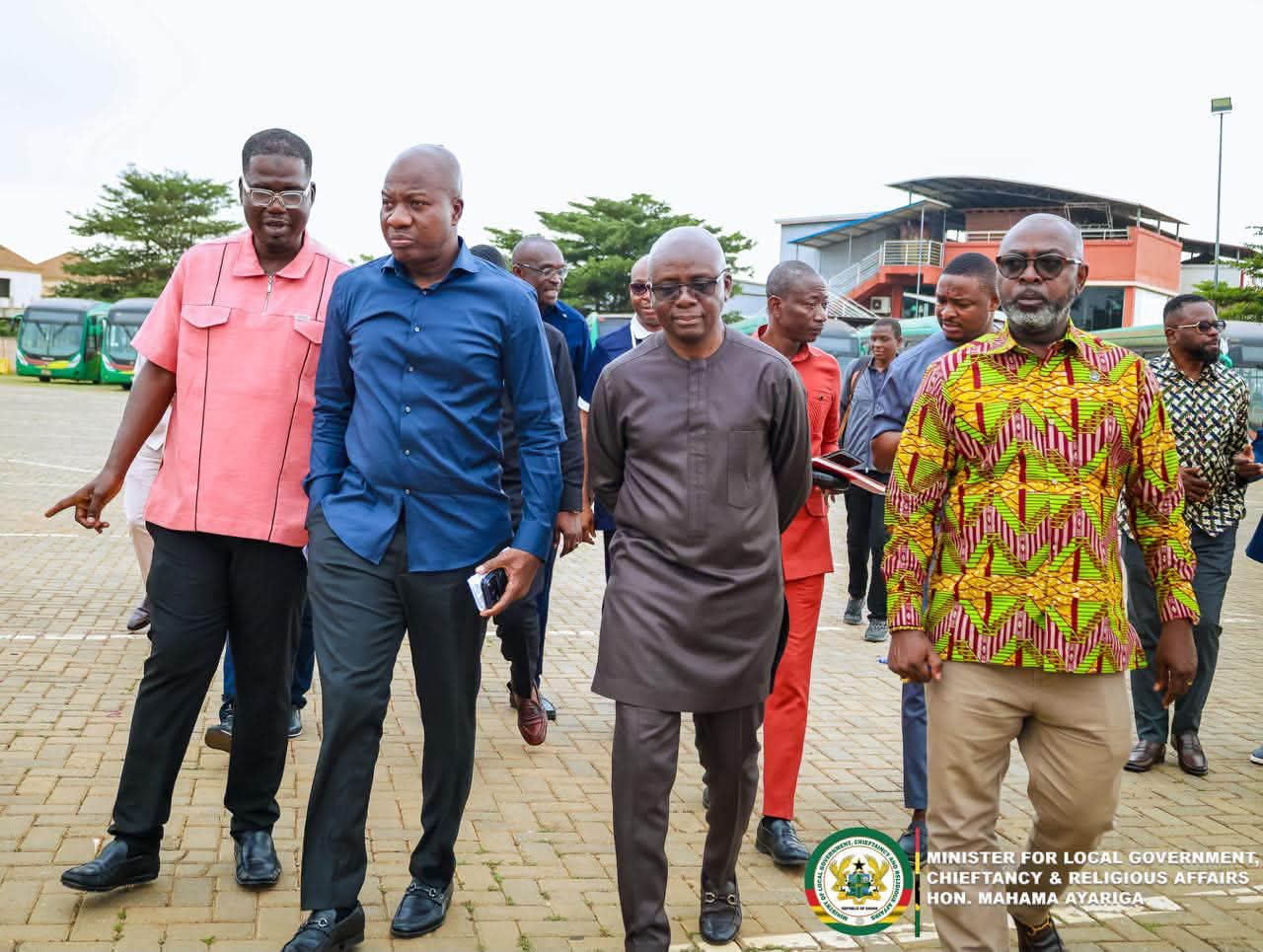
He said such a system could be supported by the Motor Traffic and Transport Directorate (MTTD) of the Ghana Police Service, including the use of police motorbikes to escort or facilitate the movement of Aayalolo buses along designated routes.
Mr Ayariga said possible routes for the arrangement could include Adenta–Accra Central, Kasoa–Accra Central, Amansaman–Accra Central and Accra–Tema, among other major commuter corridors.
He emphasised that the proposals were not yet government policy but ideas he intended to discuss with the relevant ministries and security agencies.
“I’m not announcing them as a policy. I’m just suggesting, in my non-engineering mind, what we could actually do at dedicated times,” he explained.
The Minister said he would engage the Minister for Transport, the Minister for Roads and Highways and the Minister for the Interior, as well as the police leadership, to develop a workable framework for improving the speed and reliability of Aayalolo services.
He also drew comparisons with public transport systems in cities such as Istanbul and London, where efficient mass transportation enables residents to move around without necessarily owning private vehicles.
Mr Ayariga argued that Ghanaian cities could develop similar systems if metropolitan, municipal and district assemblies were prepared to invest in public transportation and improve their revenue mobilisation.
He said local authorities had a responsibility to provide essential services, including efficient public transport, sanitation and security, and urged residents to pay their statutory rates and levies to enable assemblies to finance such services.
“Transport systems are a responsibility of the metropolis to ensure that those who live in their cities are transported efficiently to their destinations,” he said.
The Minister further proposed that major intercity buses could terminate at strategic points on the outskirts of major cities, allowing passengers to transfer to rapid intracity buses rather than having large numbers of buses and private vehicles enter congested city centres.
He said the approach could help decongest urban centres without requiring government to immediately undertake the costly construction of additional roads.
Mr Ayariga also called for greater accountability in the management of Aayalolo buses, recounting concerns over buses previously transferred to Kumasi.
He said about 60 buses had been sent to Kumasi but were subsequently taken over by individuals, resulting in the operating agency receiving no revenue from them for several years.
He warned that such practices could undermine the sustainability of public transport initiatives and create a cycle of political interference and indiscipline.
“If you do the wrong things, you set wrong examples, and others would like to copy the wrong examples. If you do the right thing, you set the right precedence,” he said.
The Minister said he was confident that the challenges confronting Aayalolo could be resolved with effective leadership, coordination among government agencies and proper organisation.
“This is not rocket science. As cities, we should be able to provide rapid transport systems for our inhabitants. This is done by all decent cities across the world,” he said.
He added that a functional and profitable Aayalolo system could eventually attract private investment and support expansion of the network.
Mr Ayariga commended the management and staff of GAPTE for their efforts and said he would continue discussions with the relevant stakeholders to identify practical measures to make Aayalolo a dependable and genuinely rapid public transport system for commuters.
Meanwhile, the Managing Director of the Greater Accra Passenger Transport Executive (GAPTE), Mr Awudu Dawuda , said the agency had intensified efforts to increase the number of operational Aayalolo buses ahead of the Christmas season.
He said GAPTE inherited more than 80 operational buses but had so far repaired 48 additional buses, bringing the number of buses currently available for operations in Greater Accra to more than 128.
According to him, several other buses were still undergoing repairs and would be added to the fleet once they were restored.
Mr Dawuda explained that the agency was preparing to strengthen its operations ahead of the Christmas period, when the number of people travelling into and within Greater Accra traditionally increases.
Source: Felix Nyaaba/expressnewsghana.com
About Author