

ACEPA Urges Parliament to Protect Four Years of Gender-Responsive Reforms
The African Centre for Parliamentary Affairs (ACEPA) has urged Parliament to protect and sustain four years of gender-responsive reforms introduced under the Inclusive Legislatures for Gender-Responsive Policies (ILGRP) Project, warning that the gains could be lost unless they are firmly embedded in the legislature’s policies, budgeting, oversight and institutional practices
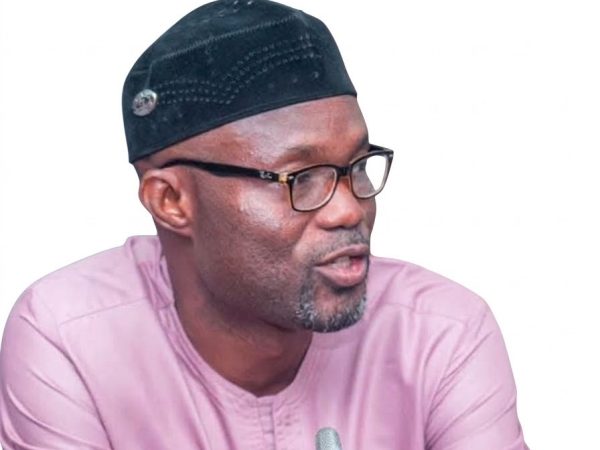
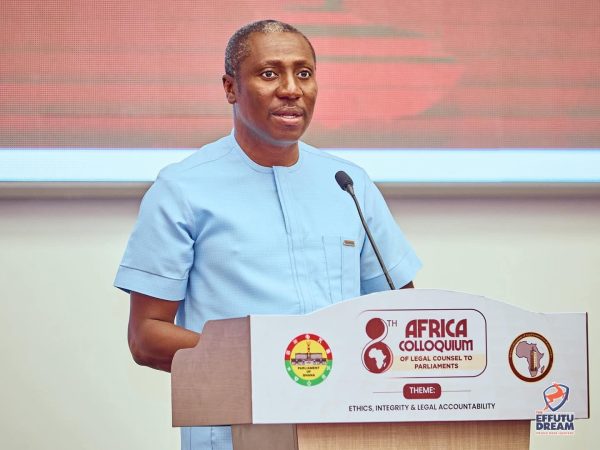
ACEPA Executive Director, Dr Rasheed Draman, said the long-term success of the initiative depended on Parliament transforming the knowledge, tools and capacities developed under the project into permanent institutional practices beyond its 2026 completion.
Speaking at the closing event of activities under the project at Parliament House in Accra on Thursday, Dr Draman stressed that gender responsiveness must become an integral part of parliamentary decision-making rather than remain an objective pursued through time-bound development projects.
“Gender responsiveness must move from being a project objective to becoming an institutional habit,” he stated.
He cautioned that reforms achieved through development initiatives could easily be reversed if they were not incorporated into institutional structures, policies and procedures.
“What is not institutionalised is at risk of being lost,” he said, urging Parliament to ensure that gender considerations informed its legislative, budgeting, oversight and administrative functions.
Dr Draman explained that gender responsiveness was fundamental to effective and accountable governance, arguing that legislatures could not fully fulfil their democratic mandate if their policies, institutional cultures and resource allocation systems failed to address the different needs and experiences of women and men.
He noted that promoting inclusion went beyond increasing women’s representation in Parliament to ensuring that institutional processes reflected diverse perspectives, gave appropriate attention to relevant issues and supported equitable allocation of public resources.
He therefore called for gender analysis to be systematically integrated into legislation, budget scrutiny, parliamentary oversight and representation to ensure that governance processes responded to the needs of all sections of society.
According to him, the project’s success should not be measured by the number of workshops organised or participants trained, but by whether gender-responsive approaches became a routine part of parliamentary operations in the years ahead.
“Projects have timelines, but the responsibility to build inclusive institutions does not expire with a project,” he said.
Dr Draman called for collective ownership of the reforms among parliamentary leadership, Members of Parliament, the Parliamentary Service, civil society organisations and other stakeholders to ensure that the progress achieved translated into lasting institutional change.
He also expressed ACEPA’s appreciation to Global Affairs Canada, the Parliament of Ghana, the Parliamentary Service and other partners for their support throughout the project’s implementation.
Bagbin Assures Parliament’s Commitment
Speaker of Parliament Alban Sumana Kingsford Bagbin has reaffirmed Parliament’s commitment to sustaining the reforms beyond the lifespan of the ILGRP Project, assuring stakeholders that the institution remains determined to consolidate the gains made.
In a speech delivered on his behalf by Dr Sylvia Anneh, Special Advisor on Gender and Health Matters, the Speaker said Parliament was committed to promoting accountable, transparent and inclusive governance by integrating gender considerations into legislative planning, budgeting, oversight and institutional management.
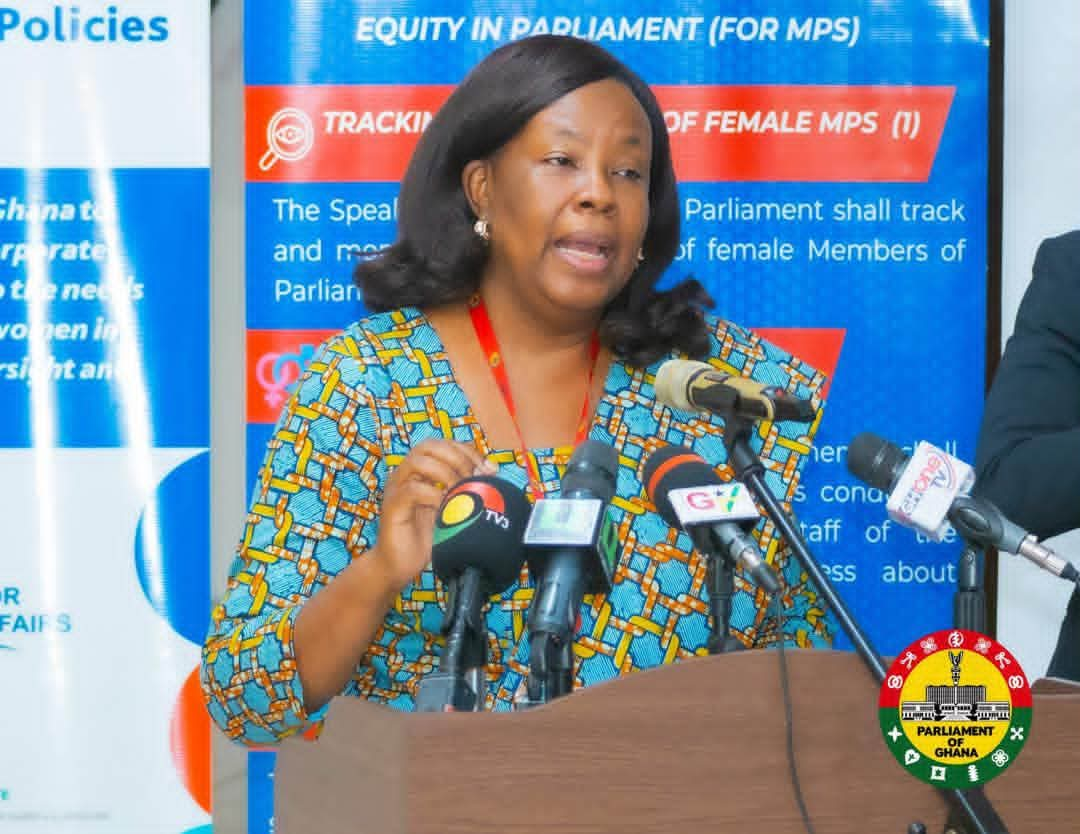
He stressed that Parliament must take ownership of the systems, knowledge and practices developed under the initiative to guarantee their continued relevance and impact on parliamentary democracy.
“The responsibility now is to ensure that the lessons of ILGRP become part of how Parliament plans its work, manages its resources and evaluates its performance,” he said.
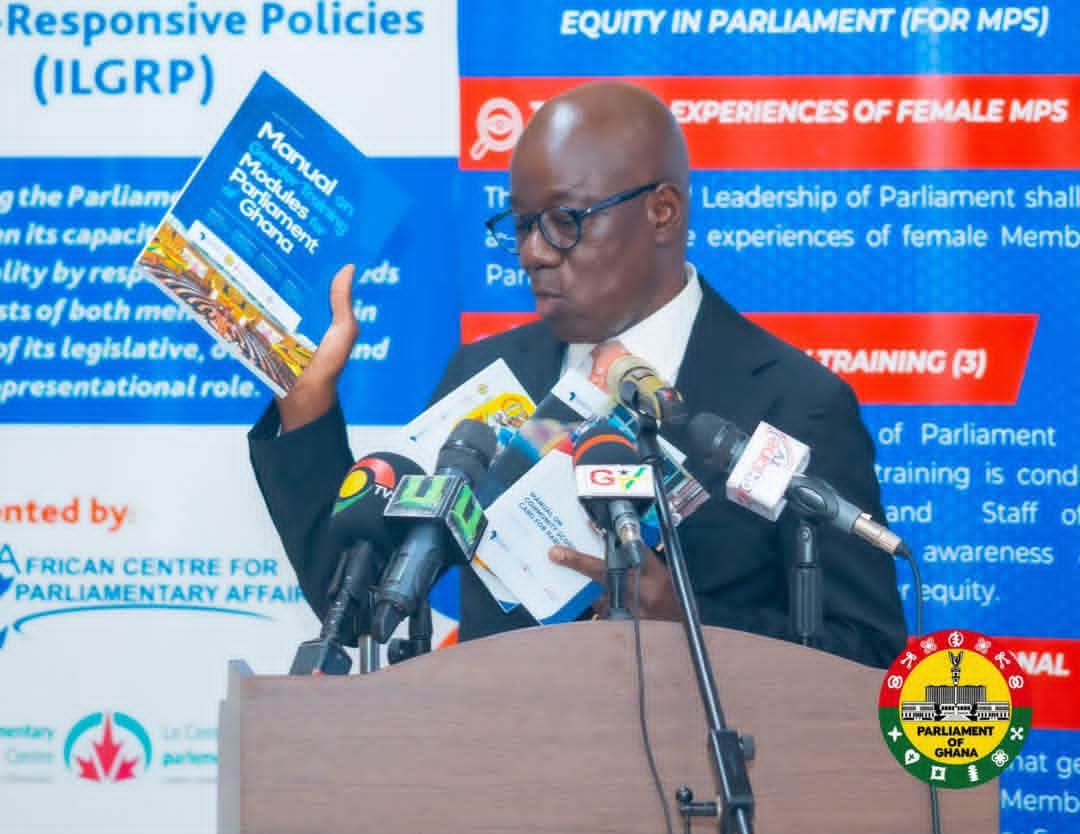
As part of efforts to support the sustainability of the reforms, ACEPA presented policy manuals on gender, anti-harassment, inclusiveness and gender budgeting to Parliament.
The manuals are expected to provide guidance for strengthening gender-responsive practices and reinforcing the institutional mechanisms needed to promote inclusion and accountability.
Implemented from 2022 to 2026 through a partnership involving ACEPA, the Parliamentary Centre of Canada and the Parliament of Ghana.
Dr Gifty Adika of ACEPA said the ILGRP Project sought to strengthen the capacities of Members of Parliament, parliamentary staff, civil society organisations and women’s rights groups to promote gender-responsive parliamentary oversight and governance.
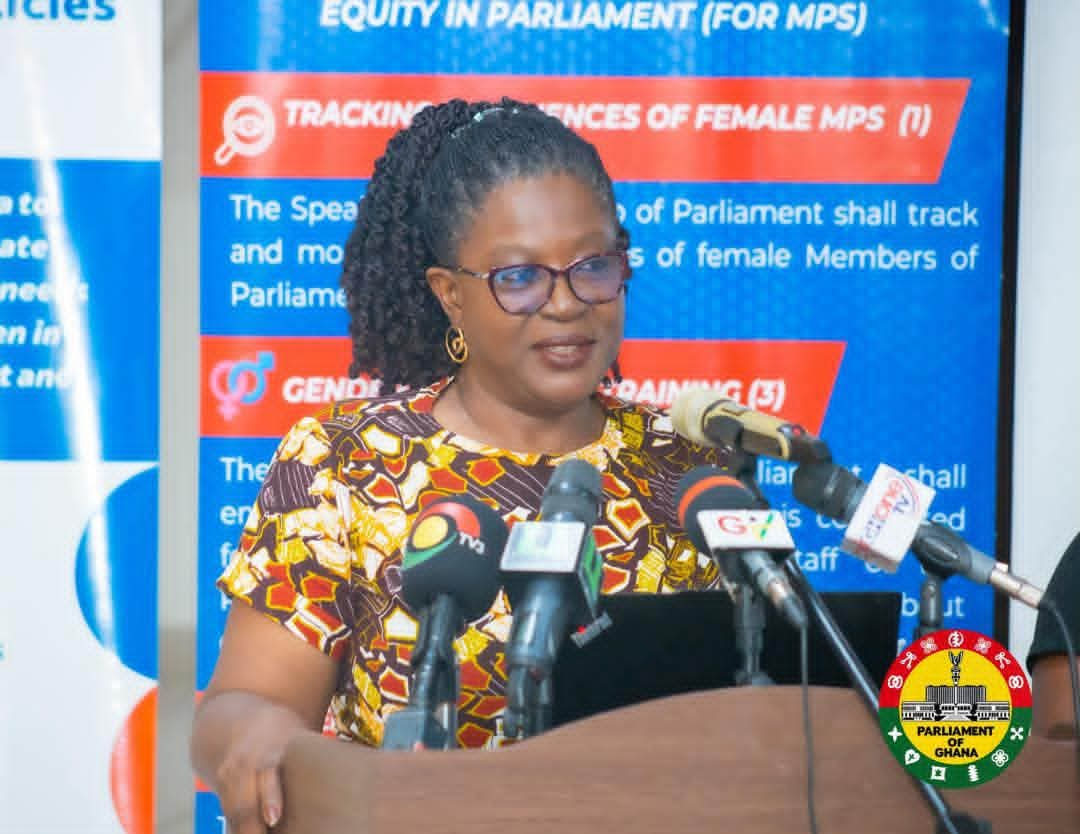
The project’s completion, she said places renewed emphasis on Parliament’s responsibility to translate the reforms into lasting institutional practices that promote inclusive representation, equitable resource allocation and accountable governance for all Ghanaians.
Source: Felix Nyaaba/ExpressNewsGhana.com
About Author