
TEIN, TESCON Pledge Peaceful Politics, Call for National Unity Beyond Party Lines
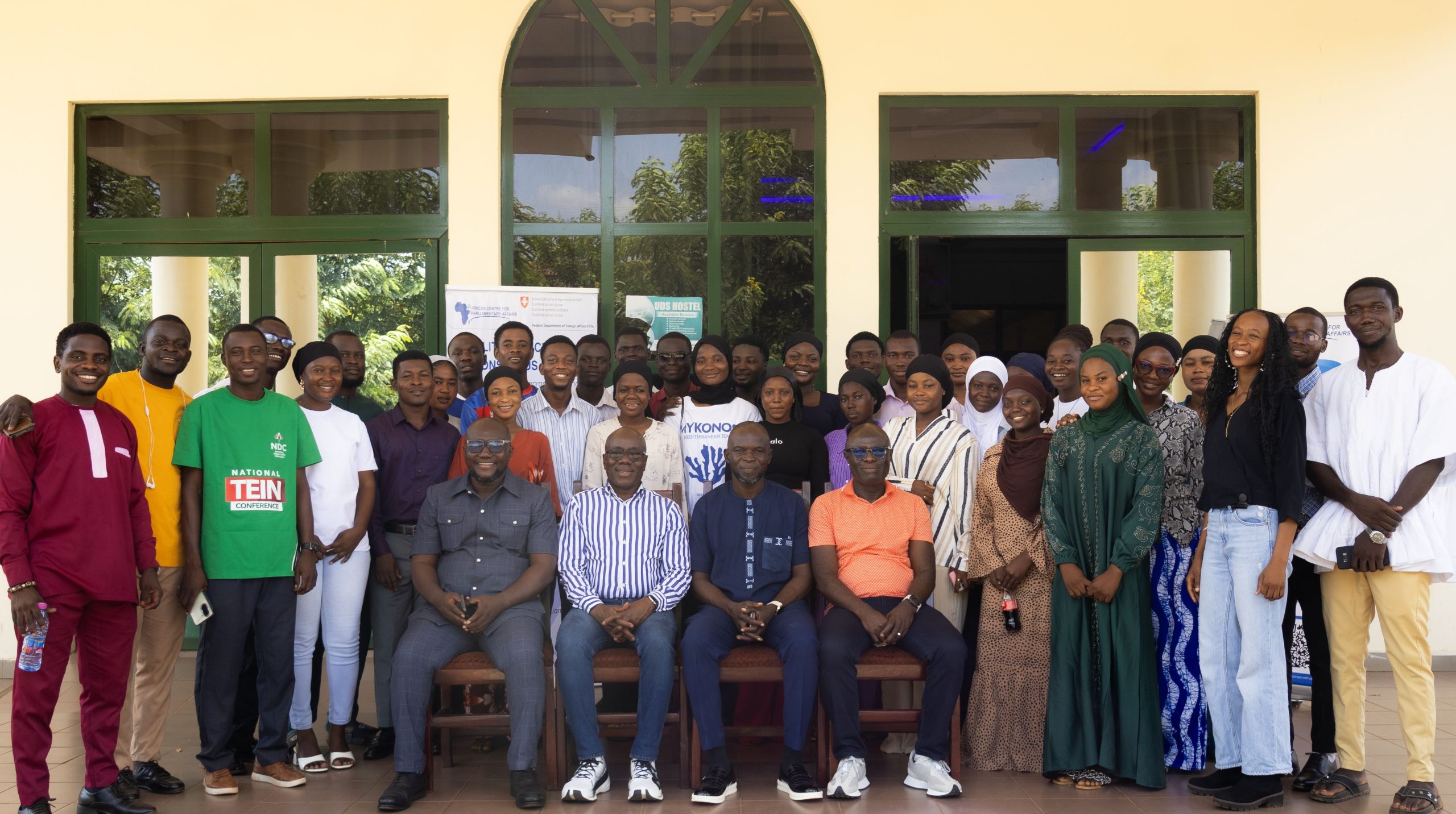
The Tertiary Education Institutions Network (TEIN) and the Tertiary Students’ Confederacy Network (TESCON) have pledged to promote political tolerance, constructive dialogue and peaceful coexistence among young people, stressing that political differences should not make opponents enemies.
The two student political groups made the commitment in a joint communiqué issued after a workshop on Political Inclusion and Consensus Building: The Role of Political Parties and Parliament, organised by the African Centre for Parliamentary Affairs (ACEPA) with support from the Swiss Federal Department of Foreign Affairs (FDFA).
The communiqué, signed by participants from both groups, underscores the need for responsible political engagement, ethical leadership and consensus building as essential pillars of Ghana’s democratic development.
Although TEIN and TESCON represent different political traditions and affiliations, the groups maintain that their differences should not undermine their shared responsibility to protect the peace, unity and progress of Ghana.
“We are citizens of one nation, governed by one Constitution, and share a collective responsibility to contribute to Ghana’s peace, democratic development and national progress,” the communiqué stated.
The groups called on young Ghanaians to embrace political disagreements as a natural feature of democracy and to resolve them through dialogue rather than hostility, intimidation or violence.
“We call on our members and fellow young Ghanaians to listen to understand, challenge ideas rather than individuals, verify information before sharing it, respect political differences and cooperate where our interests are shared,” the statement said.
Call for issue-based politics
TEIN and TESCON also urged their members to shift political discussions from personal attacks and partisan hostility to substantive debates on policies, ideas and issues affecting the country.
They condemned insults, character assassination, stereotyping, intimidation and political violence, while encouraging respectful engagement as a means of resolving disagreements.
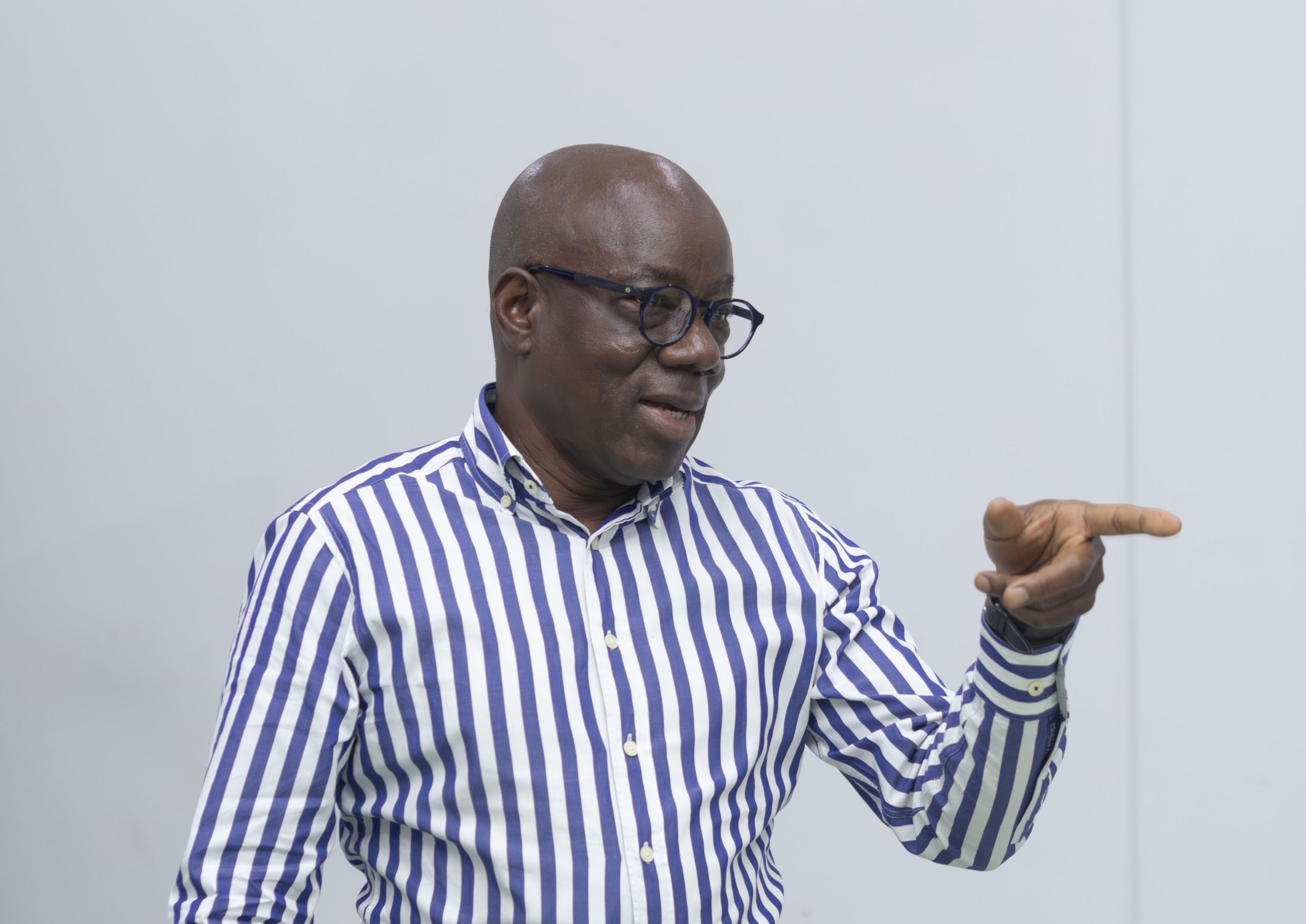
The groups further committed to promoting responsible communication across traditional and digital media, urging young political activists to verify information before sharing it and to reject misinformation, disinformation and inflammatory content capable of creating tension and undermining public trust.
On university campuses, they pledged to support peaceful, transparent and credible student elections, while discouraging electoral misconduct, intimidation, violence and the use of unofficial security groups in student political activities.
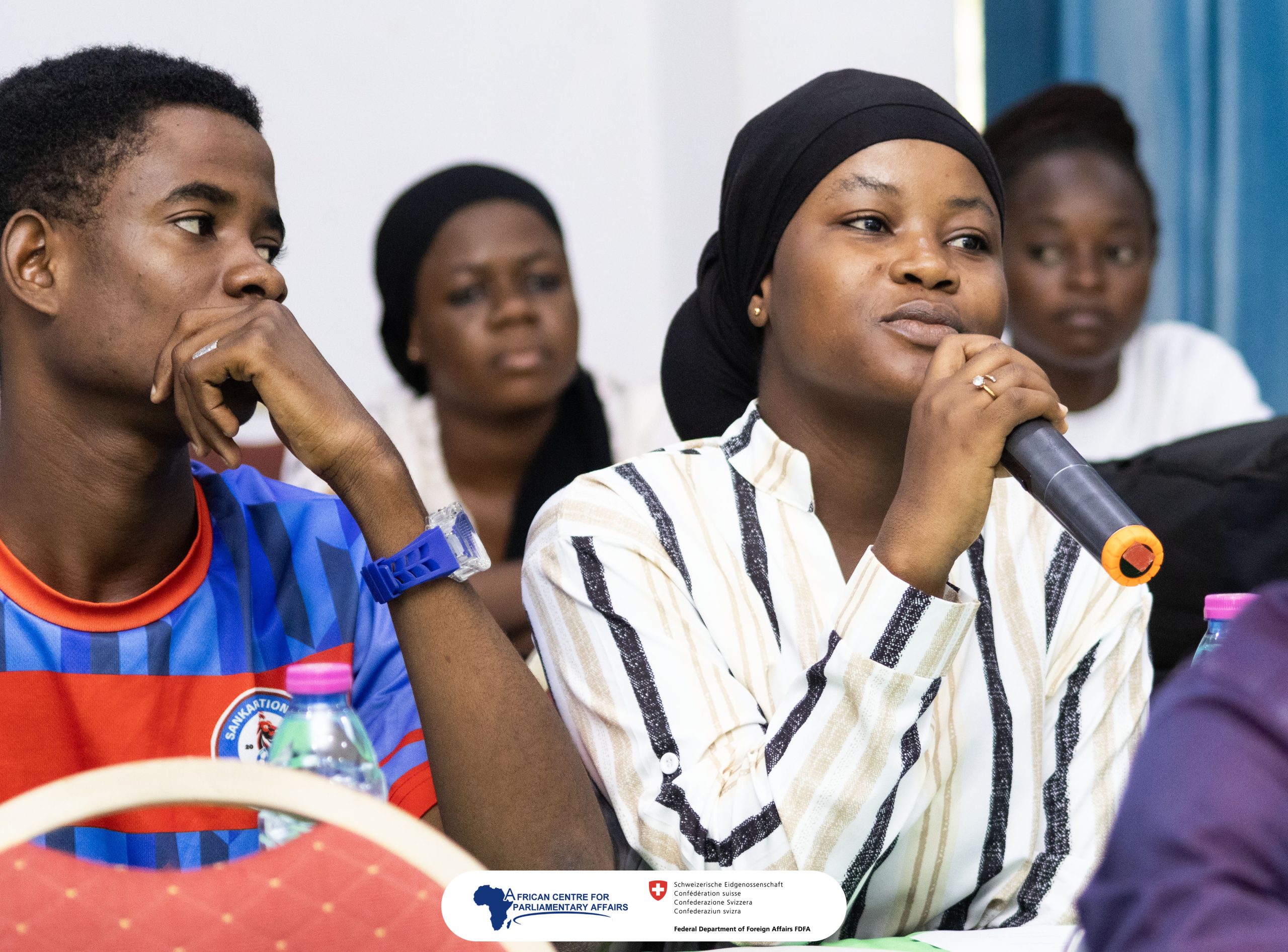
They also called for the protection of university facilities and other public property, emphasising that political participation must be exercised within the law and in accordance with institutional rules and regulations.
Youth employment and national development
Beyond promoting political tolerance, the two organisations called for a national development plan that transcends political party affiliations and provides a consistent framework for Ghana’s long-term development.
They urged successive governments to continue and complete worthwhile projects initiated by their predecessors, arguing that policy continuity is essential to sustainable national progress.
The groups also called on the National Democratic Congress (NDC) and the New Patriotic Party (NPP) to prioritise youth employment through sustainable policies that expand economic opportunities, encourage entrepreneurship, strengthen skills development and address unemployment and underemployment.
They maintained that political parties should identify areas of common interest and collaborate on initiatives in environmental protection, sanitation, community service and academic development, notwithstanding their ideological differences.
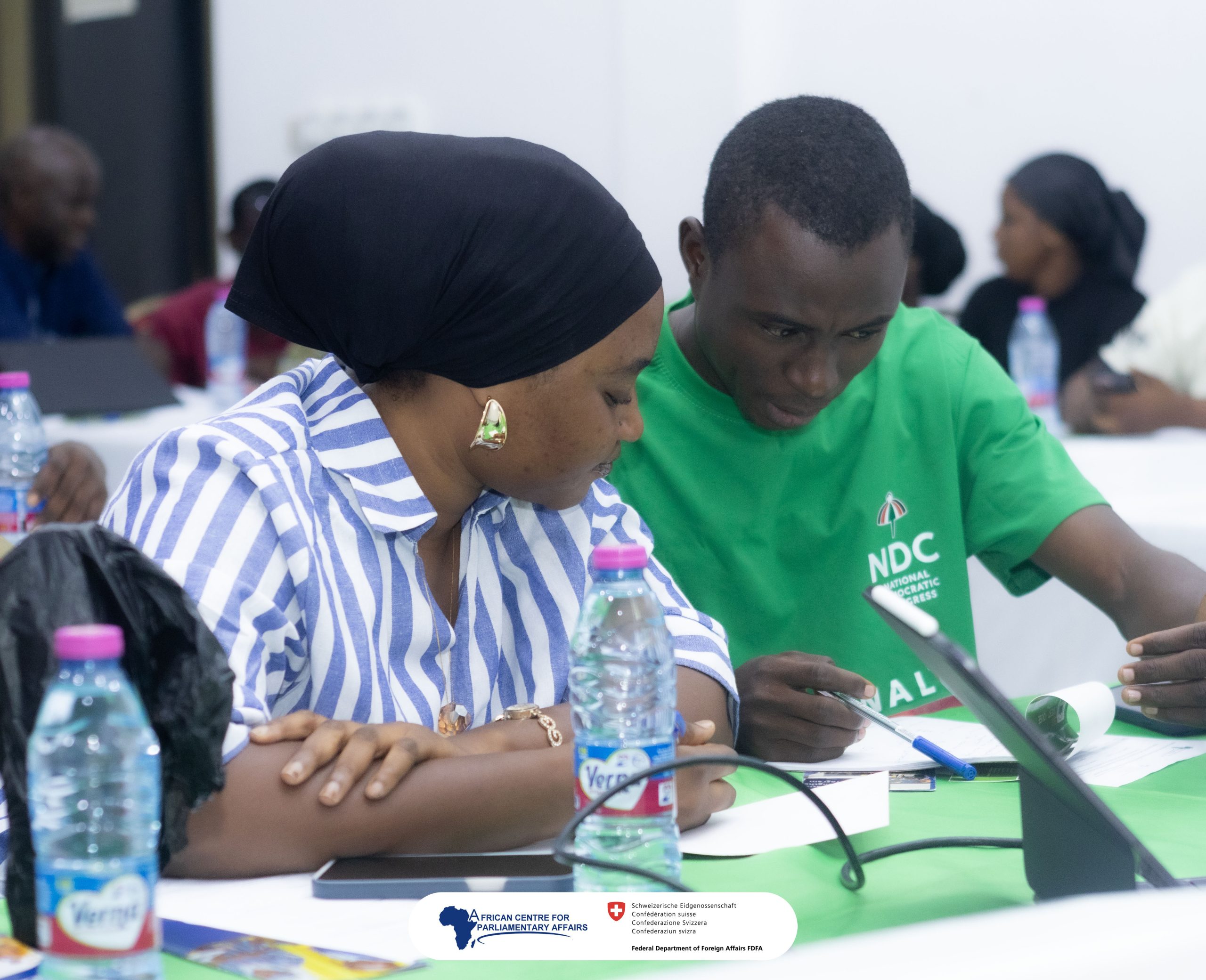
“Consensus does not require political or ideological uniformity,” the communiqué noted, adding that cooperation on issues of shared interest could strengthen trust and improve the well-being of students and communities.
*Inclusive leadership and academic freedom*
The groups further pledged to promote inclusive student leadership that serves the interests of all students, irrespective of their political affiliations or voting choices.
They stressed that elected student leaders have a responsibility to represent the entire student body fairly and impartially, rather than favouring supporters of their political groups.
They also reaffirmed their commitment to protecting academic freedom and students’ rights to participate in political and civic activities, while respecting campus safety and university regulations.
According to the communiqué, political engagement should enrich the academic environment rather than disrupt teaching, learning or peaceful campus life.
The organisations referenced Article 41 of Ghana’s 1992 Constitution, which outlines the duties of citizens, as part of their shared responsibility to promote ethical leadership, responsible citizenship and national cohesion.
A call to political leaders and institutions
TEIN and TESCON described student political activists as potential future leaders of political parties, Parliament, government and other public institutions, saying their conduct today would help shape Ghana’s political culture tomorrow.
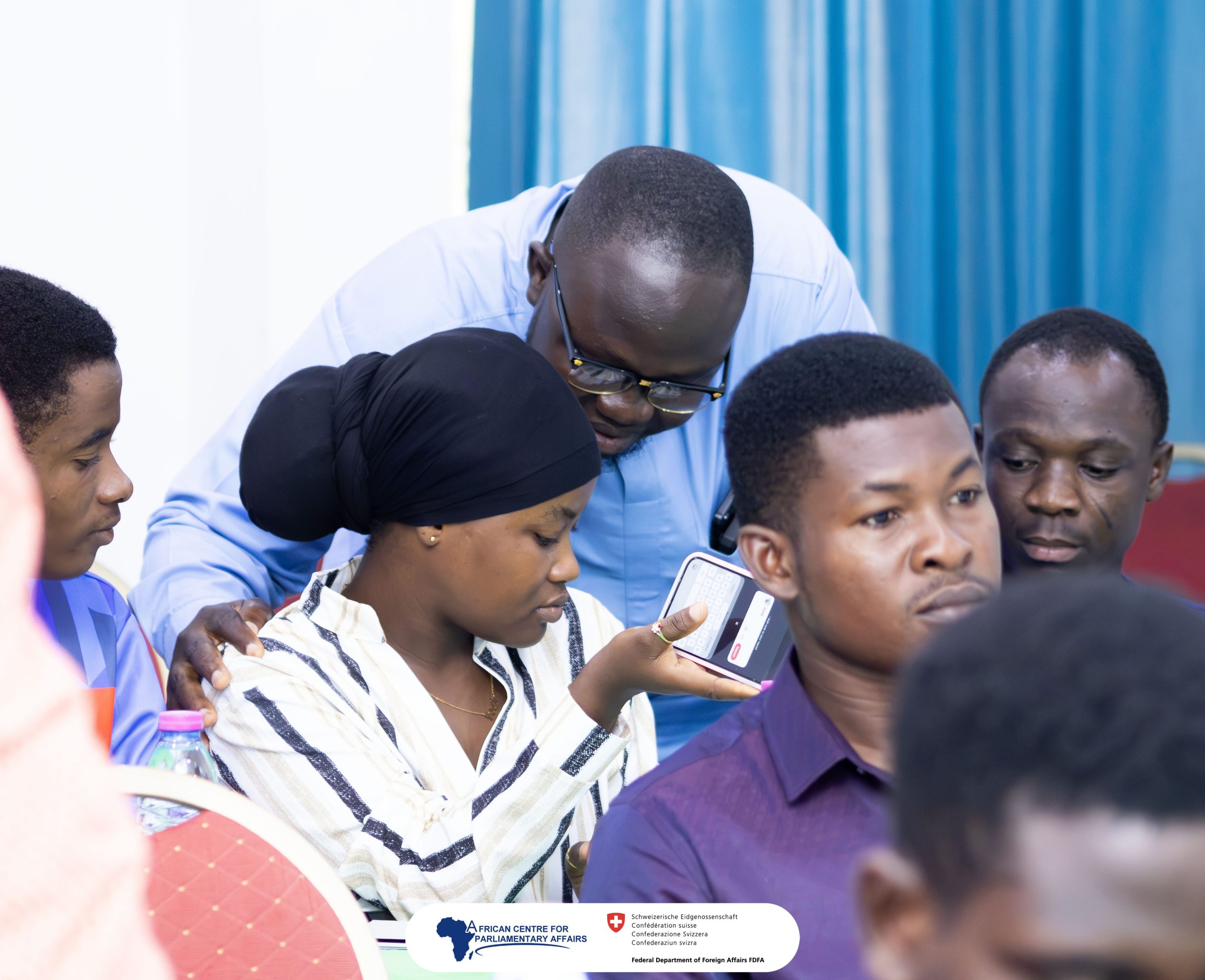
They therefore called on political parties, educational institutions and other stakeholders to support initiatives that promote inclusive participation, ethical leadership, consensus building and peaceful political engagement among young people.
The groups also pledged to sustain constructive dialogue beyond the workshop and explore practical joint activities to strengthen mutual trust, tolerance and cooperation between their members.
They encouraged other student and youth organisations to embrace similar initiatives, insisting that political diversity should not stand in the way of national unity.
“We firmly believe that political diversity and national unity can coexist and that Ghana’s democratic future will be strengthened when citizens can disagree peacefully while working together towards the common good,” the communiqué stated.
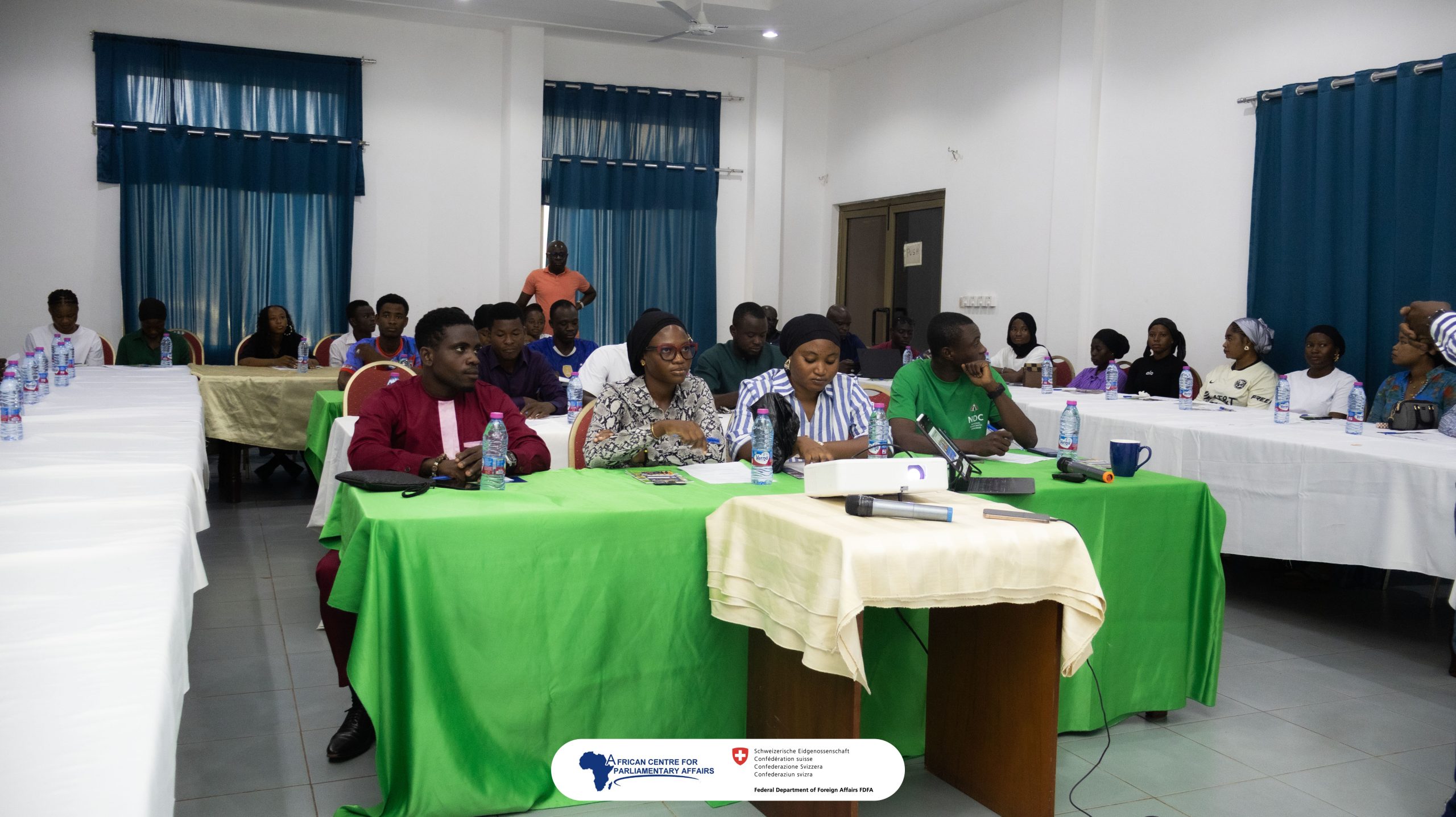
Source: Felix Nyaaba/expressnewsghana.com
About Author