

2027 Budget Offers Historic Lifeline for Agriculture, Food Security – Dr Jasaw
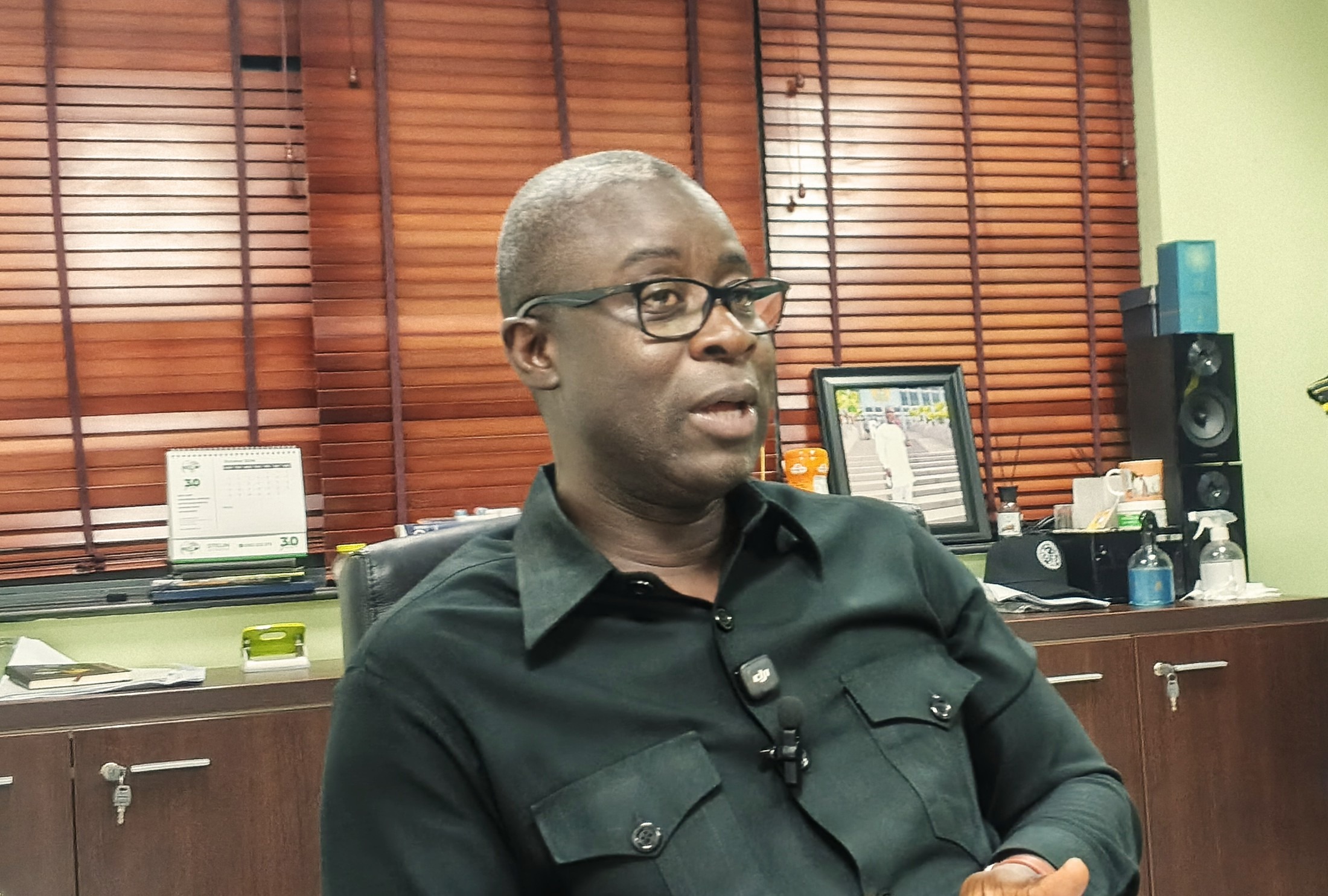
The Chairman of Parliament’s Food and Agriculture Committee and Member of Parliament for Wa East, Dr Godfred Seidu Jasaw, has described the 2027 Budget as a historic opportunity to transform Ghana’s agricultural sector, reduce the country’s dependence on food imports and strengthen national food security.
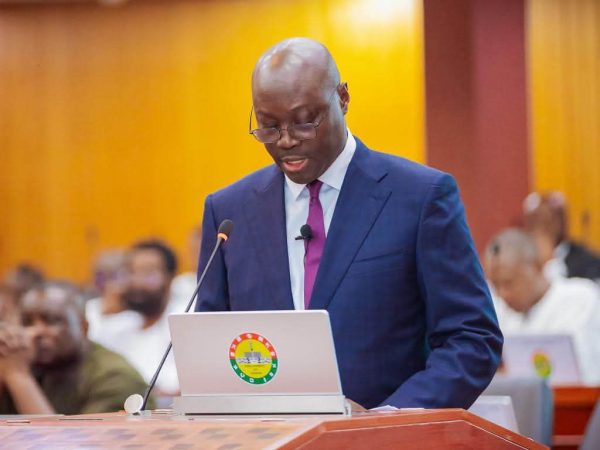
He said the budget, presented by the Minister for Finance, Dr Cassiel Ato Forson, provides a critical foundation for shifting Ghana’s economy from excessive dependence on imports and consumption towards production, value addition and industrialisation.
Dr Jasaw made the remarks in an interview with members of the Parliamentary Press Corps (PPC) at Parliament House in Accra after contributing to the debate on the 2027 Budget.
He described the budget as a major departure from previous economic approaches, arguing that Ghana had waited for decades for a comprehensive economic policy direction that prioritises domestic production and strengthens the country’s export capacity.
“I think that the 2027 Budget, for me, is a statement that the Finance Minister has made, whose stature and place in our economic history stand out. For 70 years, we have waited for this kind of orientation and statement as a country,” he said.
According to him, successive governments have struggled to address the structural imbalance between imports and exports, leaving Ghana heavily dependent on foreign goods, particularly food products.
He said the country’s longstanding aspiration should be to produce more of what it consumes, increase exports and reduce the pressure on foreign exchange reserves.
“All of us have always wished that we change the structure of the economy in such a way that the balance of imports against exports will be tilted more towards exports, and that we can be self-sufficient in what we eat and consume,” he stated.
Economic stabilisation creates room for agricultural investment
Dr Jasaw defended the economic priorities of the government’s previous two budgets, explaining that the initial focus on stabilisation was necessary to address the economic difficulties inherited by the administration.
He said the 2025 and 2026 budgets were designed to address the country’s debt situation, restore macroeconomic stability and mobilise domestic resources to create the conditions for sustainable growth.
According to him, the Finance Minister could not have prioritised massive spending on development projects without first addressing the economic challenges facing the country.
“Where is the money to spend?” he asked, arguing that the government’s initial economic strategy was to stabilise the economy, strengthen revenue mobilisation and create fiscal space for investment.
He noted that agriculture had contributed approximately 22.8 per cent to Ghana’s Gross Domestic Product (GDP), with the sector recording sustained growth of about 6.8 per cent.
For him, these economic fundamentals provide a basis for the government’s next phase of development, which places production, commercial agriculture and industrialisation at the centre of its economic transformation agenda.
$3 billion New Economy programme targets commercial agriculture
A major aspect of the 2027 Budget that excites the Wa East MP is the New Economy programme, which he described as a potentially transformative intervention for Ghana’s productive sectors.
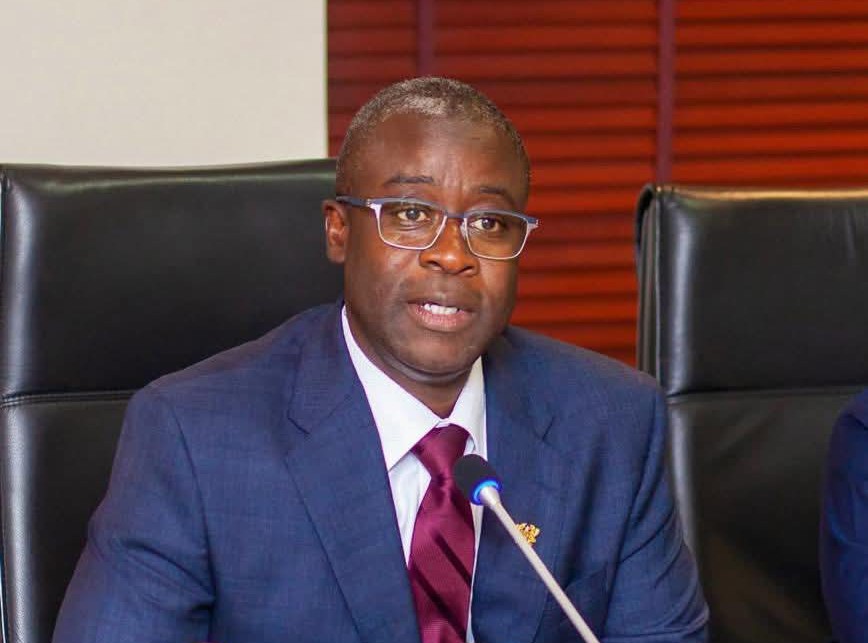
He said the programme identifies eight strategic pillars, including commercial agriculture, as priority areas for investment, with a reported $3 billion earmarked for the initiative.
Dr Jasaw said commercial agriculture had the potential to create sustainable economic growth because it focuses on production, processing and value addition rather than merely facilitating the circulation of money through buying and selling.
“A sustained economic progress will be a function of how productive that economy is. If you do a consumer-based economy, where you buy and sell retail, you are not producing anything. But where you can invest in production, which will turn into output, and add value to what you produce, then you are adding economic value,” he explained.
He identified rice, poultry, sugarcane, maize, soya, oil palm and aquaculture among the strategic commodities targeted under the commercial agriculture agenda.
The MP said these commodities were carefully selected because of their potential to reduce Ghana’s food import bill, create jobs, strengthen local industries and improve the country’s capacity to feed itself.
Rice production to reduce $800 million import bill
Dr Jasaw expressed concern about Ghana’s dependence on imported rice, disclosing that the country spends approximately $800 million annually on rice imports.
He said the broader national food import bill stands at about $2 billion annually, a situation he described as unacceptable for a country with significant agricultural potential.
He explained that the high cost of local rice production has made it difficult for Ghanaian farmers to compete with imported alternatives, forcing consumers to opt for cheaper foreign rice.
Under the proposed commercial agriculture interventions, he said the government intends to support large-scale rice production and processing, including investment in rice mills to improve the quality and competitiveness of locally produced rice.
He believes that supporting commercially viable farming ventures, reducing production costs and strengthening processing capacity would enable Ghanaian rice to compete favourably with imported brands.
“If we can have this sustained in a very attractive way, what that means is that we eventually will be reducing the importation of rice into our economy,” he said.
He added that Ghana should work towards building sufficient production capacity by 2030, while acknowledging that complete self-sufficiency may not necessarily be the most practical economic objective.
Poultry sector receives major attention
The MP also singled out the poultry industry as one of the most promising areas of investment under the 2027 Budget.
He disclosed that Ghana spends approximately $400 million annually on poultry imports, arguing that the country could retain a significant portion of that expenditure within its economy by strengthening domestic poultry production.
He welcomed ongoing efforts by the Ministry of Agriculture to establish poultry industries across the country and support large-scale producers to expand local production.
However, he said production alone would not be sufficient without adequate processing, storage, cold-chain facilities and distribution networks.
Dr Jasaw explained that the budget provides for 40 per cent of EXIM Bank’s flows to be dedicated to supporting the poultry farm-to-table initiative.
The intervention, he said, would cover poultry farming, processing facilities, storage equipment, cold-chain infrastructure and logistics to ensure that locally produced poultry reaches consumers efficiently.
He described the arrangement as an important step towards reducing imports while creating opportunities for farmers, processors, distributors and other businesses along the poultry value chain.
Pwalugu Irrigation Project gets $1 billion commitment
Beyond commercial agriculture, Dr Jasaw identified irrigation development as another critical component of the 2027 Budget, particularly in the face of climate variability and the country’s dependence on rainfall.
He argued that the absence of rainfall should not automatically translate into an absence of water for agricultural production, given the availability of rivers and other water resources across the country.
He cited ongoing irrigation investments, including a 1,000-acre irrigation project, which he said was approximately 97 per cent complete and represented a significant opportunity for expanding year-round farming.
The MP also welcomed the proposed $1 billion allocation for the Kualuga Irrigation Project, describing it as a major intervention that could unlock the agricultural potential of the area.
He recalled that approximately $11.5 million had previously been spent on the project without the expected results, largely because the necessary financing arrangements were not secured to complete it.
According to him, the renewed commitment is expected to support the construction of the dam and provide approximately 25,000 hectares of irrigable land.
He said the project would significantly expand agricultural production, create employment opportunities and provide reliable water for farmers throughout the year.
Dr Jasaw indicated that the first phase of the project was expected to be completed within two years, with the final phase targeted for completion by 2030.
He said the availability of irrigation infrastructure, coupled with processing industries ready to purchase farmers’ produce, would give agricultural producers the confidence to expand their operations.
Calls for accountability over budget allocations.
While expressing strong confidence in the government’s agricultural transformation agenda, Dr Jasaw urged stakeholders and the public to closely monitor the implementation of the budget to ensure that the announced allocations translate into tangible results.
He stressed that timely releases of funds would be essential to achieving the objectives outlined by the Finance Minister, particularly in commercial agriculture, irrigation and agro-processing.
He said the government must be held accountable for delivering6 on its commitments to the agricultural sector.
“Let’s follow the money. The money has been pronounced. Let’s follow where the allocations are.
All of us have a duty to hold the Finance Minister and the Ministry of Agriculture accountable for this covenant they are taking with Ghanaians,” he urged.
He further called for timely budgetary allocations and releases to enable the relevant institutions and private-sector operators to begin implementing the planned interventions without unnecessary delays.
Dr Jasaw maintained that if the proposed investments are properly implemented, Ghana could significantly reduce its food import dependence, expand local industries, create sustainable employment and establish a stronger foundation for food security.
He said the success of the 2027 Budget would ultimately depend not only on the financial commitments announced but also on the government’s ability to translate those commitments into increased production, value addition and improved livelihoods for farmers and other players in the agricultural value chain.
Source: Felix Nyaaba/expressnewsghana.com
About Author