

Civil Society Demands Accountability, Equitable Access as “MahamaCare” and Free Primary Healthcare Come Under Review
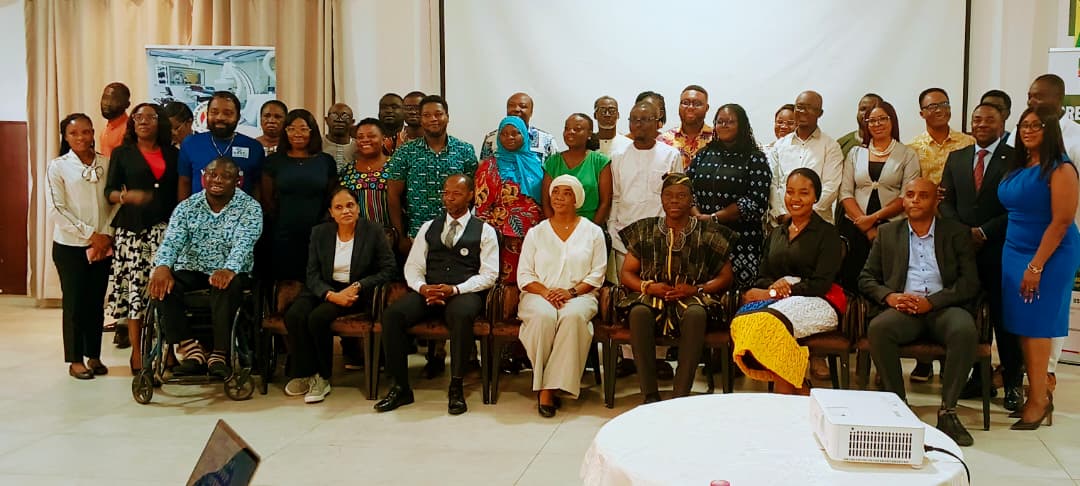
Health sector Civil Society Organisations (CSOs), patient advocacy groups, and government stakeholders have called for greater transparency, predictable financing, and stronger institutional coordination in the rollout of the Ghana Medical Trust Fund (GMTF)—popularly known as MahamaCares—and the Free Primary Health Care (FPHC) policy.
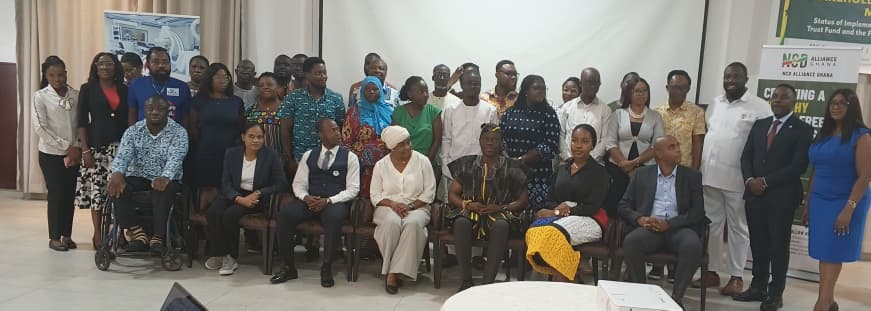
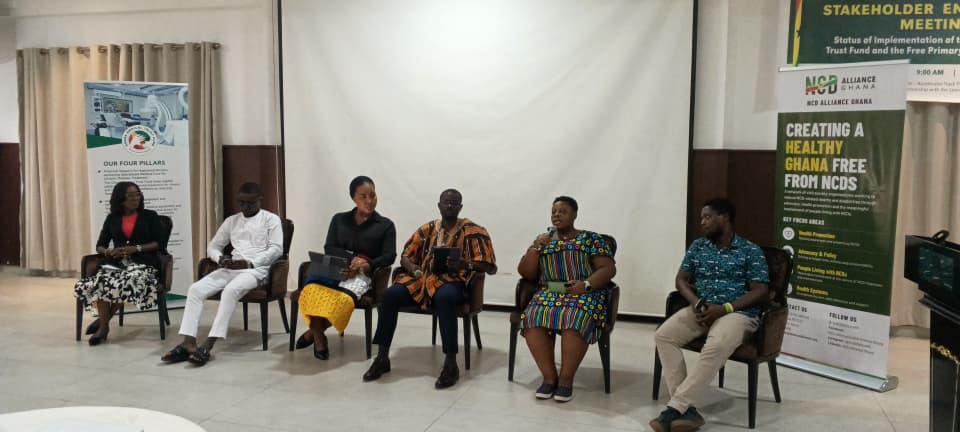
The demands were made on Thursday, November 12, 2026, at a high-level multi-stakeholder engagement meeting held at the Mensvic Hotel in Accra.
Convened by the Non-Communicable Diseases (NCD) Alliance Ghana in collaboration with the Ministry of Health, the forum brought together officials from the National Health Insurance Authority (NHIA), the GMTF Secretariat, Community Health Management Committees, development partners, and people living with NCDs to move beyond general policy awareness and evaluate real-world implementation gaps.
Delivering the keynote address on behalf of the Chairperson of NCD Alliance Ghana, Dr. Mrs. Beatrice Wiafe Addai, Mr Labram Musah emphasised that while establishing the Trust Fund under the Ghana Medical Trust Fund Act, 2025 (Act 1144) is a laudable step toward Universal Health Coverage, policies must ultimately be judged by their tangible human impact rather than budgetary allocations.
“The success of MahamaCares should not be measured by the money allocated to the Fund, but by the number of lives saved and families protected from financial catastrophe,” Dr. Wiafe Addai stated in her address.
With non-communicable diseases—such as cancer, cardiovascular diseases, diabetes, and chronic respiratory illnesses—accounting for approximately 45% of all deaths in Ghana, Dr. Wiafe Addai warned that late diagnoses and prohibitive treatment costs continue to force patients to abandon care.
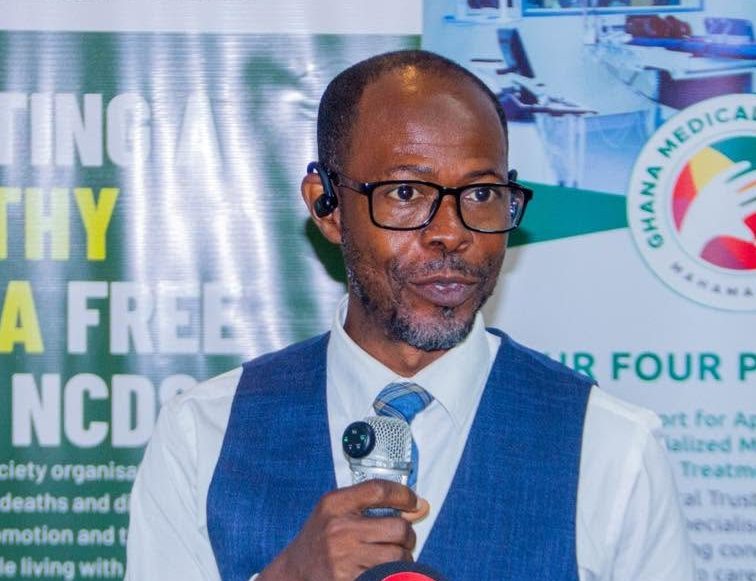
She stressed that the complementary Free Primary Health Care policy must look beyond treating malaria and common infections to deliberately integrate breast and cervical cancer awareness, early screening, tobacco and alcohol control, mental health support, and functional referral pathways.
“Free primary healthcare must mean more than free consultations. It must mean prevention, early detection, timely referral and continuity of care,” she added, urging authorities to treat civil society and patient groups as essential implementation partners rather than mere observers. “We must ensure that no Ghanaian is condemned to die simply because they cannot afford the cost of staying alive.”
Trust Fund Defends Rollout, Cites Infrastructural and Clinical Milestones
Responding to concerns regarding perceived information gaps and accessibility bottlenecks, Dr. Mariam Sumailah, presenting on behalf of the GMTF Secretariat, maintained that the Fund is actively bridging critical specialist and infrastructural deficits across the country.
She noted that an average Ghanaian family faces roughly five years of severe financial strain following a chronic NCD diagnosis, and revealed that over $59 million is required over three years to close existing healthcare infrastructure gaps.
“We envision that we will have a healthier society where every citizen has access to specialist medical care for the management and treatment of long-term health issues,” Dr Sumailah said.
According to operational data presented by Dr Sumailah, the Fund’s digital application portal (GMTF Care App) has registered over 1,046 beneficiaries since going live, recording an approval rate of over 91% with more than 960 applications approved and over 500 patients currently receiving active care, including chemotherapy, radiotherapy, and specialised diagnostics.
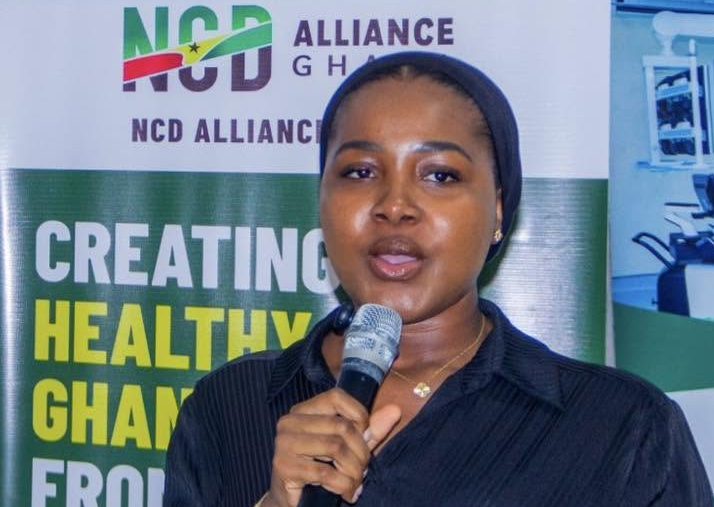
Over 390 medical specialists have been on board across teaching, regional, and quasi-government facilities—including Korle-Bu Teaching Hospital, 37 Military Hospital, and Tamale Teaching Hospital—alongside private diagnostic partners such as MDS Lancet and Christ Imaging to provide free-of-charge scans to beneficiaries.
Dr Sumailah further highlighted that the Fund’s four strategic pillars—medical bill support, infrastructure investment, human resource retention outside Accra and Kumasi, and localised medical research—are already yielding physical results, citing the 70% completion milestone of comprehensive cardiology and cardiac catheterisation centres at Korle-Bu and Tamale Teaching Hospitals.
Nonetheless, she said GMTF welcomed civil society feedback, describing participating organisations as vital “ambassadors” needed to disseminate accurate information at the community level.
Closing the Coordination Gap
Despite the milestones reported by the Secretariat, participating CSOs and patient advocates noted that fragmented data sharing and communication barriers continue to hinder seamless access for vulnerable populations, particularly in rural and underserved districts.
Stakeholders urged authorities to harmonise operations between the National Health Insurance Scheme (NHIS) and the Trust Fund, calling for the removal of administrative barriers that restrict dual-access benefits.
The forum resolved with a commitment to develop a multi-stakeholder consensus communiqué and monitoring roadmap aimed at safeguarding the long-term fiscal sustainability of both MahamaCares and the Free Primary Health Care policy.
Source: Felix Nyaaba/expressnewsghana.com
About Author