
Bagbin Challenges Ewe Diaspora to Turn Cultural Network into Investment Powerhouse
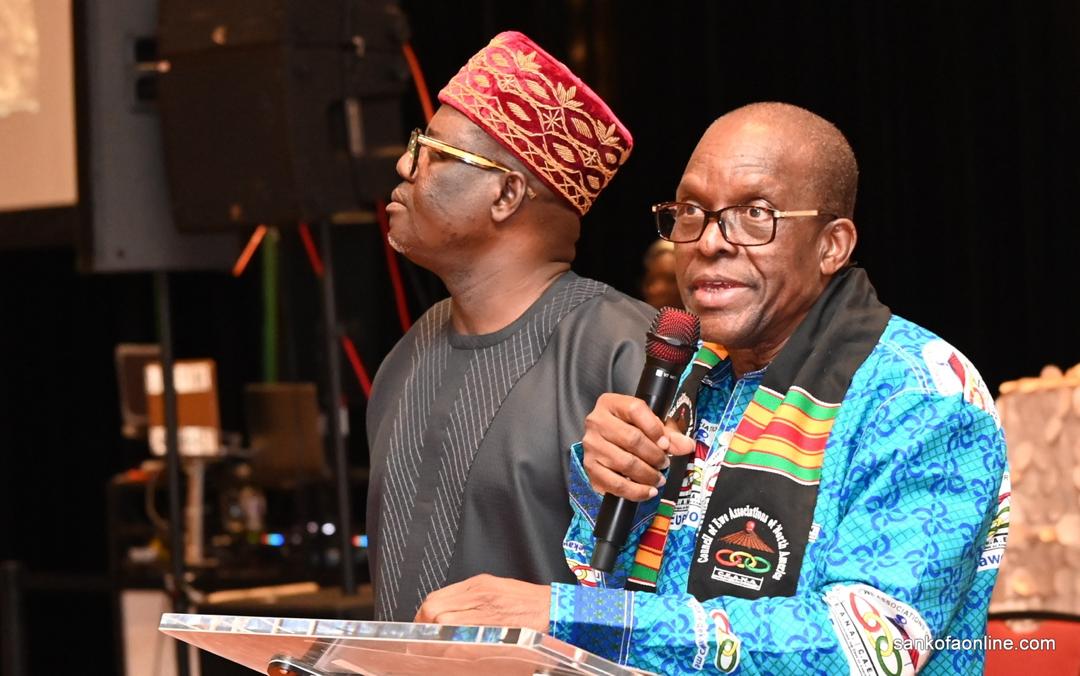
The Speaker of Parliament, Rt. Hon. Alban S. K. Bagbin, has challenged the Ewe diaspora to transform its extensive cultural and social networks into a powerful platform for investment, job creation and sustainable economic development in Ghana.
He said the diaspora must move beyond the traditional practice of sending remittances home and instead channel its collective resources, expertise and connections into productive ventures capable of creating sustainable wealth and improving livelihoods.
“You have shown that culture should not only bring people together to celebrate. It can also bring people together to develop,” Speaker Bagbin said.
He made the call as Special Guest of Honour at celebrations marking the 33rd anniversary of the Council of Ewe Associations of North America (CEANA) in Washington, DC.
Speaker Bagbin commended CEANA for its contribution to Ghana’s development since its establishment in 1993, particularly its interventions in education, healthcare and community development.
He noted that CEANA had supported scholarships and contributed to the construction of schools, libraries and other community facilities in various parts of Ghana.
However, he urged the organisation to take its contribution to another level by deliberately connecting its extensive diaspora network to investment and development opportunities in Ghana.
According to him, CEANA and similar diaspora organisations could serve as strategic platforms for bringing together traditional leaders, investors, universities, healthcare institutions, technology companies and development partners to support Ghana’s development.
He said such partnerships could unlock opportunities in critical sectors including agriculture, tourism, infrastructure, technology and enterprise development.
Speaker Bagbin stressed that the Ewe diaspora possessed considerable human, financial and professional resources that, if properly coordinated, could have a significant impact on Ghana’s economic transformation.
The Member of the Council of State representing the Volta Region, H.E. Gabriel Tanko Kwamigah-Atokple, also backed the call, urging the Ewe diaspora to translate its strong connection with Ghana into measurable and transformative development.
He called for greater unity among traditional, political and community leaders, stressing that the development potential of the Volta Region could only be realised through collective action and a shared commitment to development.
Mr Kwamigah-Atokple said the region’s young people required practical opportunities rather than repeated assurances about Ghana’s untapped potential.
He said young people needed jobs, mentorship, access to markets and technology, as well as functioning institutions that could enable them to build sustainable livelihoods.
Asiama: Remittances Must Become Long-Term Capital
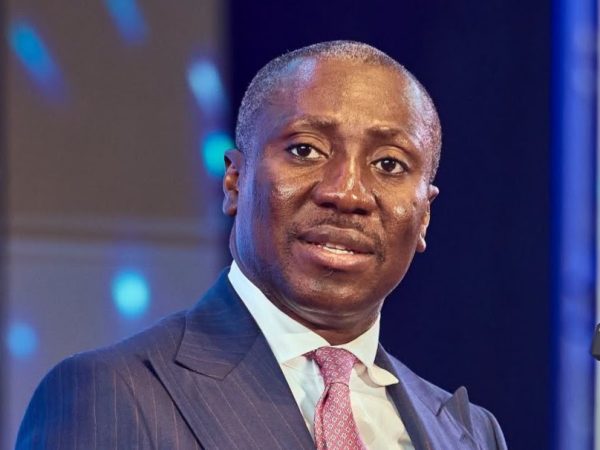
The Governor of the Bank of Ghana, Dr Johnson Asiama, also urged Ghanaians in the diaspora to leverage the country’s recent economic stabilisation to increase productive investment at home.
He said the improved macroeconomic environment provided a stronger foundation for diaspora investment but cautioned that economic stability should be viewed as a means to a more ambitious development goal.
“Stability is not the destination; it is the foundation,” Dr Asiama said.
He encouraged the diaspora to help convert Ghana’s remittance inflows into long-term capital capable of financing businesses, agriculture, technology and other productive sectors.
Dr Asiama disclosed that Ghana recorded about US$7.8 billion in remittances in 2025, underscoring the enormous financial potential of the Ghanaian diaspora.
He highlighted initiatives including the formalisation of International Money Transfer Operators, the Remit2Invest strategy and the Diaspora Engagement and Remittance Facilitation Office as mechanisms designed to support structured diaspora investment and channel remittances towards sustainable wealth creation.
He said the objective should be to ensure that remittances do more than meet immediate household needs by becoming a source of capital for businesses and investments that generate jobs and expand economic opportunities.
The annual CEANA gathering brought together prominent Ghanaian personalities and dignitaries, including Ghana’s former High Commissioner to the United Kingdom, Ambassador Victor Smith; H.E. Ben Dotsei Malor, Deputy Permanent Representative of Ghana to the United Nations; and Members of Parliament, among other guests.
The event provided a platform to celebrate CEANA’s contribution to the Ewe community and Ghana while highlighting the growing importance of diaspora networks in driving investment, development and economic transformation.
Source: Felix Nyaaba/ expressnewsghana.com
About Author