
Free Primary Healthcare Takes Medical Care to Ghanaians’ Doorsteps — NHIA Deputy CEO
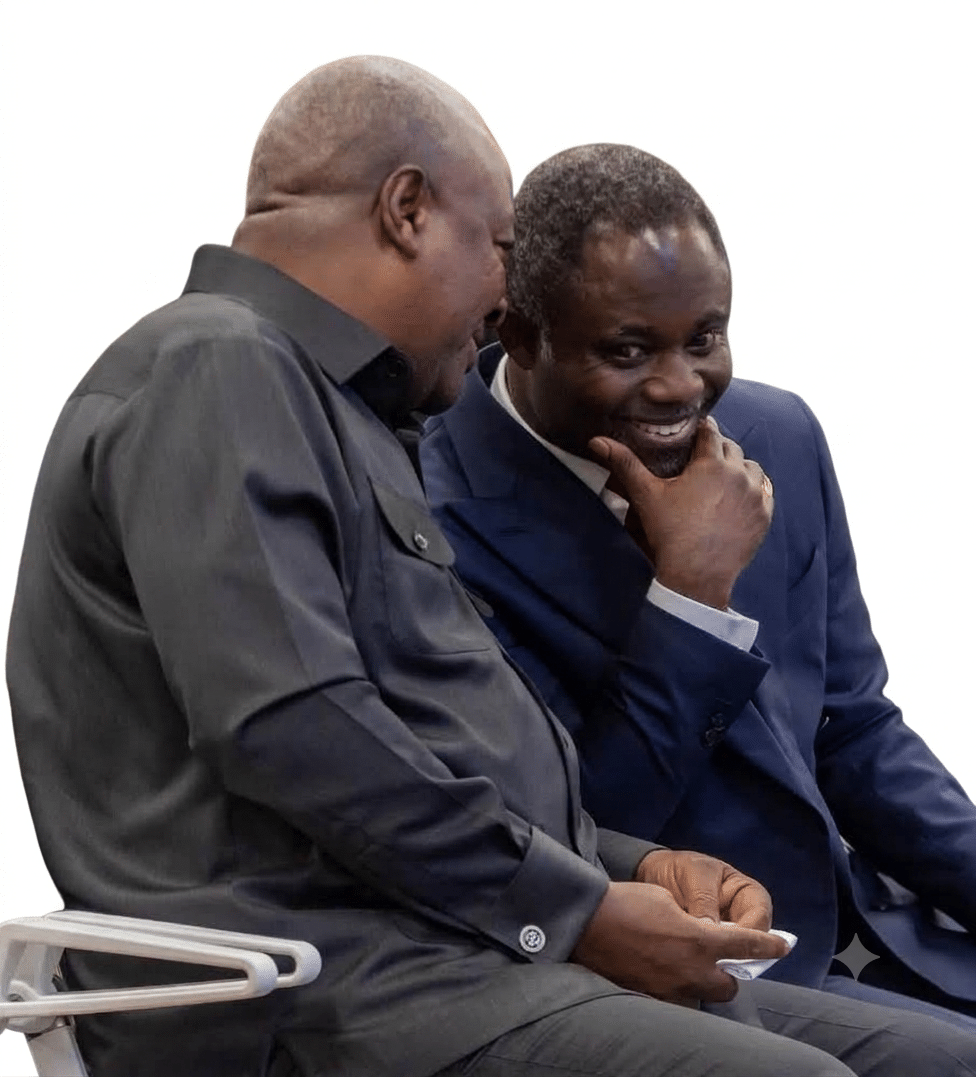
The Free Primary Healthcare Programme being implemented under President John Dramani Mahama’s administration is taking healthcare directly to underserved communities, with the National Health Insurance Authority (NHIA) describing the initiative as a major shift towards preventive and people-centred healthcare.
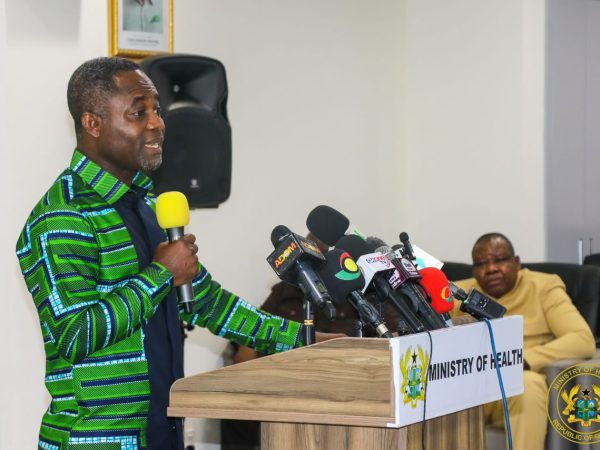
Deputy Chief Executive Officer of the NHIA, Ms Anatu Anne Seidu Bogobiri, Esq., said the programme is transforming the traditional approach to healthcare delivery by taking medical services beyond health facilities and directly into homes and communities.
She cited the case of a man in Fian in the Upper West Region who had reportedly lived with an open wound for 54 years without receiving proper medical attention, largely because he could not afford treatment and had no health facility within easy reach.
According to Ms Bogobiri, the man’s situation was a painful reflection of the challenges confronting many Ghanaians whose health conditions worsen because access to basic healthcare remains difficult.
“Today, that narrative is changing,” she said, stressing that under the Free Primary Healthcare Programme, healthcare was no longer simply waiting for patients to visit hospitals but was being taken to the people.
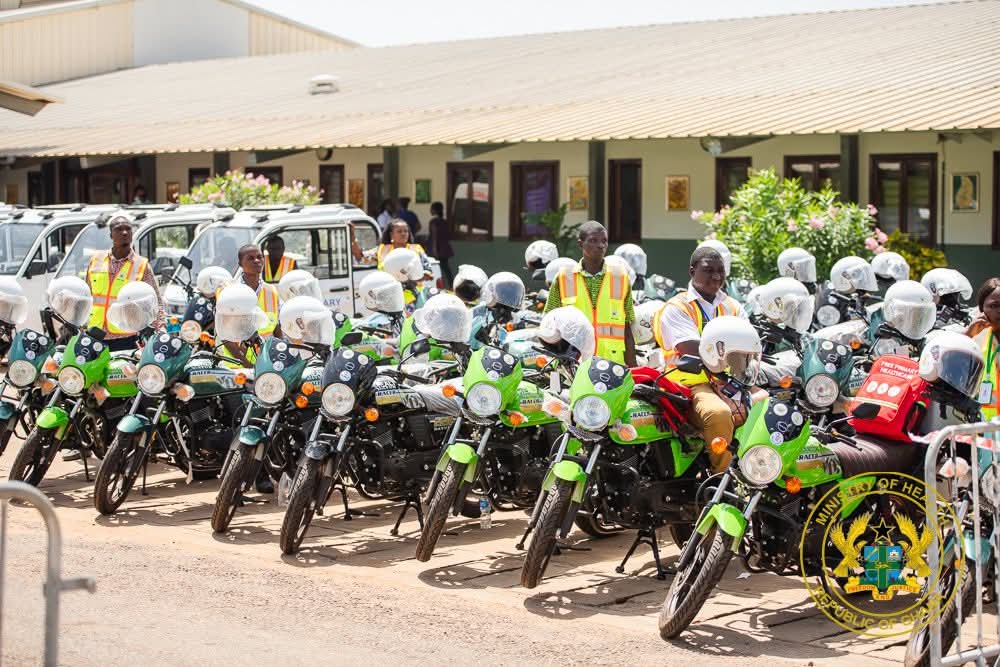
In Fian, a Free Primary Healthcare team led by the Director-General of the Ghana Health Service, Dr Samuel Kaba Akoriyea, reportedly traced the man to his home and provided him with medical care for the first time in more than five decades.
“This is what health equity looks like,” Ms Bogobiri said, describing the intervention as evidence of the potential of community-based healthcare to reach people who are often left behind by conventional facility-based systems.
She said the house-to-house approach, which she described as “medical evangelism,” could help improve early detection and treatment of diseases by bringing basic health screening closer to households.
Ms Bogobiri noted that routine checks for conditions such as hypertension, diabetes, anaemia and infections could help identify illnesses at an early stage, when treatment is generally more effective and less costly.
“Prevention is not only better than cure; it is cheaper and more effective,” she said.
She further argued that strengthening primary healthcare at the community level could help reduce pressure on district and secondary-level health facilities, allowing hospitals to concentrate more on specialist, emergency and complex cases.
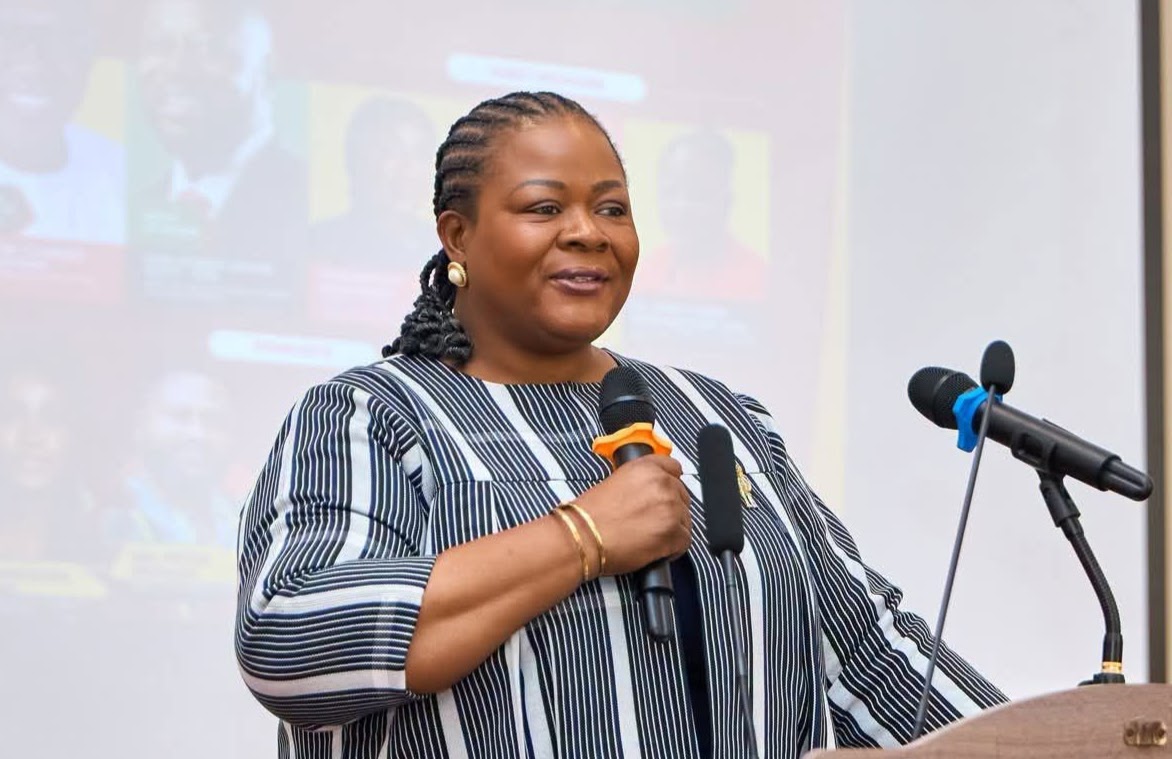
Ms Bogobiri also linked improved access to primary healthcare to national productivity, stressing that a healthy population was essential to the country’s economic transformation.
“A nation cannot reset its economy with a sick workforce. Healthy people build healthy economies,” she said.
She said regular home-based health checks could contribute to building a healthier and more resilient population while ensuring that vulnerable people do not have to wait until their conditions become severe before seeking treatment.
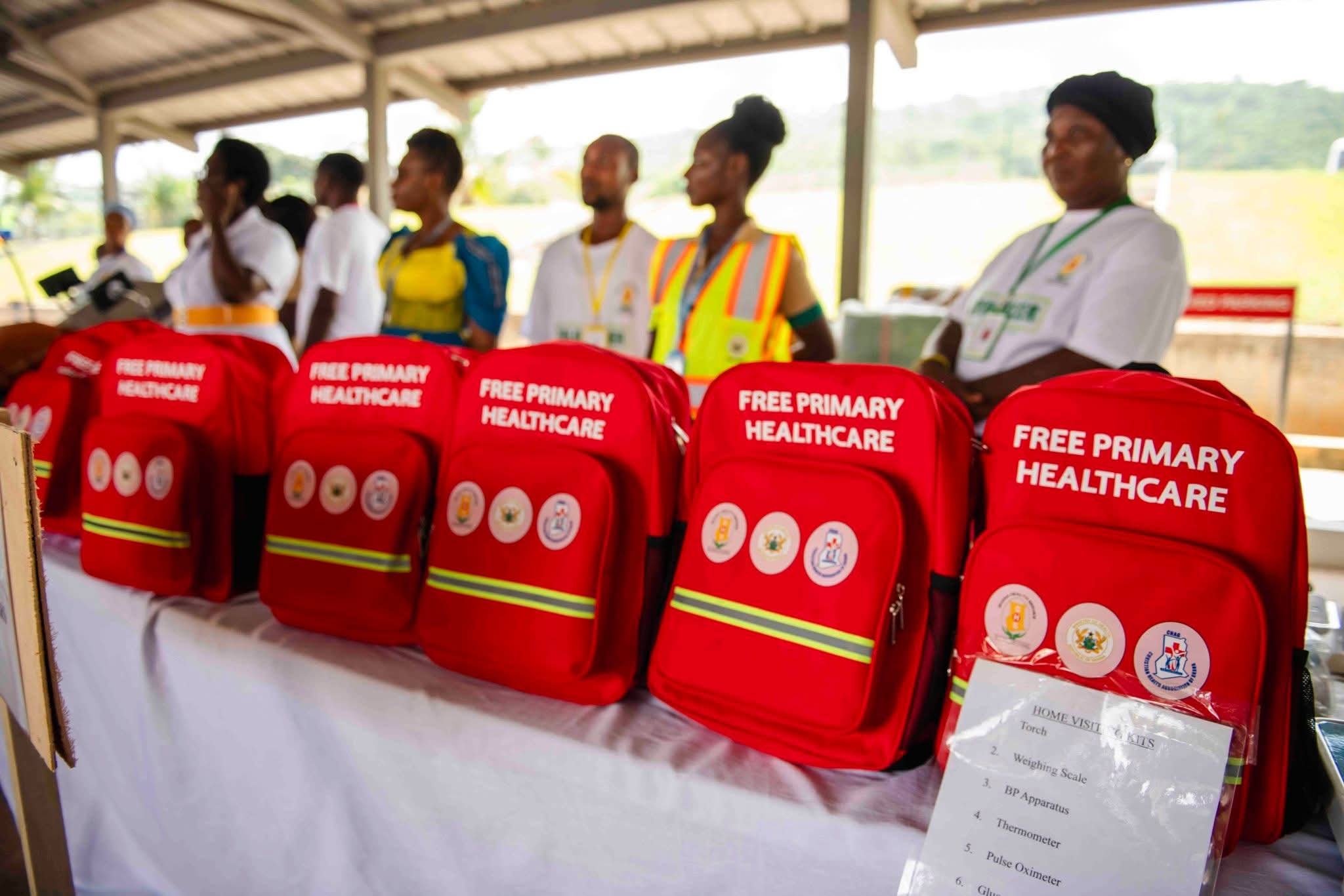
The NHIA Deputy CEO described the Free Primary Healthcare Programme as more than a healthcare project, saying it represented a fundamental shift from a predominantly curative approach to one that prioritises prevention, early intervention and community-based care.
“This is not just a programme. It is a public health intervention shifting from curative to preventive; from facility-based to people-centred care,” she said.
Ms Bogobiri commended President Mahama’s administration for what she described as a bold intervention in the health sector under the Reset Agenda.
“Primary healthcare at your door is not charity. It is right, and it is smart healthcare,” she stressed.
Source: Felix Nyaaba/ expressnewsghana.com
About Author