
2027 Budget Positions Ghana for Resilient Economy and Better Roads Infrastructure – Kwame Agbodza
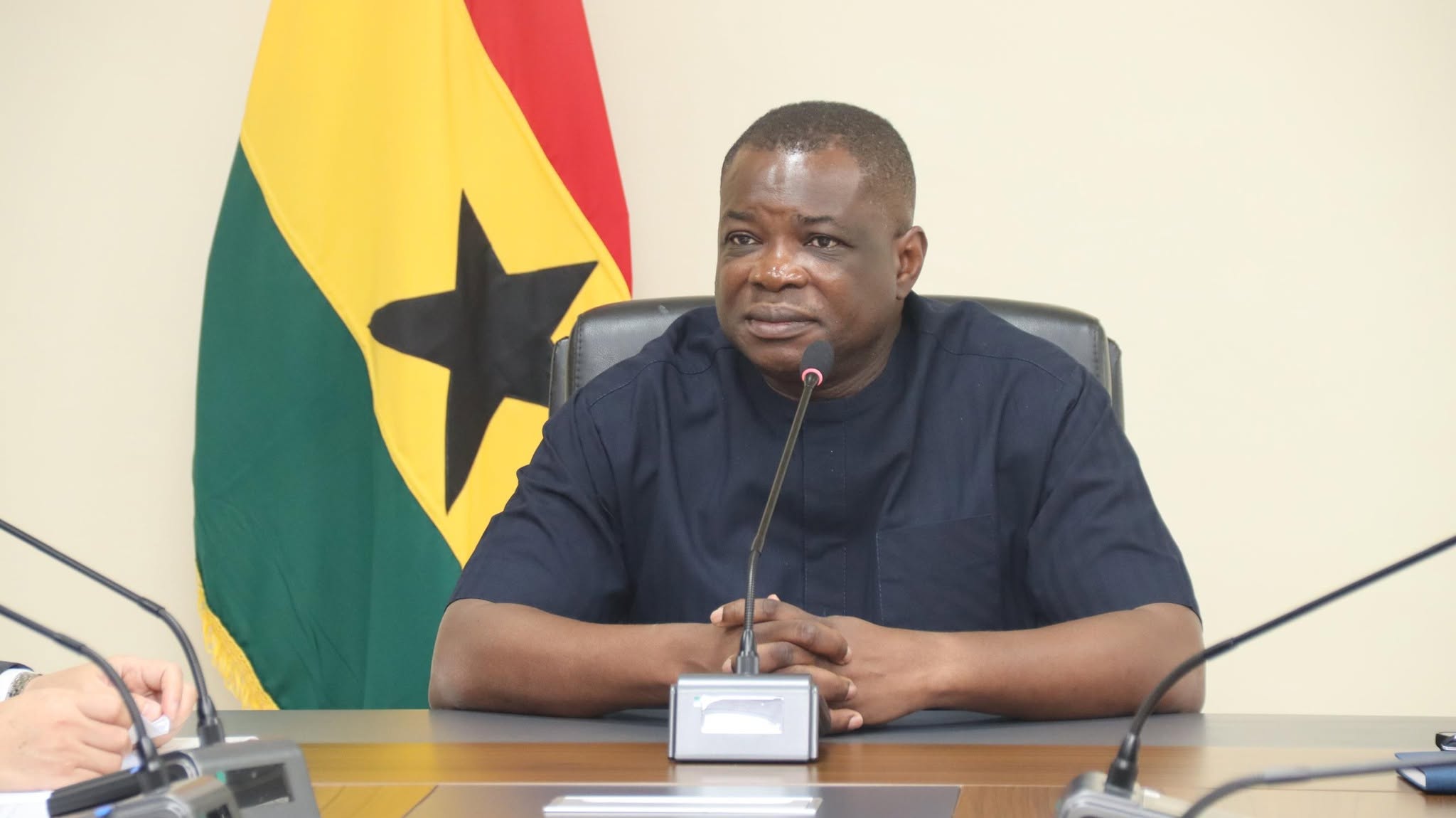
The Minister for Roads and Highways and Member of Parliament for Adaklu, Hon. Kwame Governs Agbodza, has described the 2027 Budget as a major boost to Ghana’s road infrastructure development, assuring Parliament that the government is committed to delivering durable roads, completing abandoned projects and expanding the country’s road network.
He said the government’s infrastructure agenda, particularly the Big Push programme and the proposed Accra–Kumasi Expressway, was firmly on course, with contractors actively working on several projects across the country.
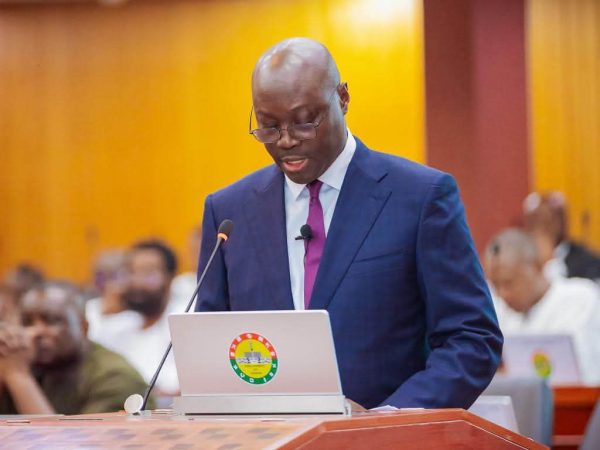
Contributing to the debate on the 2027 Budget Statement and Economic Policy presented by Finance Minister Dr Cassiel Ato Forson, Mr Agbodza said the government had made significant commitments towards road infrastructure, insisting that the scale of ongoing works demonstrated a renewed determination to address Ghana’s longstanding road challenges.
He dismissed claims that the government had borrowed money to undertake ongoing road projects, stressing that no loan-financed road project approved by Parliament was currently under construction.
“As we speak, there is no road project approved in this House through an ongoing loan. So, it is not true that we have borrowed money to do any road project,” he told Parliament, adding that the anticipated World Bank-supported project had not yet commenced.
The Minister also announced progress towards the construction of the Volivo Bridge, a project first introduced to Parliament in 2015 but subsequently abandoned.
According to him, the financial proposals for the bridge project are expected to be opened on Friday, paving the way for contractors to mobilise to the site next year, subject to the completion of the procurement process.
Mr Agbodza further announced that construction on the long-awaited Tamale–Walewale–Bolgatanga road corridor would begin before the end of 2026.

He criticised the previous administration for what he described as the failure of a road contract awarded to an Indian company, which allegedly received US$29 million in mobilisation funds but made little progress on the project.
“I have good news for Dr Bawumia and Honourable Kabiru. Before the end of this year, the entire stretch from Tamale to Bolgatanga will start construction,” he declared.
He also assured residents and motorists that work on the Accra–Kumasi Highway had resumed, insisting that the Mahama administration would not abandon the project.
“Let it be known that, as we speak today, contractors are back on the Accra–Kumasi Highway. President Mahama shall not abandon that project. That road will be completed,” he assured.
The Minister explained that the proposed Accra–Kumasi Expressway was not intended to replace the existing highway but would provide additional capacity to improve connectivity between the two major cities.

In what he described as a landmark infrastructure commitment, Mr Agbodza said Parliament had made provision for the entire funding requirement for the new, approximately 200-kilometre Greenfield expressway.
“For the first time in our history, by the dictates of this House, we have set aside the entire amount of money that is required to build the Accra–Kumasi Expressway,” he said.
He expressed confidence that, with the necessary support and effective implementation, motorists could begin using sections of the new road by the end of 2028.
The Minister described the proposed expressway as a major national legacy project, arguing that Ghana needed to move beyond incremental road improvements and invest in transformative infrastructure.
“For 70 years of our nationhood, the road that we have all been excited about was just the 19 kilometres Dr Nkrumah left for us on the Accra–Tema Motorway. President Mahama, as a sign of commitment to Ghanaians for our 70th anniversary, shall build a brand-new, almost 200-kilometre road on a greenfield from Accra to Kumasi,” he stated.
Big Push projects on schedule turning to the government’s flagship Big Push infrastructure programme, Mr Agbodza rejected suggestions that the projects were progressing slowly, maintaining that implementation remained on schedule.
He explained that contracts for the projects were signed around December 2025, with several contractors moving to their respective sites in January 2026, meaning many of the projects had not yet completed their first year of construction.
He said available progress reports indicated that some contractors had achieved between 70 and 80 per cent completion on their respective projects.
“Big Push is on track,” he emphasised, commending contractors who had remained committed to working around the clock to meet project deadlines.
The Minister also highlighted the employment opportunities being generated by the programme, revealing that contractors had recruited several young engineers, including graduates from the Kwame Nkrumah University of Science and Technology (KNUST).
He said the ministry, with support from the German development organisation GIZ, was working to train more young people in technical and vocational skills required by the construction industry.
According to him, the government was responding to a growing demand for skilled workers, as some contractors were struggling to secure enough equipment operators, masons and other technical personnel to support ongoing projects.
He identified the Koforidua Technical Centre as one of the institutions expected to contribute to the training drive, with additional support from the German government.
Contractors face termination for poor performance Mr Agbodza warned that the government would not tolerate contractors who collect mobilisation funds but fail to deliver on their contractual obligations.
He said although the Big Push projects were adequately funded by Parliament and contractors were being paid promptly, the ministry had identified some contractors whose performance did not match the resources made available to them.
He disclosed that the government had more than 7,000 contractors on its books and would not hesitate to terminate contracts of underperforming companies to create opportunities for capable contractors.
“No contractor shall be bigger than the government or the state. You are our employee, and you must either work or step aside,” he cautioned.
He added that the ministry would no longer allow major infrastructure projects to be abandoned whenever there was a change of government, describing the practice as a longstanding challenge that had undermined road development under successive administrations.
The Minister urged contractors to recognise that road projects were national assets rather than political achievements belonging to any particular administration.
Calls for parliamentary monitoring and accountability: Mr Agbodza also appealed to Members of Parliament, particularly those representing constituencies where Big Push projects were being executed, to take a direct interest in monitoring progress.
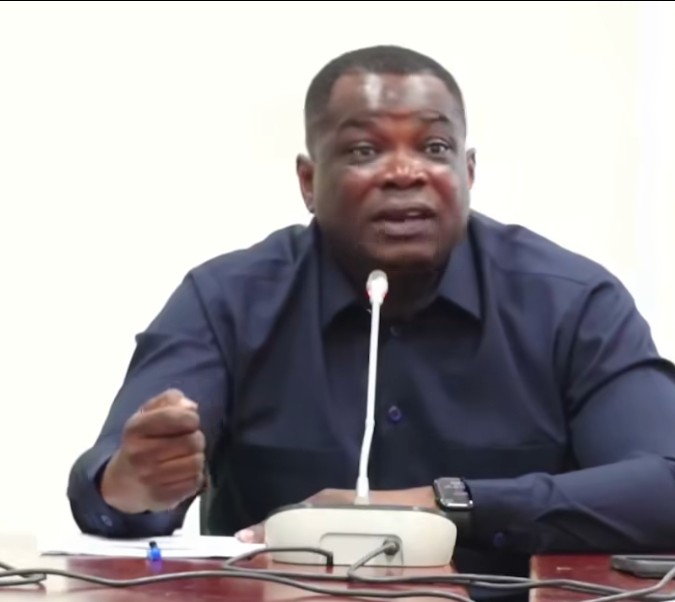
He urged MPs to visit project sites, engage contractors and provide feedback to the ministry rather than limiting their oversight to parliamentary debates.
He cited the Pokuase Interchange, the Winneba Junction project and the Dambai Bridge as examples of major infrastructure projects requiring consistent monitoring by legislators and local authorities.
He further announced plans to strengthen accountability in road construction by making the identities of contractors and their beneficial owners publicly known.
According to him, the measure would ensure that companies responsible for poorly constructed roads could be identified and held accountable, while those delivering quality infrastructure would receive public recognition.
“We want the public to know the name of the contractor. No more X, Y, Z Limited, when the actual beneficial owner is known. If the road is good, you will be praised. When it fails, people will call you names,” he said.
He stressed that the government was determined to construct roads that could last at least 20 years, warning against the practice of building roads that deteriorate within months of completion.
Mr Agbodza acknowledged that the government was not without challenges and welcomed constructive criticism that could help improve the delivery of infrastructure projects.
He assured MPs that the ministry had not forgotten constituencies still facing serious road challenges, promising that interventions would be implemented progressively.
He concluded by describing the ongoing road infrastructure programme as a collective national investment rather than an achievement belonging exclusively to President John Dramani Mahama or the governing party.
“Every project of the Big Push that is in your area is your project. It is not my project; it is not President Mahama’s project. Today, if we finish the Twame Interchange and you are going to Kumasi, will you use a different route? It is our road,” he told the House.
He expressed optimism that the scale and quality of road infrastructure development underway would leave a lasting legacy for future generations of Ghanaians.
Source: Felix Nyaaba/expressnewsghana.com
About Author