IDEAS GHANA Empowers Komaka Women to Turn Sweet Potatoes into Nutritious Meals for Children
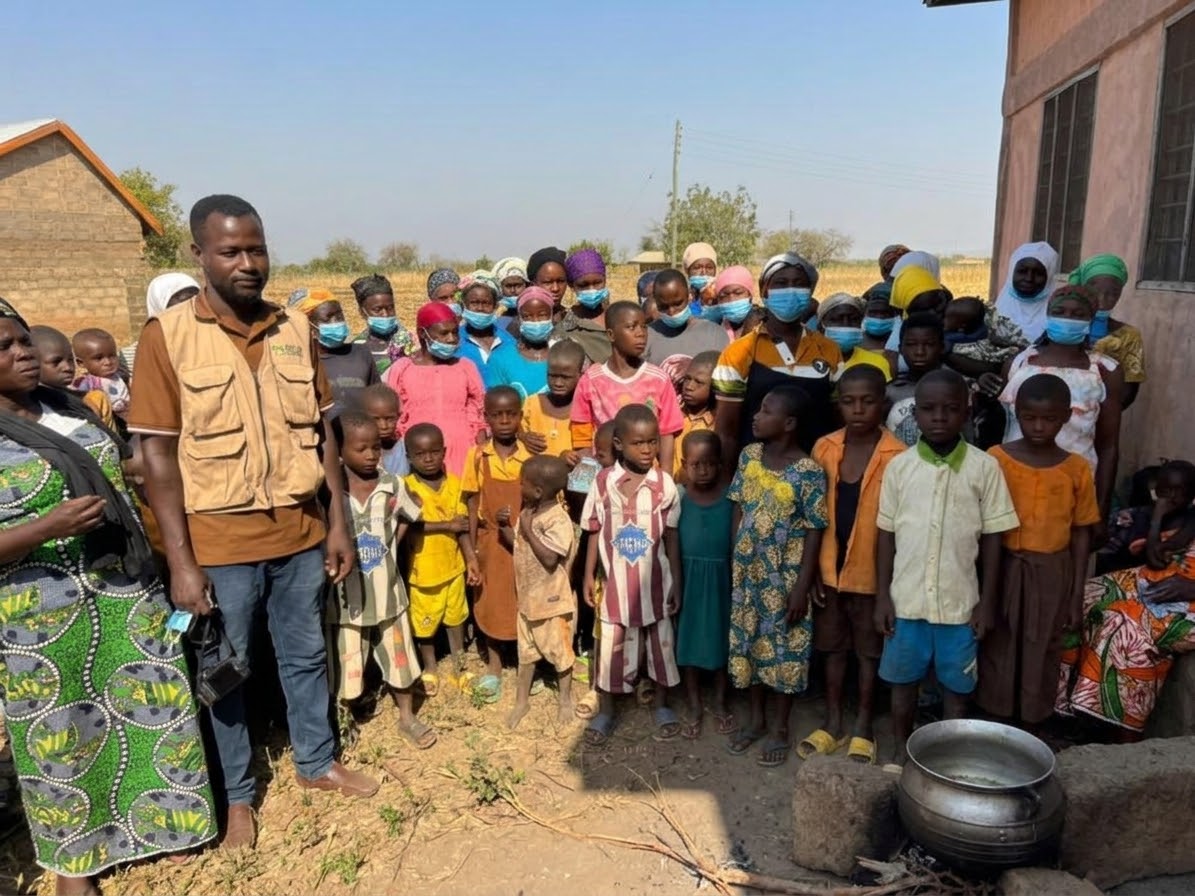
Women in the Komaka community in the Bawku West District of the Upper East Region have received practical training in preparing nutritious meals from orange-fleshed sweet potatoes as part of efforts to improve child nutrition and promote the consumption of locally available food resources.
The initiative, organised by IDEAS GHANA and sponsored by Kinda Mission Germany, forms part of a broader project aimed at improving children’s access to nutritious foods, particularly in communities facing significant nutrition challenges.
Speaking during the training, Project Coordinator of IDEAS GHANA, Daniel Aniah, said Komaka was selected because of the community’s vulnerability to child malnutrition.
He explained that the project was designed to equip vulnerable mothers with the knowledge and practical skills to cultivate nutrient-rich crops and incorporate them into their children’s diets.
“The aim of this project is to promote children’s access to the needed nutritional foods. Children are everywhere, and we wish this project could be extended to the whole of the Upper East Region so that they can also benefit from the knowledge and support we are bringing to the communities,” he said.
Mr Aniah noted that funding constraints had initially limited the intervention to communities where nutrition challenges were considered more prevalent.
“Looking at the statistics, I can confidently say that Bawku West is lacking in terms of child nutrition. Basically, this is the reason the project was brought here to Komaka,” he stated.
He added that IDEAS GHANA was also supporting vulnerable mothers to cultivate and preserve nutrient-rich crops so they could sustainably improve household nutrition.
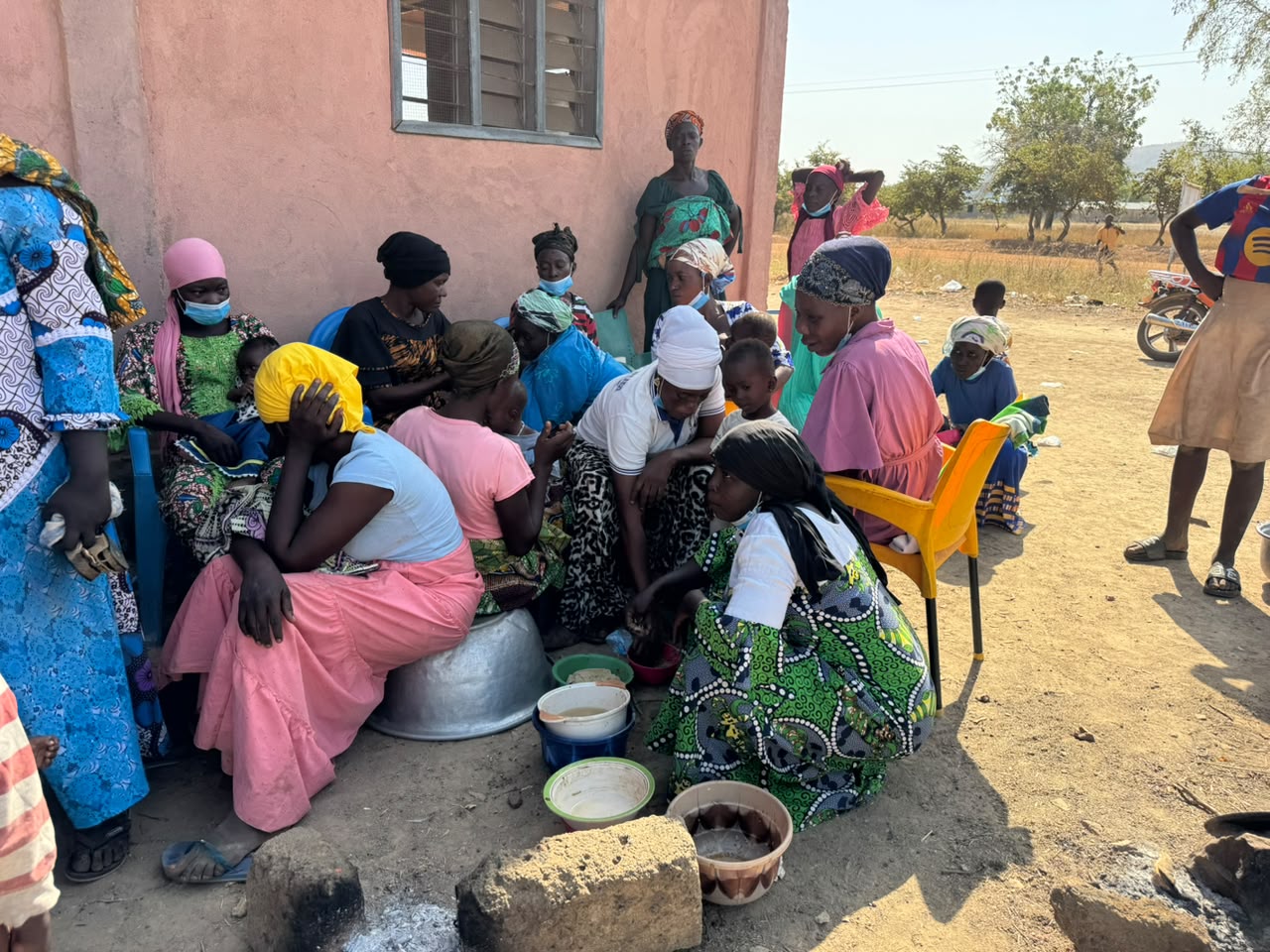
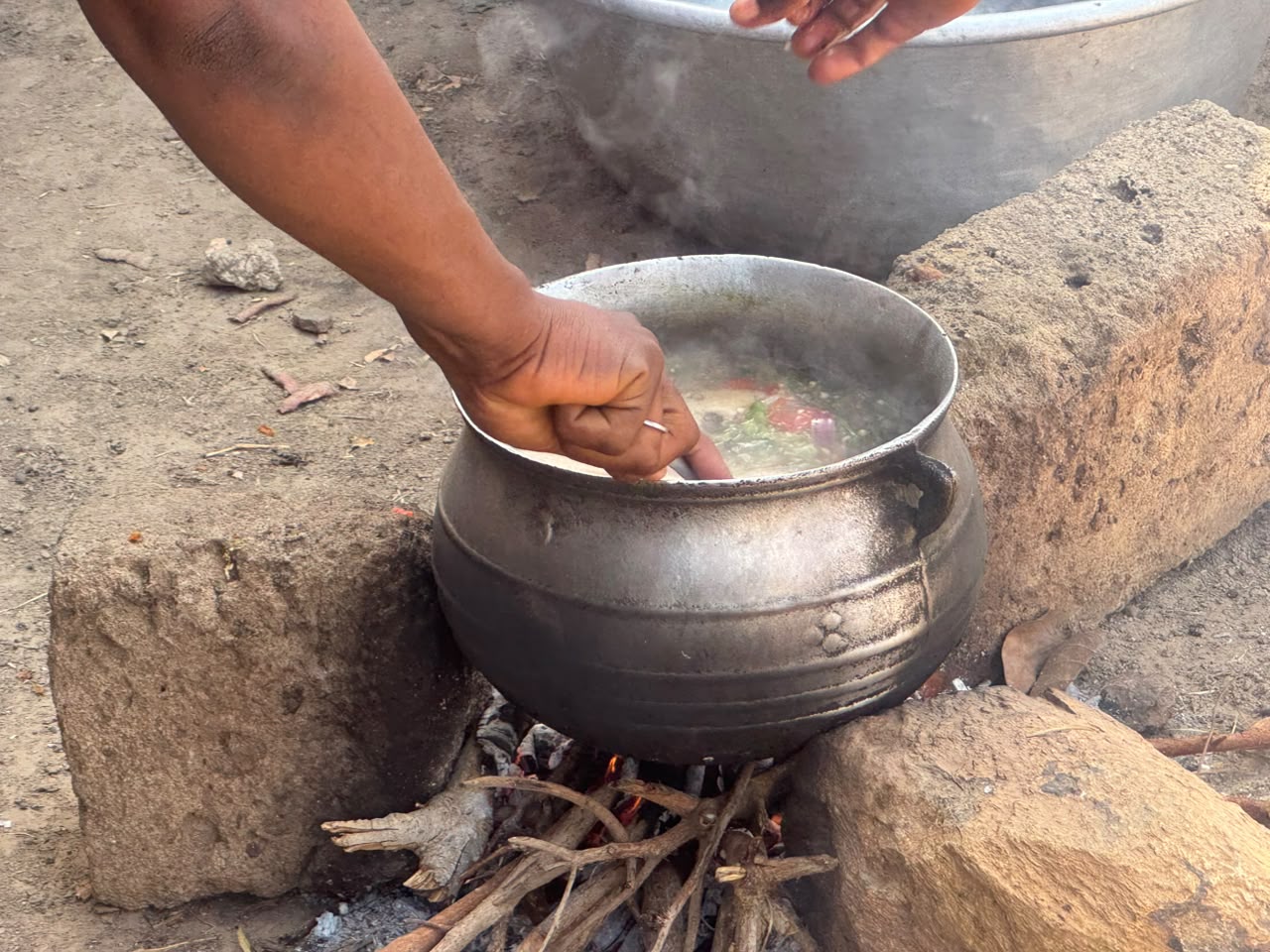
As part of the programme, IDEAS GHANA engaged Madam Immaculate Akake, a specialist in orange-fleshed sweet potato varieties, to lead a practical cooking demonstration, introducing participants to different ways of transforming the crop into nutritious meals for children and other family members.
Madam Akake emphasised that good nutrition was fundamental to the health, productivity and economic wellbeing of families.
“Nutrition is very essential in the family. Without proper nutrition, people will not have enough income because when nutrition is lacking, we fall sick often and have to spend the little income we have on treatment,” she explained.
She said the demonstration was intended to encourage women to make better use of locally available food resources while sharing the knowledge with other households.
“Today, together with IDEAS GHANA, we are using orange-fleshed sweet potatoes to demonstrate their utilisation, which is part of nutrition education. We are doing this in the Komaka community to train our fellow women so that they can go back to their various homes and make an impact,” she said.
One of the participants and a community volunteer, Salamatu Razak, expressed appreciation for the training, describing it as an opportunity to acquire practical knowledge that would benefit other women in the community.
“I have learned a lot from this cooking demonstration on orange-fleshed sweet potatoes. With this knowledge, I can go back to my community and educate my fellow women,” she said.
The Assembly Member for the Komaka Electoral Area, Abariche Adams, also commended IDEAS GHANA for extending the initiative to the community and pledged to support the cultivation of orange-fleshed sweet potatoes during the next farming season.
“I am happy that IDEAS GHANA selected my community to benefit from this cooking demonstration. I will take the lead in the cultivation of orange-fleshed sweet potatoes in the next rainy season to help my people get access to nutritious foods,” he assured.
The intervention is expected to benefit approximately five communities in the Bawku West District, including Komaka, Bugure, Guzesi and Kameha.
Through the combination of nutrition education, practical cooking demonstrations and support for local cultivation, the project seeks to empower women with sustainable ways of improving household diets and addressing child malnutrition.
Source: Joseph Napoleon Anaaya
About Author