

Ghana’s Nuclear Centre Offers New Hope for Agricultural Productivity — Prof. Dampare
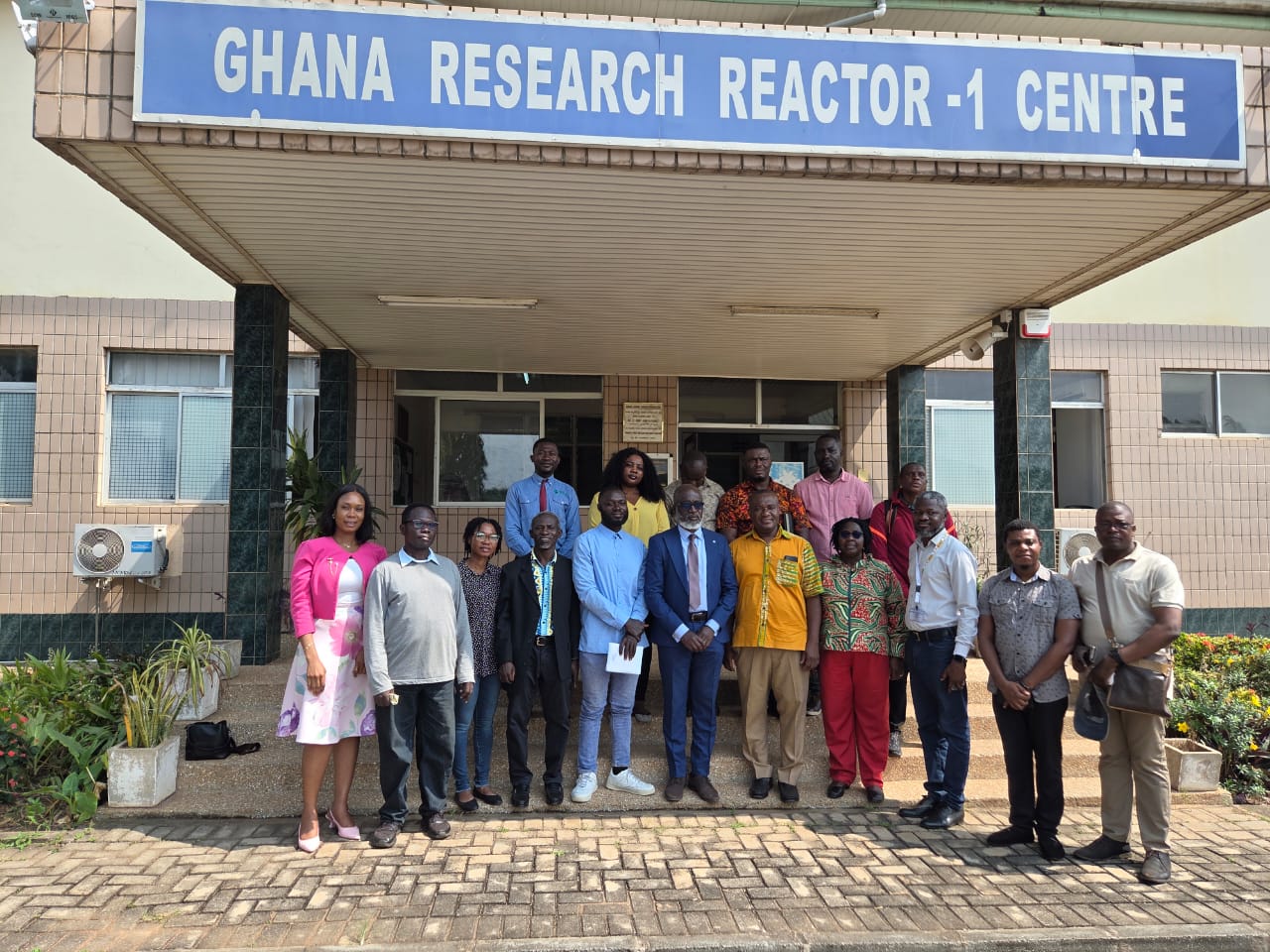
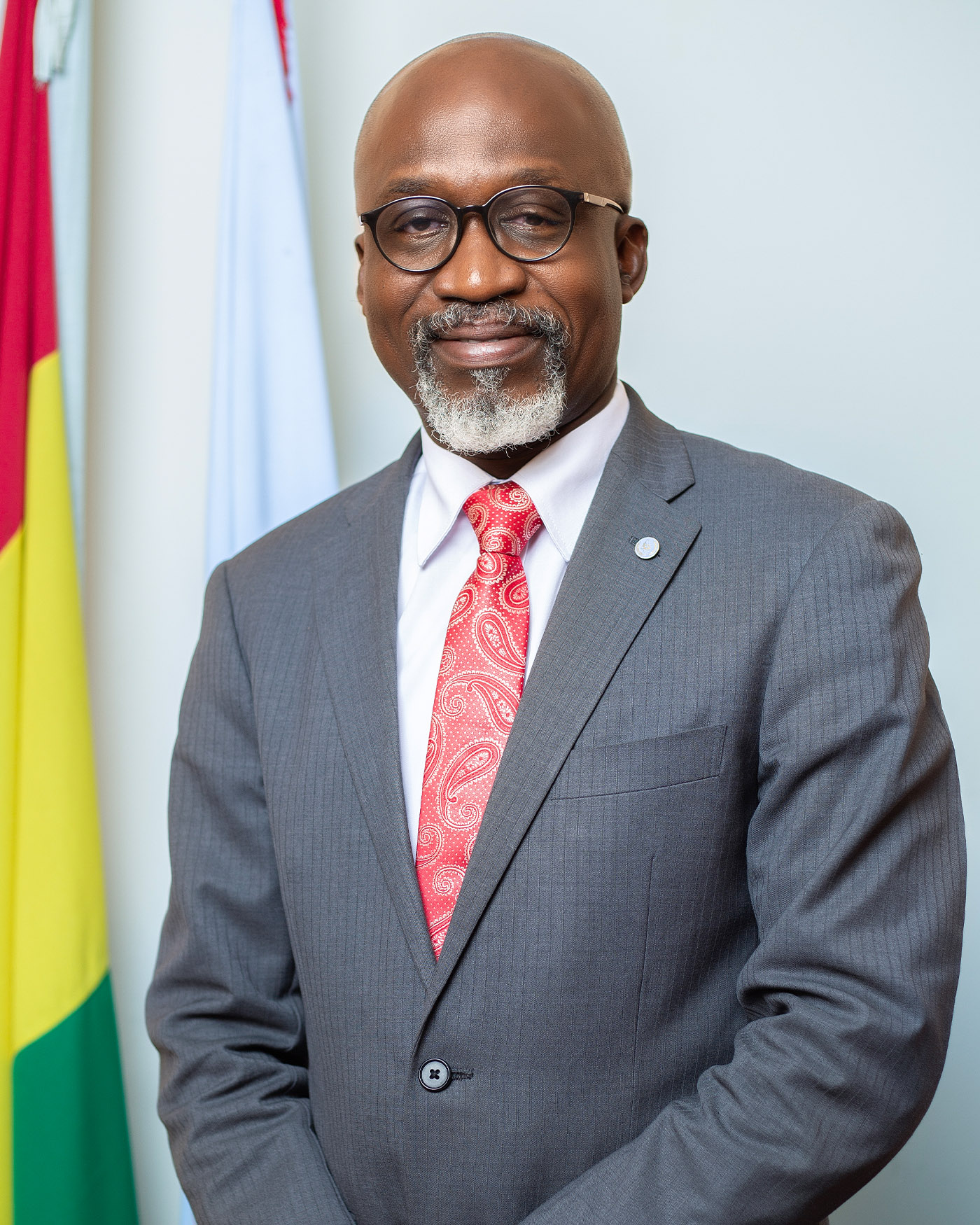
The Director-General of the Ghana Atomic Energy Commission (GAEC), Prof. Samuel Boakye Dampare, has revealed that Ghana’s Nuclear Reactor Centre possesses advanced technologies capable of transforming the country’s agriculture and agribusiness sector.
According to him, the facilities at the centre can support research and innovation in crop improvement, plant disease management, tissue culture, food preservation and other agricultural applications, potentially helping Ghana improve productivity and strengthen food security.
Prof. Dampare disclosed on Tuesday, August 18, 2026, when more than 40 journalists from various media houses in Accra toured Ghana’s nuclear facilities as part of activities under the Nuclear Power Programme of Ghana.
He said the Commission was working to move beyond conventional radioactive sources towards modern machine-based technologies, including electron-beam facilities, which could broaden the country’s capacity for industrial and agricultural applications.
“We need this facility in the country,” Prof. Dampare told the journalists, stressing the importance of public support and awareness as Ghana advances its nuclear technology programme.
He explained that the centre has also gained international recognition for its work in plant genetics, noting that the International Atomic Energy Agency has designated the facility as a collaborative centre for mutation breeding and plant genetics.
“This place has been designated by the International Atomic Energy Agency as a collaborative centre for mutation in plant genetics. So we bring people from other African countries for training here,” he said.
Prof. Dampare said the Commission was using tissue culture technology to produce improved planting materials for crops including plantain, banana and pineapple, which could subsequently be transferred to farmers for cultivation.
He further disclosed that researchers at the facility were using genome-editing techniques to develop improved crop varieties, including tomatoes with reduced water content.
“We have three experts in the country. They are all here,” he said, explaining that the scientists were targeting specific genes in tomatoes to reduce excessive water content and improve the characteristics of the crop.
He expressed optimism that the ongoing research could yield positive results before the end of the year, adding that scientists were also working on improved rice varieties.
Beyond agriculture, Prof. Dampare said the Atomic Energy Commission was contributing to healthcare through research and nuclear medicine, including efforts to expand radiotherapy services for cancer treatment.
He disclosed that discussions were ongoing to establish radiotherapy centres, including one in Tamale, as part of efforts to improve access to cancer treatment.
The Director-General also highlighted the wider applications of Ghana’s 34-kilowatt research reactor, explaining that it could be used for scientific investigations involving soil, water, hair and other samples.
“We can take soil samples. We can take water samples,” he said, adding that the reactor could also support forensic investigations by helping scientists analyse biological samples and identify their elemental composition.
Prof. Dampare noted that the Commission was also playing an important role in training the next generation of nuclear scientists and engineers from Ghana and other African countries.
He said about 20 engineers and other professionals from across Africa were currently receiving training in Ghana, while countries including Nigeria, Kenya and Rwanda had also participated in programmes at the centre.
“We are doing a lot,” Prof. Dampare said, emphasising the Commission’s growing role in nuclear science, education, agriculture, healthcare, environmental monitoring and other areas of national development.
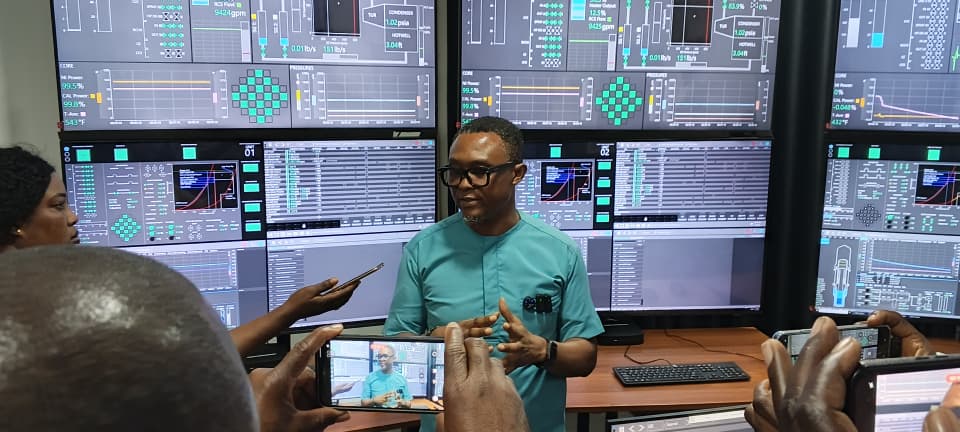
Meanwhile, Mr George Kwesi Appiah, Manager of the Nuclear Model Training Centre, said Ghana’s nuclear training infrastructure was among a limited number of such facilities globally.
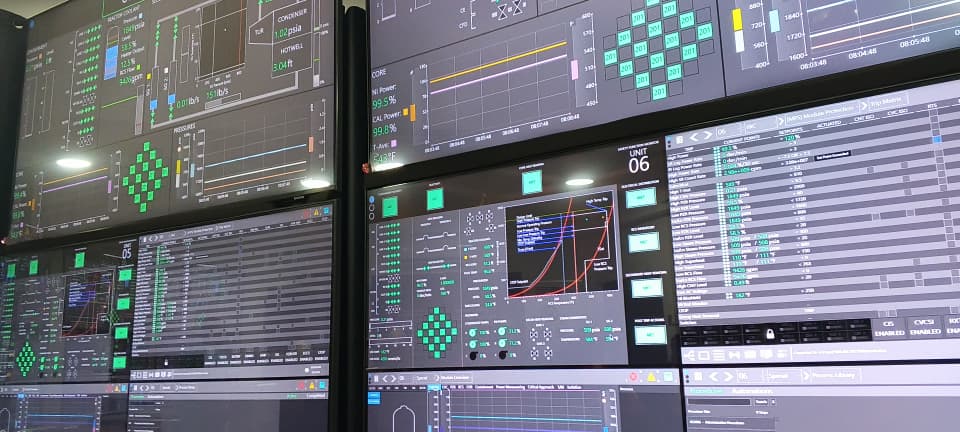
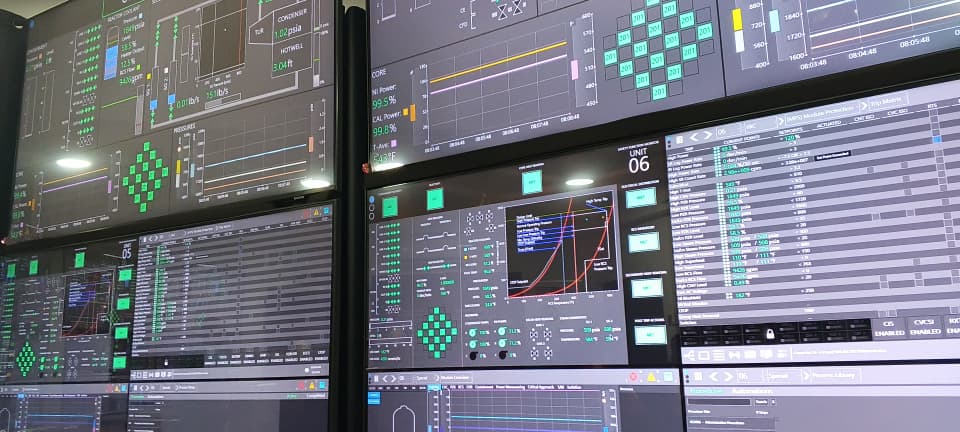
He explained that the nuclear model training centre was donated to Ghana by the United States to serve the African sub-region and operates as a simulator of the control room of a nuclear power plant.
“It’s not a real thing, but it mimics the control room,” Mr Appiah explained, adding that the simulator reproduces the functions and operations of a nuclear power plant control room.
He encouraged members of the public to visit the facility to gain a better understanding of how nuclear power plants operate.
On concerns about nuclear safety, Mr Appiah said modern nuclear technology had incorporated multiple safety features designed to prevent accidents and minimise risks.
He cited the Fukushima nuclear accident in Japan, explaining that the disaster followed an earthquake and tsunami that disabled the diesel generators intended to support cooling systems after the reactors had automatically shut down.
According to him, modern reactor designs have significantly enhanced safety systems, including passive safety mechanisms that can rely on natural forces such as gravity to shut down reactors when necessary.
He said small modular reactors also offered Ghana greater flexibility because they could be constructed in units and progressively integrated into the national grid.
“For a small modular reactor, look at it as a large reactor that has been broken down into 12 units,” he explained.
Mr Appiah said the modular approach would allow Ghana to put individual units onto the national grid as they become available, rather than waiting for an entire large-scale plant to be completed before electricity generation begins.
He also stressed the importance of expanding Ghana’s electricity grid to accommodate additional nuclear-generated power, noting that the stability and capacity of the grid would be critical to the successful integration of nuclear energy.
“If you are going to add [capacity], we have to keep studies to see if the grid can sustain the power and the environment,” he said.
The media tour formed part of efforts to deepen public understanding of Ghana’s nuclear energy programme, its safety mechanisms and the potential applications of nuclear science in national development. More than 40 journalists participated in the tour.
Source: Felix Nyaaba/ExpressNewsGhana.com
About Author