
Govt Trims Intake to Tackle Jobless Graduate Crisis and Boost Rural Healthcare- Health Minister
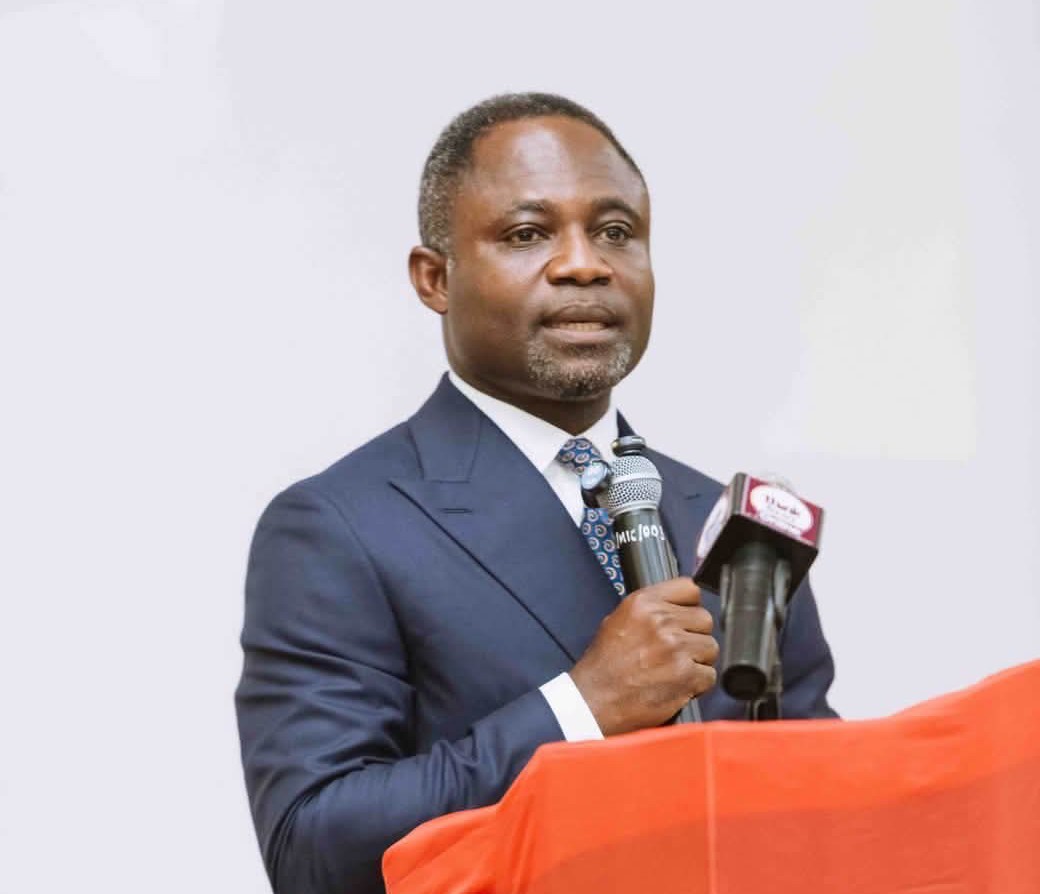
The Ministry of Health has announced plans to scale down student intake in health training institutions across the country to curb the growing backlog of unemployed healthcare graduates.
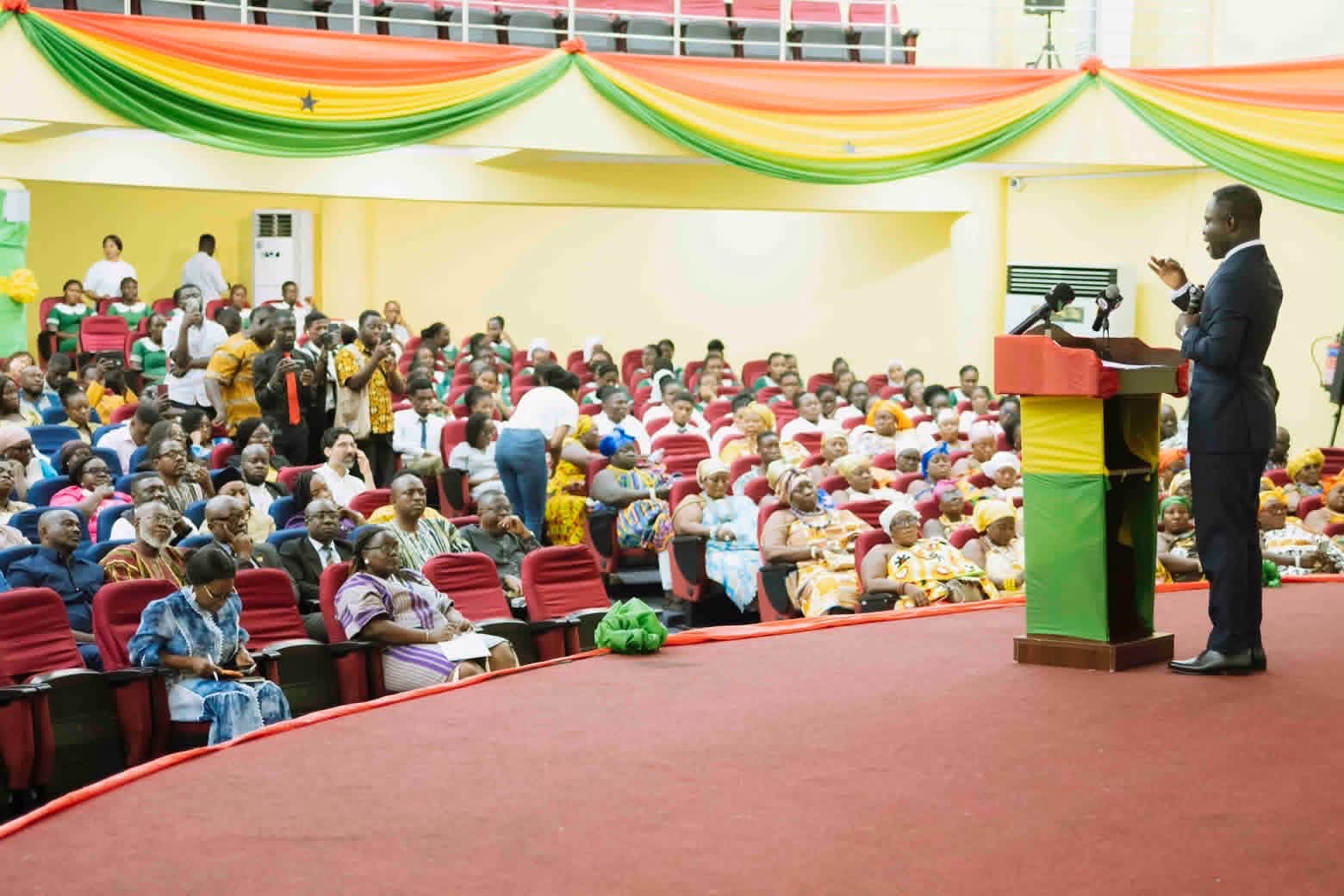
At the Health Sector Engagement forum in Accra on Wednesday, October 7, the Minister for Health, Hon Mintah Akandoh revealed that public and private health institutions admit tens of thousands of trainees annually, far exceeding the state’s yearly recruitment capacity.
”We are admitting more than 35,000 students every year from government health institutions, and private institutions admitted around 40,000 last year alone,” the Health Minister stated.
“In a single year, over 50,000 students are admitted into healthcare programs, but as a country, we cannot recruit more than 10,000 to 15,000 annually. If we are not careful, the backlog will keep ballooning.”
To solve the structural imbalance, the Ministry is executing a multi-pronged strategy: converting savings from lower student intake into recruitment slots, facilitating bilateral labor agreements abroad, and aggressively deploying medical personnel to underserved communities.
Aligning Admissions with Budgetary Capacity
The Minister emphasized that continuing to train healthcare personnel without securing employment is counterproductive.
By checking intake numbers, government funds can be redirected toward absorbing existing graduates onto the national payroll.
”What’s the point if a person is trained and remains unemployed?” the Minister questioned. “We want to reduce these admissions so the Finance Minister can convert those savings into recruitment slots.
That way, we gradually clear the backlog until numbers stabilize.”
External Labor Opportunities
Alongside domesticrecruitment adjustments, the Ministry is relying on external bilateral agreements through the Ghana Labour Exchange Program.
”We are signing MoUs with other countries to facilitate the movement of our health professionals to work abroad,” the Minister revealed. “We have signed about 13 of these agreements, with Colombia being the most recent. As these professionals travel, it creates the fiscal space needed to recruit more back home.”
Surge in Medical Doctor Postings to Rural Regions
Highlighting progress in equitable healthcare access, the Minister disclosed a significant jump in doctor deployments to historically deprived regions.
Prior policy efforts yielded minimal results, with many districts lacking a single resident medical doctor.
”In 2024, only 12 medical officers accepted postings across eight underserved regions, meaning some regions couldn’t even get two doctors,” the Minister explained.
“I resisted intense pressure and insisted that doctors accept postings to these priority areas. For 2025, after deployment, we have 100 medical officers who accepted postings to regions like the Upper West, Upper East, Oti, and Western North.”
Tackling On-the-Ground Infrastructure Challenges
Acknowledging the concerns raised by deployed professionals regarding living conditions, the Minister admitted that infrastructure deficits—particularly housing—remain a critical issue, but maintained that deployment could not wait for all problems to be solved first.
”There are legitimate issues, particularly regarding accommodation, and I agree with them,” the Minister said.

“However, let’s be realistic: we cannot say we must solve all these problems before deploying personnel to these areas. As we deploy them, the government must simultaneously work to address these issues.”
The Ministry noted that civic support and private philanthropy are already aiding efforts to improve living quarters and working conditions for newly posted doctors in deprived districts.
Source: Felix Nyaaba/expressnewsghana.com
About Author