


Ideas Ghana Launches Climate Resilience Project to Protect Yarigabisi Residents from Extreme Heat
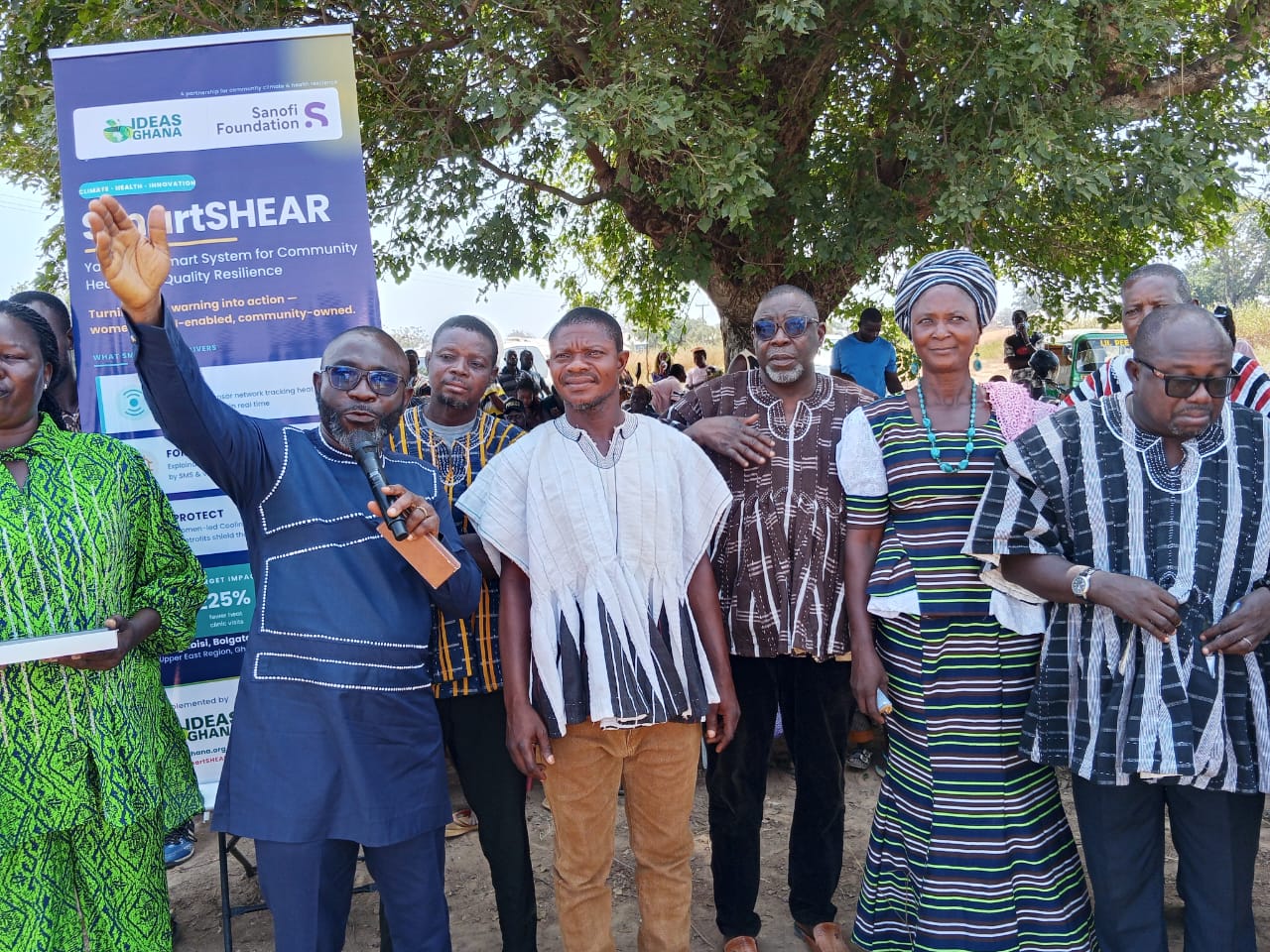
Ideas Ghana has launched a climate resilience project in Yarigabisi, Upper East Region, to help communities tackle the growing health risks of extreme heat and air pollution, with particular attention to vulnerable groups, including pregnant women, children, and the elderly.
Implemented in partnership with the Sanofi Foundation of France, the initiative seeks to strengthen community preparedness through an early warning system that will provide residents with timely information on rising temperatures and deteriorating air quality.
Speaking at the launch, Executive Director of Ideas Ghana, Dr Joseph Ayembilla, said climate change and worsening environmental conditions were increasingly exposing vulnerable populations to serious health risks.
”We are here in Yarigabisi to launch a project that seeks to address the growing challenges of extreme heat and air pollution associated with climate change. These conditions are increasingly affecting human health, particularly among pregnant women, children and the elderly,” he stated.
Dr Ayembilla explained that the project would deploy environmental sensors at strategic locations across the community to monitor temperature and air pollution levels and generate alerts to guide residents on appropriate safety measures.
”Together with the Sanofi Foundation of France, we have developed a project that strengthens community resilience by providing heat and air pollution alerts through sensors mounted at strategic locations. This will enable residents to understand the severity of the conditions and take the necessary precautions,” he said.
He said the alerts would encourage residents to adopt practical protective measures, including avoiding unnecessary outdoor activities during periods of extreme heat, staying in shaded areas and drinking adequate amounts of water.
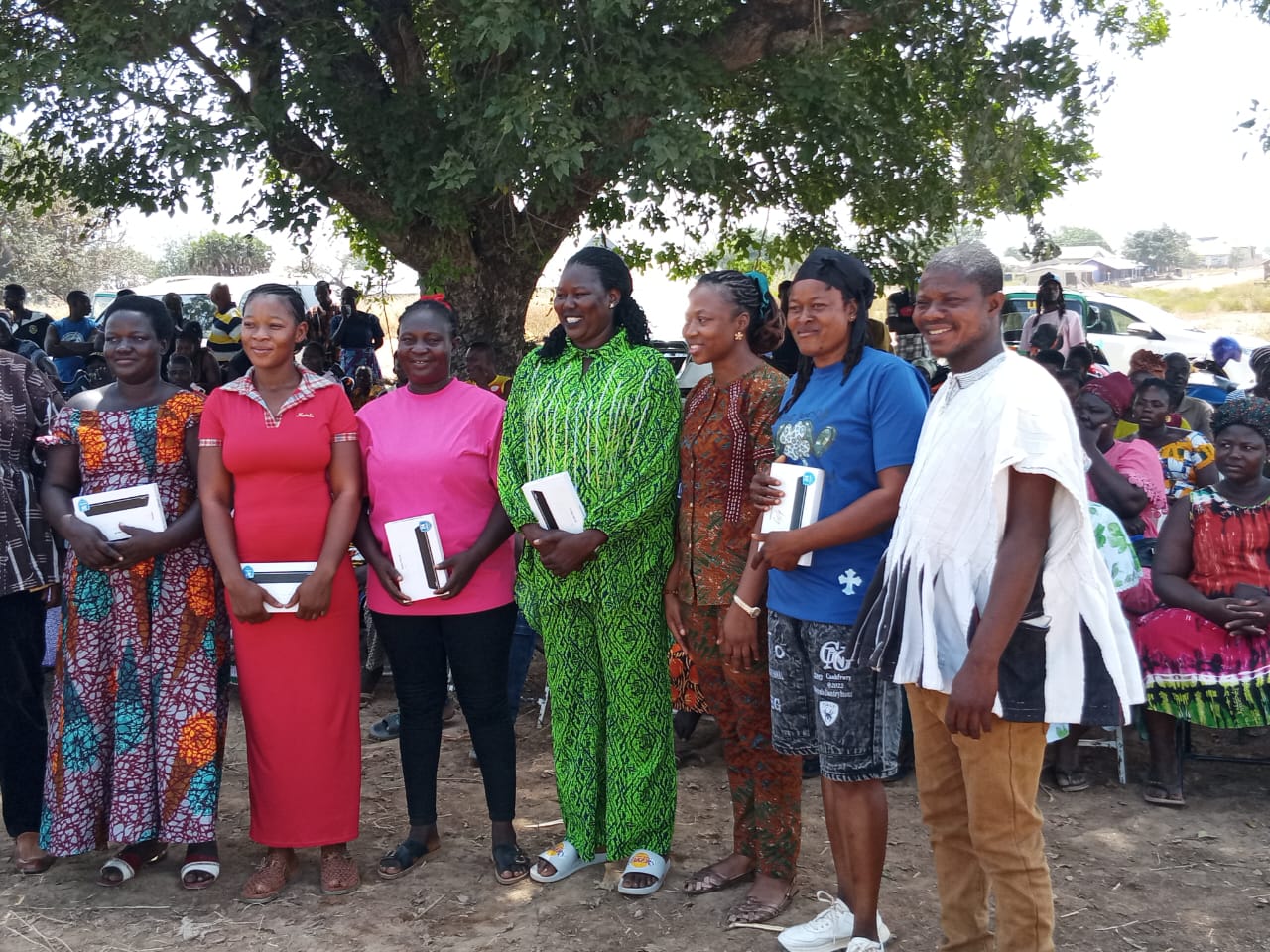
As part of the intervention, five women from Yarigabisi have been trained as citizen scientists and equipped with tablets to receive and monitor environmental information generated by the sensors.
The sensors have been installed at six locations across the community, including the Yarigabisi Health Facility, Yarigabisi Cluster of Schools and other designated areas.
Dr Ayembilla said the trained women would serve as important links between the monitoring system and residents by helping to ensure that environmental warnings reach community members promptly.
”We are training five women from Yarigabisi as citizen scientists and equipping them with tablets to receive information from the sensors. They will play an important role in ensuring that the community receives timely alerts and understands the environmental risks,” he explained.
The system is expected to generate weekly reports on accumulated heat and air pollution data, while alerts will also be disseminated through voice messages in Gurune and English to improve accessibility and ensure that more residents can understand and respond to potential environmental threats.
Beyond the early warning system, the project will also address the health implications of extreme heat by encouraging healthcare professionals to pay closer attention to heat-related illnesses during medical assessments.
Dr Ayembilla expressed concern that some patients might be suffering from heat-related conditions without receiving the appropriate diagnosis because the symptoms were not always recognised as consequences of excessive heat exposure.
”Some people visit health facilities with illnesses associated with extreme heat, but these conditions may not always be identified. We therefore want health professionals to begin considering heat exposure when assessing patients,” he noted.
He called on health workers to incorporate possible heat exposure into their assessment of patients, particularly during periods of unusually high temperatures, to improve diagnosis and treatment.
Another major component of the project will involve supporting 50 vulnerable households, particularly those occupied by pregnant women and elderly persons, through roof retrofitting with heat-reflective paint.
According to Dr Ayembilla, the intervention is intended to reduce heat absorption by buildings and improve indoor living conditions for residents who are particularly vulnerable to high temperatures.
”We are also targeting 50 vulnerable households, particularly those occupied by elderly people and pregnant women, for roof retrofitting using heat-reflective paint. This will help reduce heat absorption and make their homes cooler and more comfortable,” he disclosed.
The household intervention is expected to minimise indoor heat accumulation, providing safer and more comfortable living environments for beneficiaries, especially during periods of extreme temperatures.
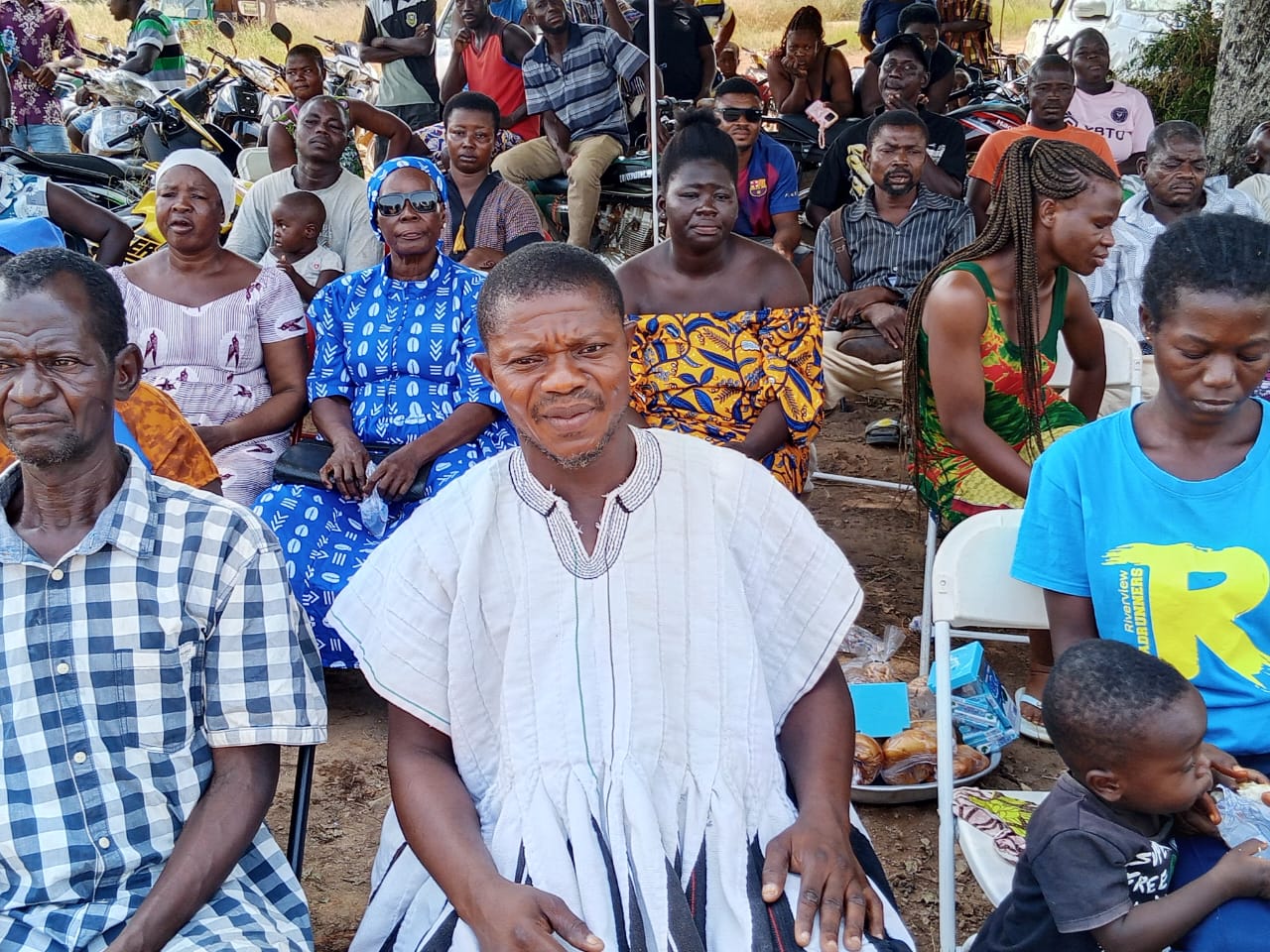
The launch attracted the Chief of Yarigabisi, the Assembly Member, the District Chief Executive for Bolgatanga East, traditional leaders, queen mothers, youth groups and other community members.
Their participation underscored the importance of community involvement and local leadership in addressing the growing effects of climate change and building resilience against environmental and public health challenges.
The project is expected to provide Yarigabisi residents with practical tools, environmental information and community-based support to better anticipate and respond to the health risks associated with extreme heat and air pollution.
Source: Joseph Napoleon Anaaya
About Author