
Prez Mahama Forms AU Chairmanship Agenda Committee to Draft Blueprint Ahead of 2027
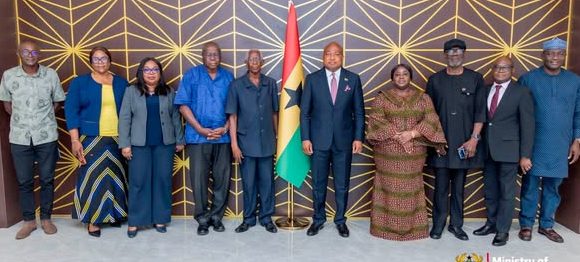
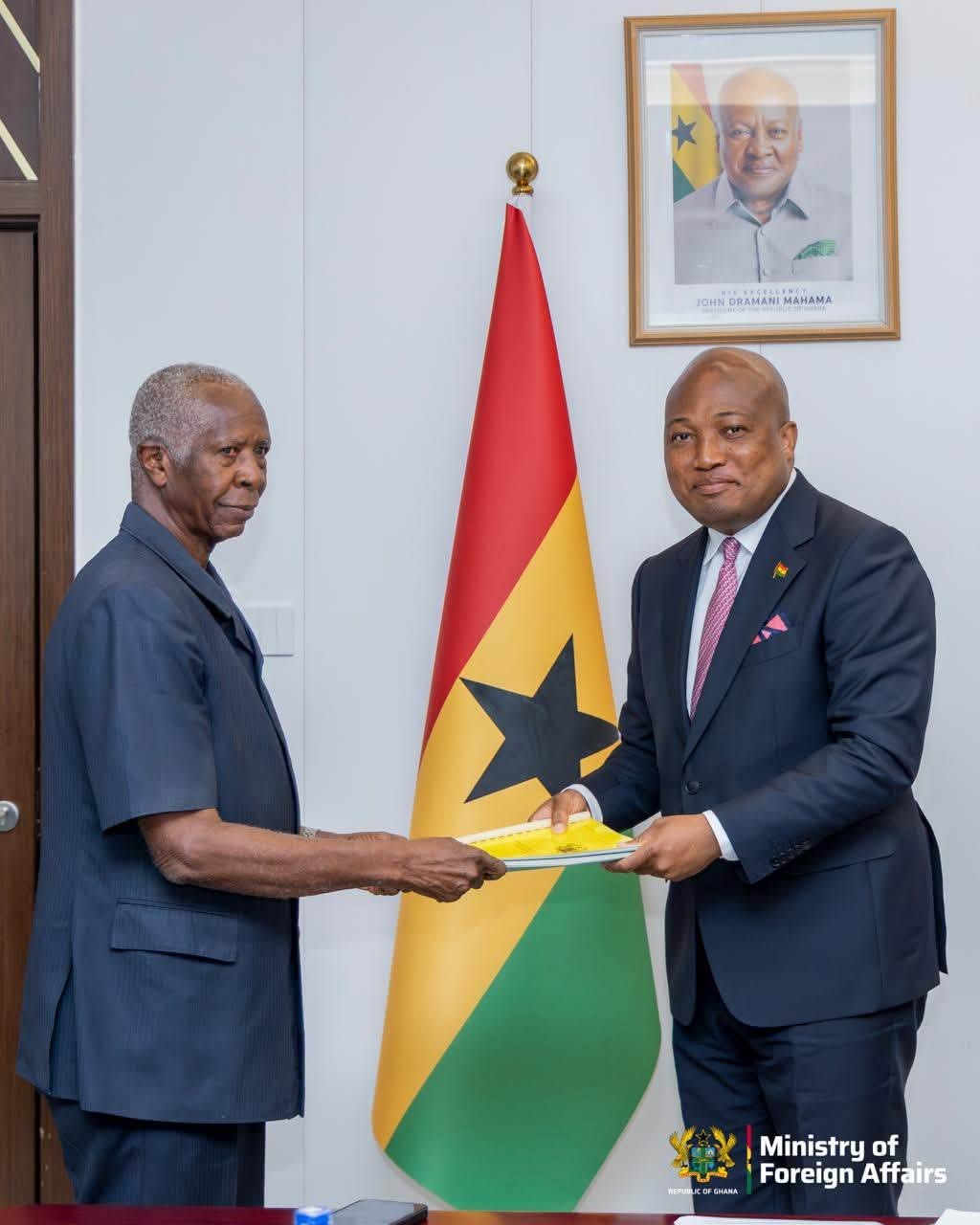
President John Dramani Mahama has inaugurated a high-level committee of eminent Ghanaian diplomats, academics and public servants to develop a comprehensive strategic blueprint to guide Ghana’s priorities ahead of his assumption of the African Union (AU) Chairmanship in January 2027.
The committee, chaired by the Minister for Foreign Affairs, Samuel Okudzeto Ablakwa, has been tasked with developing policy proposals and an implementation framework for President Mahama’s consideration as he prepares to lead the continental organisation.
The initiative aims to ensure that clearly defined priorities drive Ghana’s one-year stewardship of the AU and produce tangible outcomes for the continent.
According to the Presidency, the committee will formulate a bold and forward-looking agenda designed to guarantee “an impactful and transformative tenure for President Mahama from the start of his AU chairmanship.”
It said the exercise was also intended to position the President to respond effectively to the expectations of Africa’s estimated 1.5 billion people while establishing clear priorities for Ghana’s leadership of the continental body.
The committee brings together some of Ghana’s most experienced figures in diplomacy, governance, academia and African affairs.
Its membership includes former Executive Secretary of the United Nations Economic Commission for Africa, Dr Mohamed Ibn Chambas; former Deputy Chairperson of the African Union Commission, Ambassador Kwasi Quartey; and veteran diplomats Ambassadors Chris Kpodo, Amma A. Twum-Amoah, William Awinador-Kanyirige, Khadija Iddrisu and Francis D. Kotia.
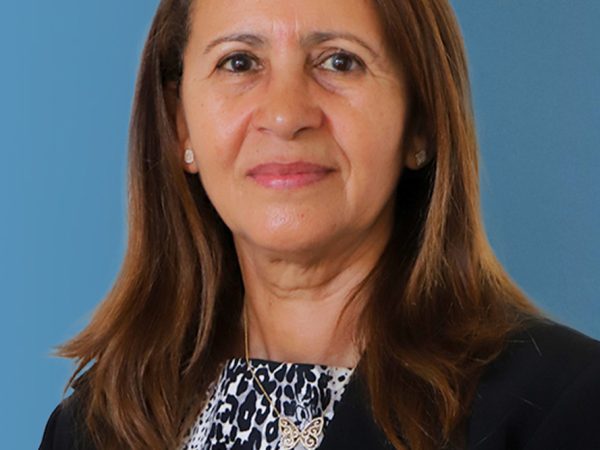
The panel is further composed of Dr Delese Mimi Darko, Mr Larry Gbevlo-Lartey, Dr Edem Adzogenu, Dr Obodai Torto and Mr Clarence Amoatey.
The committee is expected to undertake extensive consultations and develop strategic policy proposals covering Ghana’s continental priorities, with the ultimate objective of presenting President Mahama with a coherent blueprint before he assumes the AU Chairmanship.
The Presidency has commended members of the committee for accepting the responsibility and for their commitment to contributing their expertise to what it describes as an important national and continental assignment.
Ghana’s Previous Experience with AU Leadership
President Mahama’s expected assumption of the AU Chairmanship in 2027 will give Ghana another opportunity to occupy the rotating leadership of the continental organisation.
Ghana previously held the AU Chairmanship through former President John Agyekum Kufuor from January 2007 to January 2008. Kufuor became the first Ghanaian to chair the Assembly of the African Union since the organisation replaced the Organisation of African Unity (OAU).
The AU traces its roots to the OAU, which was established on May 25, 1963, in Addis Ababa, Ethiopia, when 32 independent African states came together to create a continental organisation dedicated principally to African unity, liberation from colonialism and apartheid, and the defence of the sovereignty and territorial integrity of African states.
The OAU was later transformed into the African Union following a decision by African leaders in 1999 to establish a new continental organisation capable of responding more effectively to Africa’s changing political, economic and development challenges.
The AU was officially launched in July 2002 in Durban, South Africa.
Unlike the OAU’s strong emphasis on decolonisation and the liberation struggle, the AU placed greater emphasis on continental integration, economic development, peace and security, democratic governance and Africa’s role in global affairs. The AU currently has 55 member states.
Previous AU Chairpersons
Since the launch of the AU in 2002, the rotating chairmanship has been held by a succession of African heads of state.
South Africa’s President Thabo Mbeki became the first Chairperson of the AU, serving from July 2002 to July 2003. He was succeeded by Mozambique’s Joaquim Alberto Chissano, who served from July 2003 to July 2004.
Nigeria’s Olusegun Obasanjo then chaired the Union from July 2004 to December 2005, followed by Denis Sassou Nguesso of the Republic of Congo from January 2006 to January 2007.

Ghana’s President John Agyekum Kufuor served from January 2007 to January 2008, before Tanzania’s Jakaya Mrisho Kikwete took over for the following year.
Libya’s Muammar Gaddafi chaired the Union from February 2009 to January 2010, followed by Malawi’s Bingu wa Mutharika from January 2010 to January 2011. Equatorial Guinea’s Teodoro Obiang Nguema Mbasogo served from January 2011 to January 2012, while Benin’s Thomas Yayi Boni served from January 2012 to January 2013.
Ethiopia’s Hailemariam Dessalegn chaired the AU from January 2013 to January 2014, followed by Mauritania’s Mohamed Ould Abdel Aziz from January 2014 to January 2015. Zimbabwe’s Robert Mugabe served from January 2015 to January 2016, while Chad’s Idriss Déby chaired the Union from January 2016 to January 2017.
Guinea’s Alpha Condé served from January 2017 to January 2018, followed by Rwanda’s Paul Kagame from January 2018 to February 2019. Egypt’s Abdel Fattah el-Sisi chaired the AU from February 2019 to February 2020, while South Africa’s Cyril Ramaphosa served from February 2020 to February 2021.
Democratic Republic of Congo President Félix Antoine Tshisekedi served from February 2021 to February 2022, followed by Senegal’s Macky Sall from February 2022 to February 2023.
Comoros President Azali Assoumani chaired the Union from February 2023 to February 2024, followed by Mauritania’s Mohamed Ould Cheikh El Ghazouani from February 2024 to February 2025.
Angola’s João Manuel Gonçalves Lourenço served from February 2025 to February 2026.
At the 39th Ordinary Session of the AU Assembly in February 2026, Burundi’s President Évariste Ndayishimiye was elected to succeed Lourenço as Chairperson for 2026.
President Mahama is therefore expected to succeed President Ndayishimiye in 2027, giving Ghana its second opportunity to lead the AU Assembly since the continental body was established.
The Presidency’s decision to establish the agenda committee well ahead of the transition signals an effort to ensure that Ghana’s incoming chairmanship is supported by a clearly defined policy framework rather than being shaped only after the assumption of office.
With the committee bringing together veteran diplomats, continental policy experts and senior public figures, its work is expected to provide the strategic foundation for Ghana’s engagement with the AU and help translate President Mahama’s proposed continental priorities into an actionable programme for his 2027 tenure.
Source: Felix NYAABA/ expressnewsghana.com
About Author