

Be Right, Not First to Break News— Shamima Muslim Charges Journalists
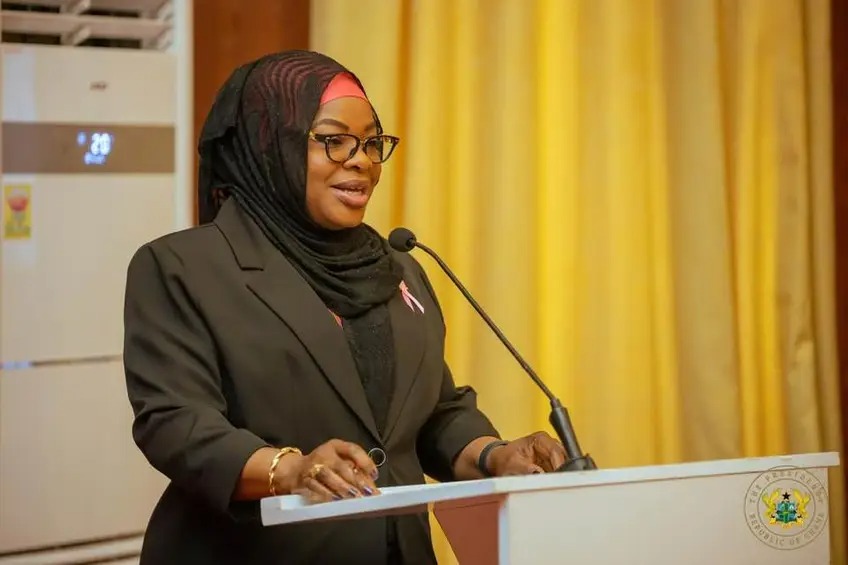
Deputy Spokesperson for Government Communications, Shamima Muslim, has urged journalists to prioritise accuracy, verification and national interest over the pressure to be the first to break security-related stories.
She said responsible security reporting requires close collaboration between the media, government and security institutions, particularly in times of crisis when misinformation and speculation can threaten public confidence and national stability.
Speaking at a capacity-building workshop on responsible security reporting held under the theme, “Media as a Strategic Partner in Preventive Security and Early Warning in Ghana,” Shamima Muslim stressed that national security communication should not be left to journalists alone.
According to her, government and security agencies have an equal responsibility to provide the public with timely, credible and coordinated information to prevent misinformation from filling information gaps.
“This means that responsible security reporting is not the media’s burden alone. Government and security institutions must communicate in a timely, credible and coordinated manner. When accurate official information is unnecessarily delayed, speculation could rightly fill the vacuum,” she said.
She explained that where security agencies are unable to disclose sensitive operational details, they should communicate the limitations clearly while providing verified updates on what can safely be made public.
Shamima Muslim also cautioned against contradictory statements from state institutions, warning that inconsistencies could erode public confidence at the very moment when trust is most critical.
“Trust cannot be demanded during a crisis. It must be cultivated before the crisis. It must be built through consistent truthfulness as much as we can,” she stressed.
Accuracy Must Come Before Breaking News
The Deputy Spokesperson challenged journalists to resist the temptation to publish unverified security information simply to beat competitors to a breaking story.
She acknowledged the speed at which information now travels through social media platforms such as TikTok, but said the growing influence of citizen journalism makes professional media credibility even more important.
“In an environment where virtually anyone can publish information online, the media’s greatest strength must be its ability to provide trusted information and help de-escalate tensions,” she said.
She urged newsrooms to verify security alerts and sensitive reports through multiple credible and independent sources before publication, particularly when such information could trigger fear or public disorder.
“To be right is better for our nation than being first,” Shamima Muslim stated.
She further encouraged journalists to carefully consider the potential consequences of publishing sensitive information, including whether a report could compromise an ongoing security operation, expose tactical details or unnecessarily inflame ethnic and religious tensions.

Misinformation Threatens National Peace
Shamima Muslim described information integrity as a national security imperative, warning that misinformation, disinformation and inflammatory content could weaken institutions, deepen divisions and transform legitimate disagreements into hostility.
“A country cannot rebuild confidence whilst falsehood is allowed to inflame communities, to weaken institutions, and to turn legitimate disagreements into hostilities, like we are seeing on social media,” she said.
She maintained that protecting Ghana’s peace requires a proactive approach that goes beyond responding to violence after it occurs.
According to her, early warning systems, community engagement, credible public communication and responsible journalism are essential tools for identifying emerging threats and preventing them from escalating into conflict.
She urged journalists to see themselves as strategic partners in Ghana’s preventive security architecture by reporting threats responsibly without magnifying fear or panic.
Responsible Media Critical to Reset Ghana Agenda
The Deputy Spokesperson also linked responsible journalism to the government’s Resetting Ghana Agenda, describing a credible and independent media as a critical pillar of democratic governance.
She said the media contributes to national development by exposing wrongdoing, amplifying neglected grievances, challenging misinformation and holding public institutions accountable.
Shamima Muslim stressed that the government does not expect journalists to shield it from criticism, but rather to exercise their watchdog role responsibly and professionally.
“The Resetting Ghana Agenda does not ask the media to protect government from criticism. We ask all of us—government, media, security institutions and citizens—to protect Ghana from falsehood, from division, from insecurity and institutional decay,” she said.
She reiterated that government must remain accountable to citizens while the media continues to uphold professional standards, particularly when reporting on sensitive national security matters.
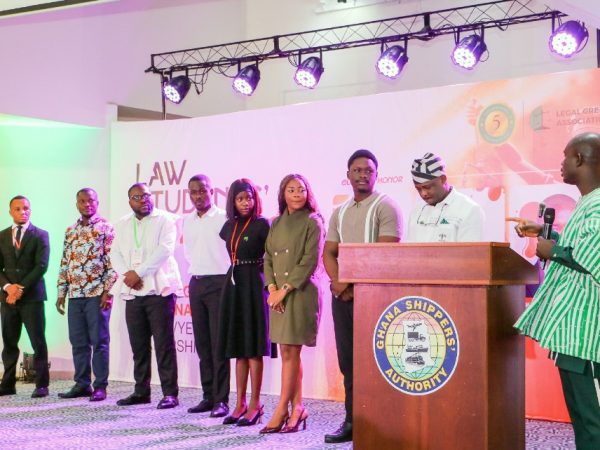
The capacity-building workshop forms part of broader efforts to strengthen journalists’ understanding and reporting of national security issues while promoting preventive security, early warning, information integrity and peaceful conflict management across Ghana.
Source: Felix Nyaaba/expressnewsghana.com
About Author