

Climate Crisis, Displacement Threaten West Africa’s Future — Jane Naana Urges ECOWAS to Act Now
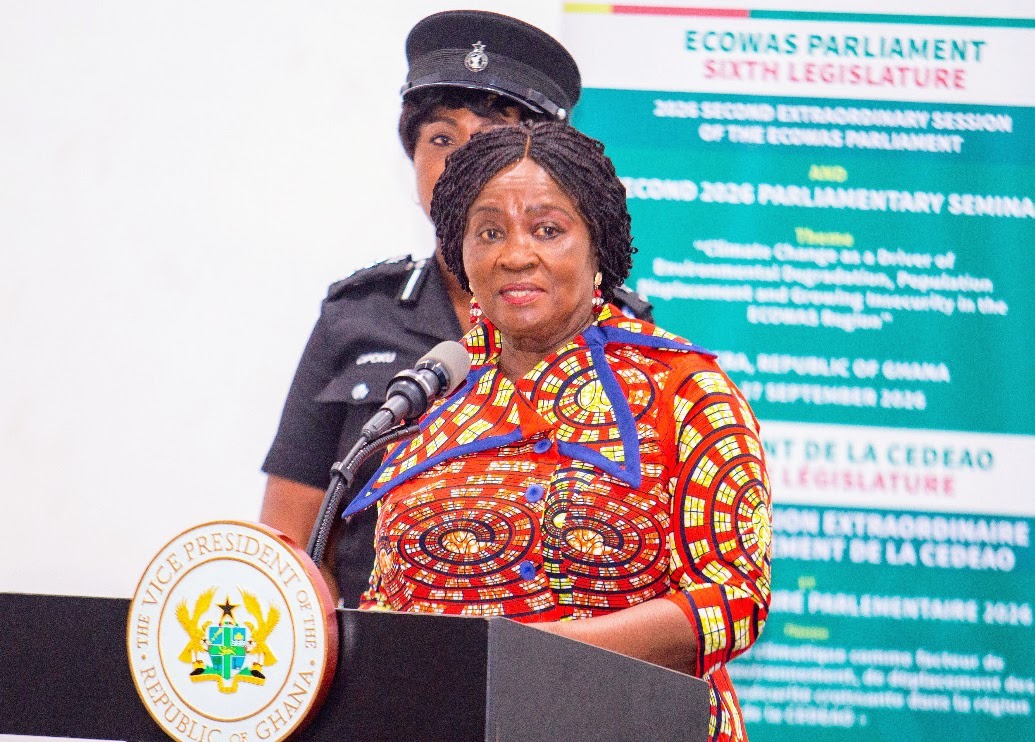
Vice President Prof. Jane Naana Opoku-Agyemang has urged ECOWAS member states to move beyond policy declarations and take urgent, coordinated action to confront climate change, population displacement and growing insecurity threatening communities across West Africa.
She warned that the interconnected crises were placing increasing pressure on livelihoods, food security, national economies and regional stability, requiring countries to act together before emerging threats developed into wider humanitarian and security crises.
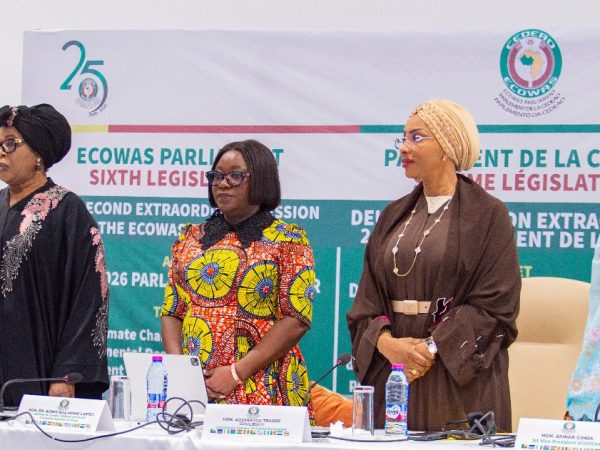
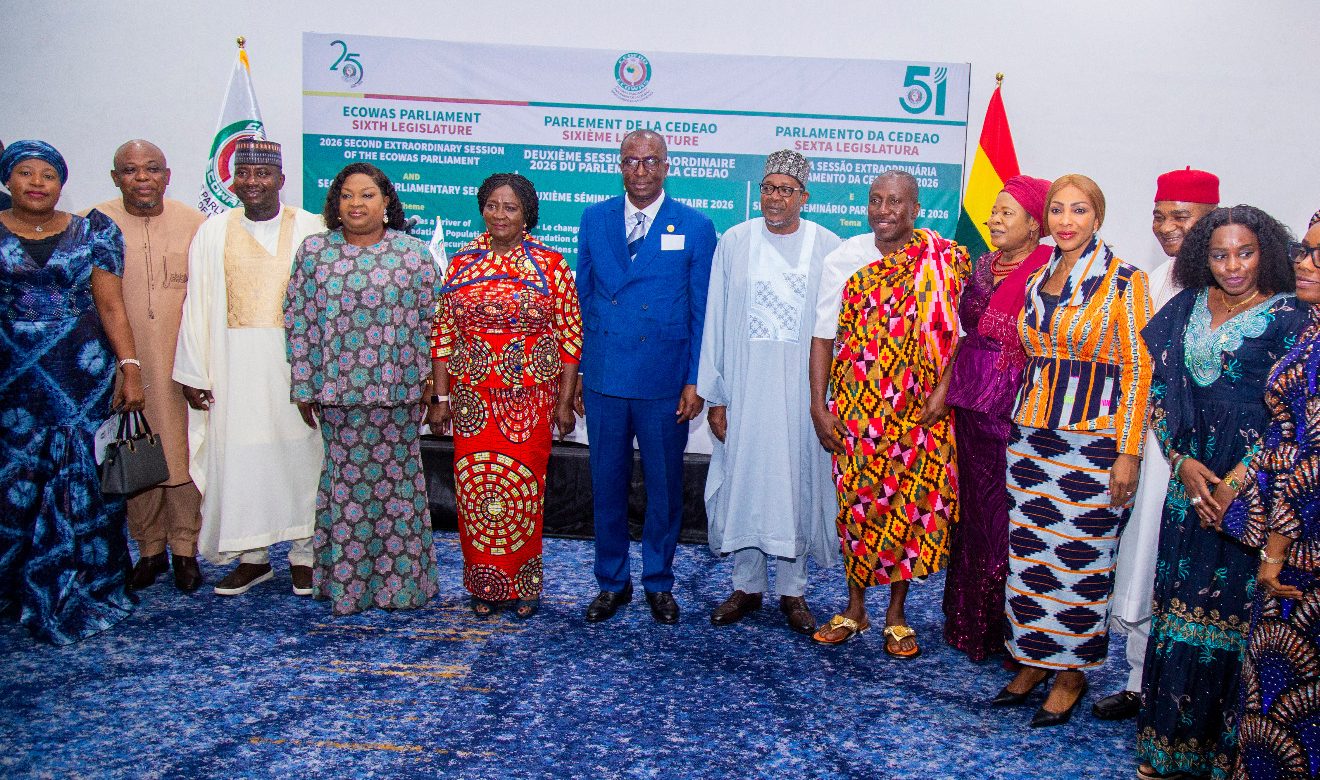
Prof. Opoku-Agyemang made the call on behalf of President John Dramani Mahama at the joint opening of the Second Parliamentary Seminar and Second Extraordinary Session of the ECOWAS Parliament in Accra on Wednesday.
The seminar is being held under the theme, “Climate Change, Environmental Degradation, Population Displacement and Growing Insecurity in the ECOWAS Region.”
According to the Vice President, the worsening effects of climate change and environmental degradation are no longer isolated environmental concerns but interconnected challenges with direct consequences for the lives and livelihoods of millions of people.
“The interconnected nature of these challenges requires unified responses,” she said.
She called for stronger regional mechanisms capable of identifying and responding to emerging threats early enough to prevent them from escalating into major humanitarian crises.
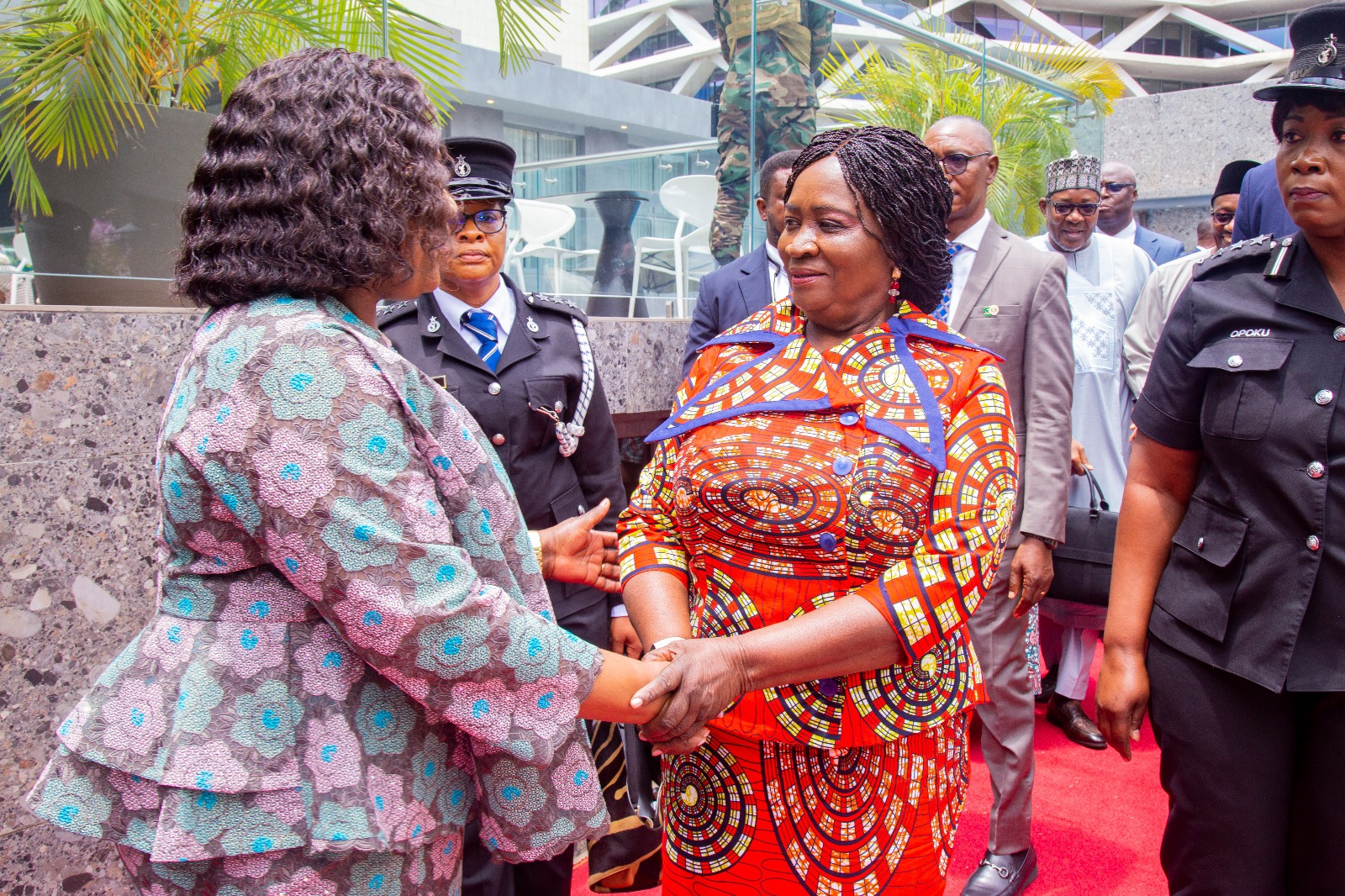
Prof. Opoku-Agyemang said the success of ECOWAS should ultimately be measured by the practical difference its policies and institutions make in the lives of citizens.
“ECOWAS remains central to our region’s future. Its strength must be felt in easier trade, freer movement, wider opportunity and greater security,” she stated.
She said improved border procedures, free movement and stronger support for cross-border trade were essential to making regional integration meaningful to ordinary citizens.
The Vice President also highlighted the role of parliamentarians in strengthening regional integration, saying lawmakers must bring citizens’ concerns into regional decision-making, scrutinise the implementation of ECOWAS commitments and help build political support for effective policies.
‘Displacement Is a Regional Crisis’
Prof. Opoku-Agyemang described population displacement as one of the most serious human consequences of the pressures confronting West Africa.
She said millions of people across the wider Sahel and neighbouring coastal states remained forcibly displaced or affected by statelessness, stressing that the scale of the crisis demanded a collective regional response.
“Insecurity, environmental stress and disrupted livelihoods in one part of West Africa increasingly put pressure on communities and national systems in another part of the region,” she said.
She therefore called for an integrated approach that brings together security, development and climate resilience.
Such an approach, she said, must include stronger early-warning systems, better support for host communities, resilient livelihoods and closer coordination across national borders.
Prof. Opoku-Agyemang further linked insecurity in the region to the economic and social prospects available to young people.
She warned that prolonged exclusion and limited access to education, employment and decent livelihoods could create conditions that criminal and extremist groups might exploit.
“Creating opportunities, strengthening communities, investing in education and skills all amounts to investing in peace,” she said.
Ghana-ECOWAS Strengthen Early-Warning Systems
The Vice President urged ECOWAS countries to fully implement and adequately resource existing regional instruments covering free movement, disaster-risk reduction, climate action and early warning.
She disclosed that Ghana was working with ECOWAS to strengthen early-warning systems through improved data sharing, closer coordination and stronger links between national and regional response mechanisms.
According to her, the cooperation was improving the flow and analysis of information, allowing authorities to identify emerging risks earlier and respond more rapidly and in a more coordinated manner.
However, she stressed that effective early-warning systems could not be sustained without adequate resources and the technical expertise required to operate them effectively.
Call for Stronger Climate Financing
Prof. Opoku-Agyemang also called for a stronger collective regional voice in securing climate finance and attracting investment into sectors capable of building resilience against the effects of climate change.
She identified resilient agriculture, water management, coastal protection and clean energy as priority areas requiring increased investment.
She urged members of the ECOWAS Parliament to use their legislative and oversight responsibilities to strengthen regional responses to the interconnected challenges of climate change, environmental degradation, displacement and insecurity.
Prof. Opoku-Agyemang reaffirmed Ghana’s commitment to the ECOWAS integration agenda and pledged continued cooperation with member states and Community institutions to promote peace, stability and prosperity across West Africa.
She expressed the hope that the parliamentary seminar would produce practical recommendations capable of strengthening a more coordinated regional response to climate change, population displacement and insecurity.
Source: Felix Nyaaba/expressnewsgahana.com
About Author