

ECOWAS Must Strengthen Early Warning Systems to Save Lives from Climate Disasters —Hon Napare

Member of Parliament for Sene East, Dominic Napare, has called on ECOWAS member states to urgently strengthen early warning systems and disaster preparedness to protect vulnerable communities from the growing threat of climate-related disasters across West Africa.
He said access to timely and reliable weather information must go beyond government agencies and reach communities at risk early enough to enable them to take preventive action, including evacuation where necessary.
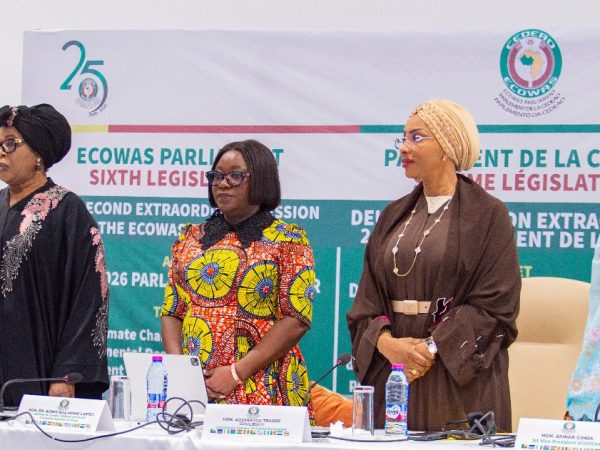
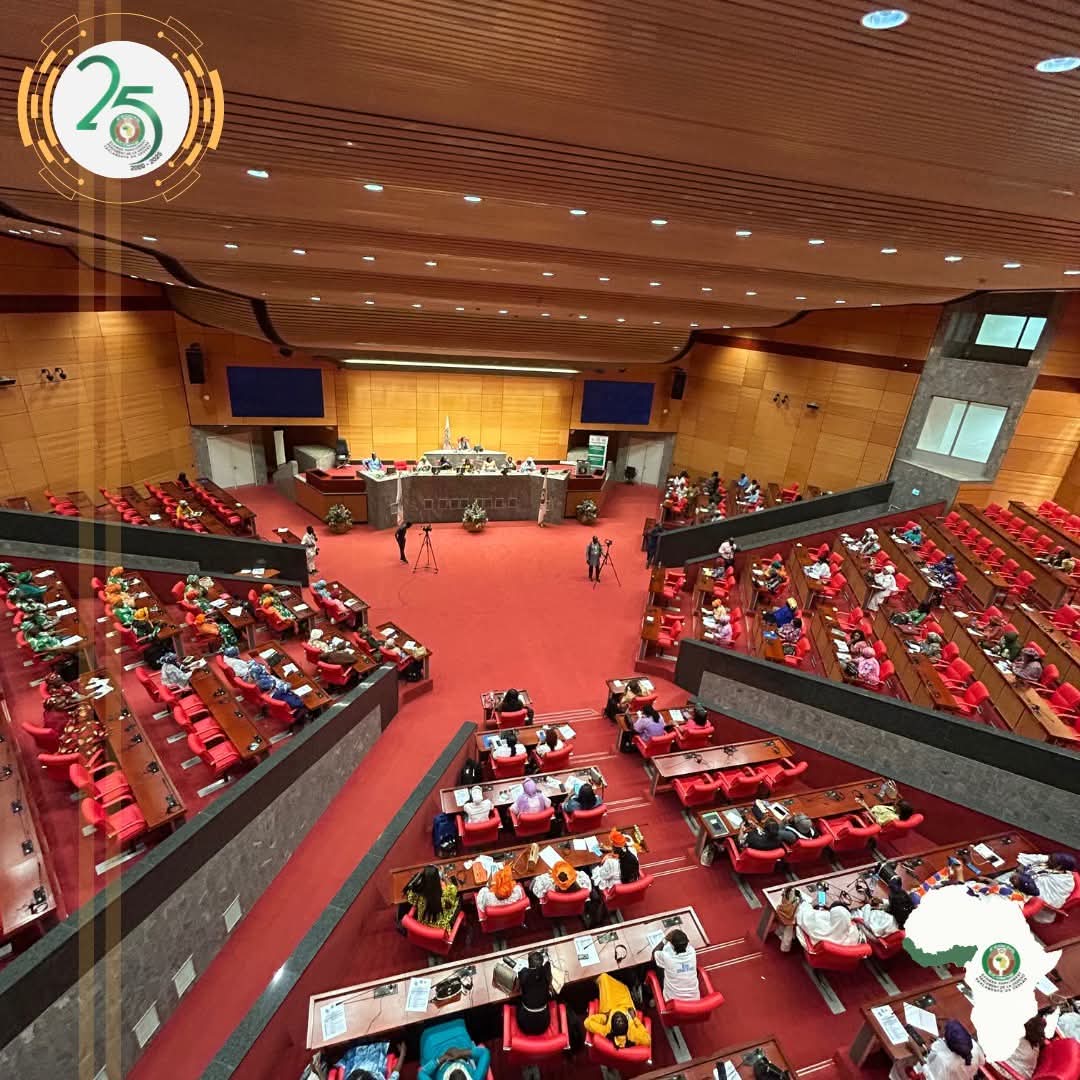
Mr Napare made the call in an interview on the sidelines of the second extraordinary session of the ECOWAS Parliament and the second parliamentary seminar held in Accra, Ghana.
The seminar, held on the theme, “Climate Change as a Driver of Environmental Degradation, Population Displacement, and Worsening Insecurity in the ECOWAS Region,” brought together lawmakers and stakeholders to examine the growing impact of climate change on communities across the sub-region.
According to Mr Napare, climate-related disasters can no longer be treated as isolated environmental issues, given their increasing consequences for food security, agriculture, poverty, health, livelihoods and human mobility.
He said recent flooding incidents across parts of West Africa had exposed weaknesses in disaster preparedness and demonstrated the need for countries to improve the way they respond to extreme weather events.
“If we truly had effective warning systems in place, we should have alerted the population so they could have been on their guard,” Mr Napare said.
He noted that unusual rainfall patterns recorded in June affected Ghana, Nigeria, Togo and Côte d’Ivoire, resulting in flooding that, in his view, required authorities to move beyond routine seasonal responses and adopt stronger emergency measures.
“These are floods of a kind never before seen in the country,” he stated, stressing that where credible forecasts indicate an exceptional threat to lives and property, authorities should not hesitate to consider evacuation and other emergency interventions.
Mr Napare emphasised that sophisticated climate and weather data alone would not protect communities unless the information was effectively communicated to those at risk.
He called for stronger mechanisms to ensure early warning information reaches national authorities, local governments, and residents in vulnerable communities clearly and on time.
The Sene East MP also urged governments to improve access to reliable and up-to-date climate information to enable communities to prepare for floods, extreme rainfall and other climate-related hazards.
He cautioned authorities against treating unusually severe weather forecasts as routine information, arguing that doing so could cause vulnerable populations to underestimate the risks and delay preventive action.
Climate Financing
On climate financing, Mr Napare urged ECOWAS member states to develop clear programmes and strategies to access available funding for climate change adaptation and resilience.
He said discussions at the parliamentary seminar had demonstrated the importance of countries preparing well-defined proposals and clearly establishing their financing needs.
“The funds are available. If they are allocated to you but you do not apply for them, they will be awarded to another country,” he said.
Mr Napare therefore encouraged governments to develop climate programmes that respond directly to their specific vulnerabilities while seeking technical and institutional support from ECOWAS where necessary.
He said access to adequate climate finance would be crucial to strengthening disaster preparedness, building resilient communities and protecting populations exposed to climate-related hazards.
Climate Change and Security
Mr Napare further cautioned against treating climate change as an issue that should be left solely to environment ministries and specialised agencies.
He explained that climate pressures have far-reaching implications for agriculture, poverty, education, health, food security, livelihoods and human mobility, with the potential to intensify existing social and security challenges.
According to him, failure to address these interconnected problems could deepen social tensions and contribute to wider security concerns across the region.
He therefore called for stronger coordination among governments, disaster management institutions and ECOWAS member states to tackle the interconnected effects of climate change, environmental degradation, population displacement, food insecurity and insecurity.
The ECOWAS parliamentary seminar provided a platform for lawmakers and stakeholders to examine the growing impact of climate change on West African communities and explore stronger regional cooperation, early warning systems and climate financing mechanisms to improve preparedness and protect lives from future disasters.

Source: Felix Nyaaba/expressnewsghana.com
About Author