
Ghana Back in the Hands of ‘Best Economic Managers’ – Ahmed Ibrahim
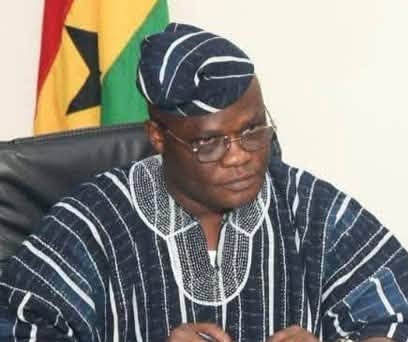
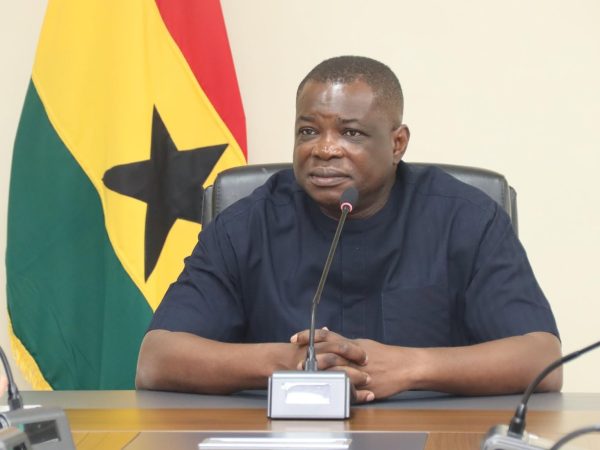
The Minister for Works and Housing and Member of Parliament for Banda, Ahmed Ibrahim, has described the government’s economic management as a significant improvement over the previous administration, insisting that Ghana is once again on the path to economic recovery and stability.
Contributing to the debate on the 2027 Budget Statement presented to Parliament by the Minister for Finance, Dr Cassiel Ato Forson, Mr Ibrahim said the current economic direction reflected the kind of progress Ghanaians had long hoped for.
“Ghana is now in the hands of the best managers of the economy,” he declared, arguing that the government had demonstrated the capacity to restore confidence in the economy and address challenges inherited from the previous New Patriotic Party (NPP) administration.
Mr Ibrahim recalled that in 2021, the then Minority Leader and Ranking Member on Parliament’s Finance Committee, Dr Cassiel Ato Forson, had advised the Akufo-Addo administration to seek assistance from the International Monetary Fund (IMF), but the government failed to heed the recommendation at the time.
According to him, the previous administration only turned to the IMF months later, when the economic situation had deteriorated.
He said his assessment of the 2027 Budget was informed by years of reviewing national budgets, dating back to 2008, and expressed confidence that the current economic policies were delivering the results Ghanaians had been demanding.
“What we have been fighting for, the Ghana that both sides of the political divide and the entire country have been praying for, is the Ghana we are now finding ourselves in,” he told Parliament.
The Banda MP, however, expressed concern that the governing NDC was being criticised for difficulties he said were created under the previous administration.
He questioned the NPP’s record on economic management, particularly the country’s credit ratings, inflation, financial-sector reforms and public debt.
Mr Ibrahim recalled that former President Nana Addo Dankwa Akufo-Addo complained about international credit rating agencies and called for an African rating agency after Ghana suffered successive downgrades.
He cited assessments by Moody’s, Fitch Ratings, and Standard & Poor’s, arguing that the downgrades reflected the deterioration of Ghana’s economic standing under the previous government.

He also questioned the record of the previous administration on inflation, claiming that the NDC inherited an inflation rate of 18.1 per cent, which later rose to more than 54 per cent under the NPP government.
He contrasted that performance with what he described as the current government’s efforts to bring inflation under control, arguing that economic recovery should be judged against the difficulties the country had experienced in recent years.
On the financial sector, Mr Ibrahim accused the previous administration of presiding over the collapse of several banks and financial institutions during the banking-sector clean-up.
He said the closures affected businesses, investors and thousands of workers, particularly young people who lost their jobs when the institutions were shut down.
“Banks employ Ghanaians. They employ the youth. When you collapse these banks and financial institutions, where do you expect the people who worked there to go?” he asked.
He listed a number of institutions affected by the financial-sector reforms, including UniBank, Heritage Bank, Royal Bank and Sovereign Bank, as well as several savings and loans companies and microfinance institutions.
The minister further argued that the proposed Women’s Development Bank demonstrated a different approach to supporting women’s economic empowerment, particularly in the area of access to finance.
He contrasted the initiative with the previous administration’s record on financial institutions that served vulnerable groups, including women.
“Now, we have come, and we are not just going to establish a savings and loans institution for women. We are going to establish a Women’s Development Bank,” he said.
Mr Ibrahim also commended the Finance Minister for the reported establishment of a new sinking fund, which he said had accumulated approximately US$480 million within 20 months to support the repayment of the country’s debt obligations.
He accused the previous government of weakening the earlier sinking fund established to help meet Ghana’s debt-servicing commitments.
According to him, the current administration had demonstrated renewed commitment to meeting the country’s obligations, including debts falling due in February 2027.
He also referred to pensioners who had previously picketed over concerns about their investments and savings, saying the Finance Minister had indicated that arrangements were being made to address outstanding payments.
On Ghana’s access to international finance, Mr Ibrahim argued that the previous administration had left the country struggling to attract external financing, while the current government was gradually restoring investor confidence.
He said Ghana’s ability to mobilise resources without excessive reliance on external borrowing was an important measure of sustainable economic management.
“Clearly, Ghana can be managed from domestic resources. That is sustainable development — using our domestic resources to develop the country without endangering future generations,” he said.
The Banda MP maintained that the government’s approach to borrowing was more disciplined, explaining that the Finance Minister was now expected to consider the economic value of proposed loans before committing the country to further debt.
He challenged the Minority to assess the 2027 Budget against the economic difficulties inherited by the government, rather than criticising the administration without acknowledging its achievements.
Mr Ibrahim further defended the NDC’s economic record, arguing that the party had demonstrated stronger management capacity and deserved recognition for the progress made.
He also challenged former Vice-President Dr Mahamudu Bawumia, the NPP’s presidential candidate for the 2028 elections, over the economic record of the previous administration, insisting that the performance of a government’s economic team must be judged by the outcomes of its policies.
“The figures are here. Come with your superior argument,” he said, questioning why the previous administration had failed to prevent the sharp rise in inflation and the deterioration of key economic indicators.
He urged Ghanaians to remember the economic record of the previous government when assessing the competing claims of the two political parties.
“The Bible says your deeds shall follow you. We should not stop mentioning their records. We must continue to remind them of how they performed when they were in government,” he stated.
Mr Ibrahim concluded by insisting that the 2027 Budget represented a continuation of the government’s efforts to rebuild the economy, restore confidence and create a more sustainable foundation for national development.
Source: Felix Nyaaba/expressnewsghana.com
About Author