
Ghana’s Constitutional Crisis Is about Political Conduct, Not Just the 1992 Charter — Kwesi Pratt
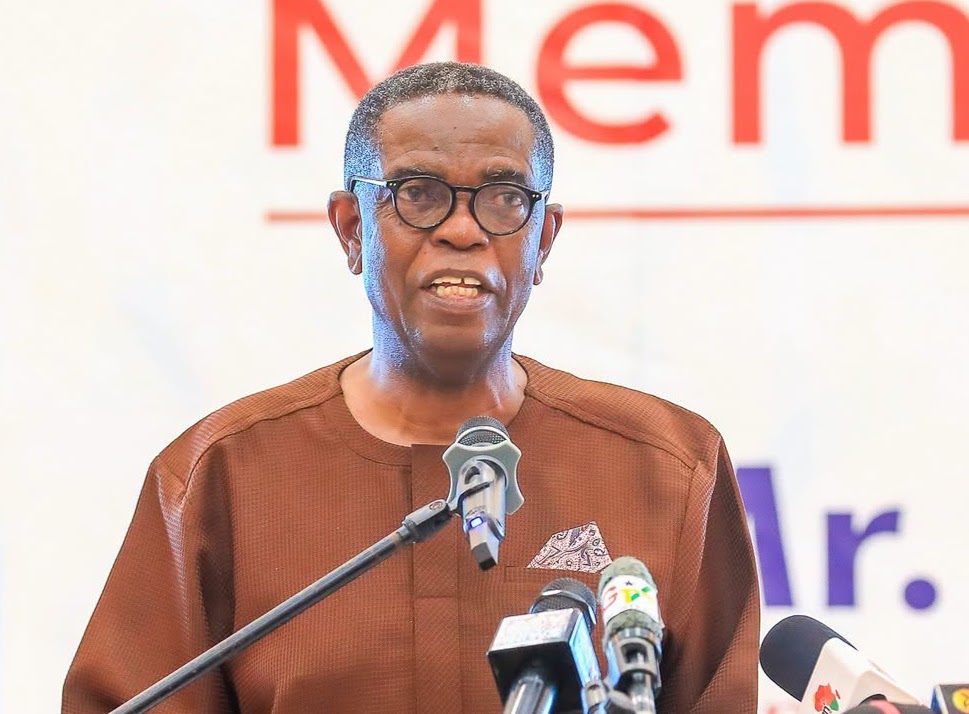
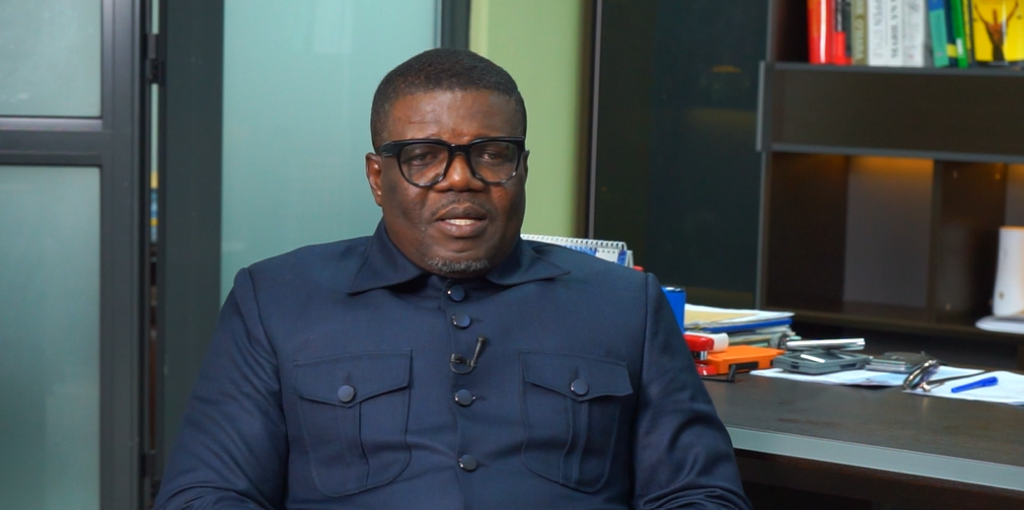
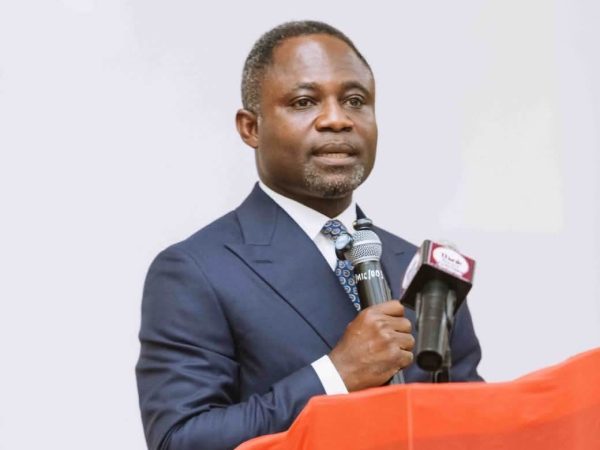
Veteran Journalist and Managing Editor of the Insight newspaper, Kwesi Pratt Jnr., has said Ghana’s persistent constitutional challenges cannot be addressed by amending the 1992 Constitution alone, arguing that the conduct of political leaders and state institutions remains central to the country’s governance difficulties.
According to Mr Pratt, while aspects of the Constitution may require review and correction, constitutional reform by itself cannot guarantee justice, accountability and protection for ordinary citizens.
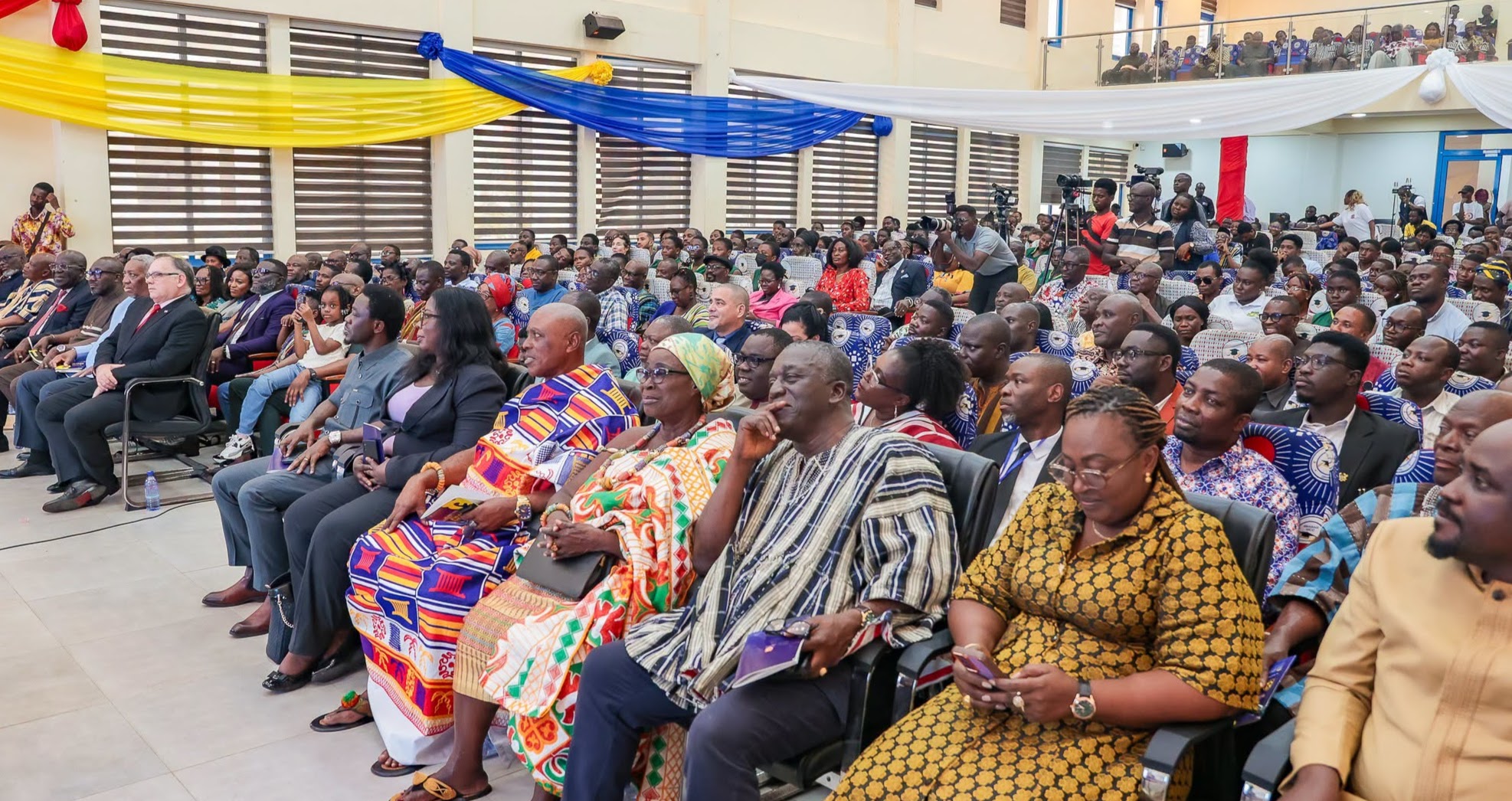
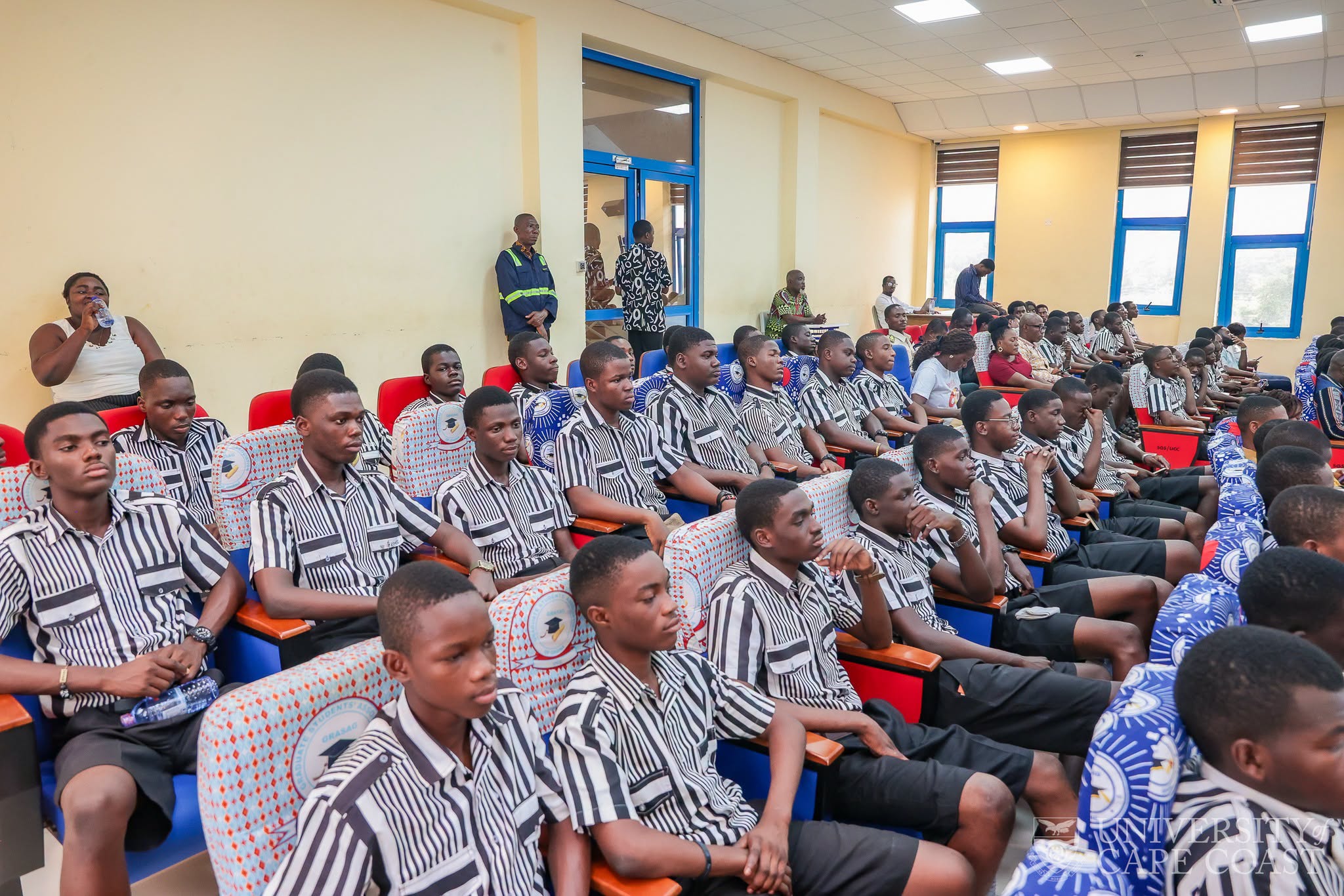
He made the remarks at the University of Cape Coast (UCC) while delivering the first lecture of the 15th Kwame Nkrumah Memorial Lectures, organised to reflect on the legacy of Ghana’s first President and his ideas on nation-building, development and African unity.
The lecture was held under the theme, “Kwame Nkrumah, Yesterday, Today and Tomorrow: Perspectives on Constitutionalism, Development and Pan-Africanism.”
Mr Pratt said the country’s constitutional discourse must not be reduced to a debate about changing provisions of the 1992 Constitution, stressing that the effectiveness of any constitutional framework ultimately depends on the people and institutions entrusted with implementing it.
He observed that even a well-crafted constitution could not, on its own, protect citizens from exploitation by powerful interests if political leaders and state institutions failed to respect constitutional principles and exercise public power responsibly.
“Certain flaws in the Constitution may require correction, but no constitutional document can, by itself, protect ordinary citizens from exploitation by powerful interests,” he said.
Mr Pratt also drew attention to what he described as a continuing tension between Ghana’s economic realities and the ideals contained in the Constitution.
He said the constitutional aspirations of social justice, equality, development and accountable governance must be examined alongside the economic conditions confronting the majority of Ghanaians.
The veteran journalist therefore called for a broader national conversation on constitutionalism—one that considers not only the wording of the Constitution but also the political culture, institutional practices and conduct of public officials.
The Kwame Nkrumah Memorial Lectures form part of efforts to preserve and deepen public engagement with the ideas and legacy of Dr Kwame Nkrumah, Ghana’s first President and a leading advocate of African unity and Pan-Africanism.
The annual lecture series provides a platform for scholars, public intellectuals, political leaders and other stakeholders to examine contemporary national and African issues through the lens of Nkrumah’s political thought, particularly his views on development, sovereignty, constitutional governance and Pan-African solidarity.
The 15th edition at UCC therefore brings renewed attention to the relationship between constitutionalism, development and Pan-Africanism, while encouraging reflection on how Nkrumah’s ideas remain relevant to Ghana and Africa today.
Source: Felix Nyaaba/expressnewsghana.com
About Author