
Sports Open Group Calls for Stronger Climate Action in African Sport

Sport occupies a unique place in African society. It brings people together in ways few other things can, shapes the ambitions of young people and creates economic opportunities across the continent. Its influence extends beyond the pitch, with the power to change lives, strengthen communities and shape Africa’s future.
Yet, the environment on which the future depends is constantly under threat. Plastic waste continues to litter sporting venues, rising temperatures are making playing conditions more difficult, while flooding damages pitches and disrupts sporting activities. These challenges threaten not only the pitch and the communities but the future of sports in Africa.
On 6 October, to mark Green Sports Day, Sports Open Group hosted a webinar exploring how African sport can help build a cleaner, safer and healthier planet and what practical steps are needed to turn that ambition into action.
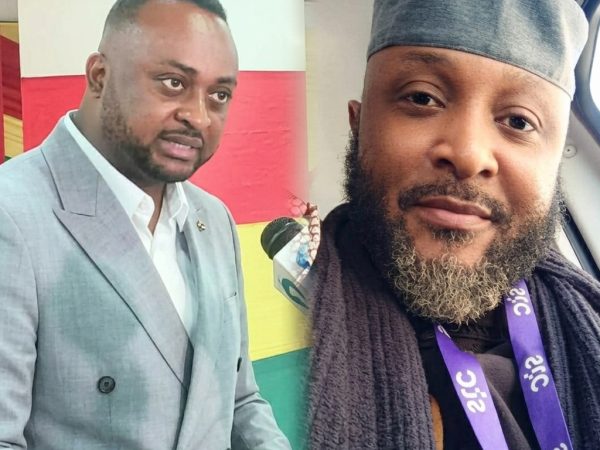
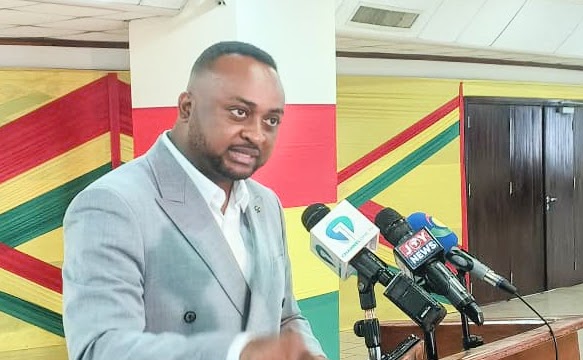
As Founder and CEO of Sports Open Group and a FIFA-licensed football agent, William Horsu had the opportunity to host the conversation alongside Katrina Cosmic, a maritime and commercial law expert as well as a FIFA-licensed football agent; Michael Aboagye, President of Excel Sporting Club and a member of the Youth Cup Dubai 2027 organising committee; and Chris Pinderhughes, Head of Growth and Strategy at Africa Football Development Network.
One point that came through strongly was the importance of understanding environmental challenges from their roots. Solutions that work elsewhere may not always fit our realities, so our approach must reflect our local conditions, resources, and community needs. For us, grassroots sport is a promising place to start. Bringing environmental education and eco-friendly habits into youth programmes can shape attitudes early, turning training sessions and community tournaments into opportunities for young people to care for the spaces where they play.
The webinar also considered the role of sports infrastructure. Our facilities are more than places where games take place; they are community assets that promote physical activity and social connection. Better waste management, reusable materials and partnerships for green initiatives are practical steps that clubs and organisations can begin taking.
It was equally agreed at the webinar that women, girls and young people have an active role to play in designing and leading sustainability programmes. Sustainability in sport cannot be an afterthought; it needs to be part of how we think about developing the game.
The influence and role of athletes and communities also came up during the audience Q&A session. Prominent athletes can use their platforms to reach fans and young people in ways that formal sustainability campaigns often struggle to do. That influence can help raise awareness and shape attitudes, but turning that awareness into lasting action depends on communities. Supporters, local organisers and families are the ones who can embed sustainable practices into everyday life.
The evening was eventually closed with a simple message reiterating that sustainability in sport requires action, education, collaboration, and investment.
The webinar is part of Sports Open Group’s continuing commitment to education and advocacy on sustainability in African sport. If African sport is to keep thriving, the environment that sustains it must be protected too, and everyone has a role to play.
Planet. People. Performance.
About Author