

Stop Treating Journalists as Enemies; They Are Security Partners — COP Razak
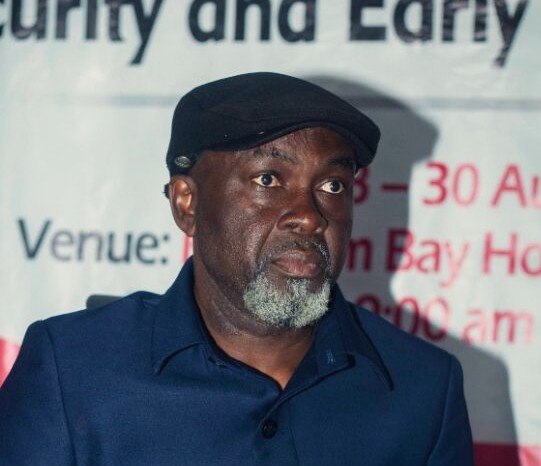
The National Security Coordinator, COP Abdul-Osman Razak, has urged Ghana’s security agencies to stop viewing journalists as adversaries and instead recognise the media as strategic partners in protecting the country’s peace, stability and national security.
According to him, a free and responsible press is itself an important instrument of national security, particularly in a rapidly changing information environment where misinformation, social tensions and emerging threats can quickly escalate.
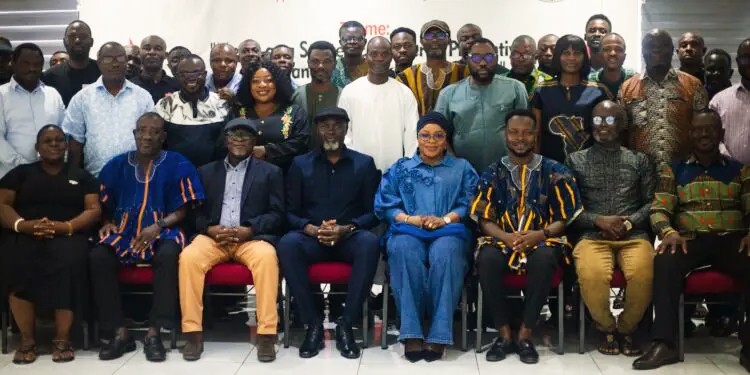
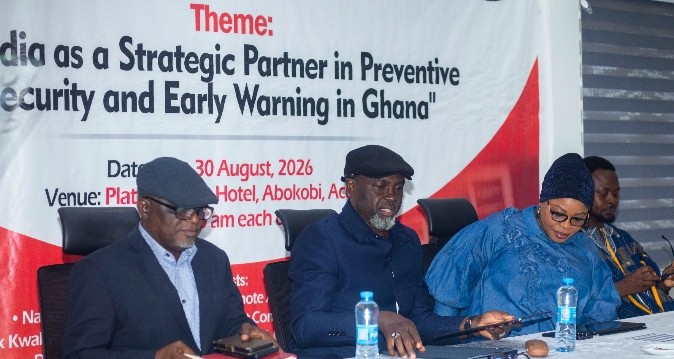
COP Razak made the call in a keynote address at a two-day residential training workshop organised by the Private Newspapers and Online Publishers Association of Ghana (PRINPAG) on the theme, “Media as a Strategic Partner in National Security.”
He stressed that national security could no longer be defined solely by military and law-enforcement operations, arguing that public education, community engagement, effective information management and social resilience were equally critical to preventing threats before they became crises.
“Don’t see them as enemies. Hold them accountable. Educate them,” COP Razak told participants, urging security institutions to build a more constructive and professional relationship with journalists.
He said journalists occupied a strategic position within Ghana’s security environment because they were often among the first to identify tensions, grievances and emerging developments within communities.
“When the press exposes corruption, it protects the public purse more than any prosecution. When it holds power accountable, it gives a lawful outlet to frustration that would otherwise reduce to violence and reduce recruitment and propaganda of extremists,” he said.
COP Razak further noted that when journalists report truthfully and responsibly during periods of tension, they can help calm situations rather than aggravate them.
“When the press reports truthfully in moments of tension, it becomes the nation’s steady hand,” he stated.
He said accurate, verified and responsible reporting could provide early warning, educate the public, promote social cohesion and help prevent conflicts from escalating into serious security threats.
Conversely, he warned that inaccurate, sensational or unverified information could worsen fragile situations, particularly where ethnic, religious or political grievances were involved.
The National Security Coordinator therefore urged journalists to exercise professional judgment when reporting on sensitive security matters, stressing that the consequences of a news report could extend far beyond the immediate news cycle.
Media and security must learn from each other
COP Razak also called for stronger communication channels between security institutions and newsrooms, particularly during periods of heightened national tension.
He said security agencies had a responsibility to provide journalists with credible and timely information to minimise speculation and misinformation, while journalists must also adhere to professional standards in gathering, verifying and presenting information.
He explained that effective engagement would enable journalists to seek clarification, understand the broader context surrounding security incidents and avoid publishing information that could unnecessarily inflame tensions or compromise legitimate security operations.
“We have not come to teach. We have come to learn from each other,” COP Razak told members of PRINPAG, challenging both the media and security institutions to develop a meaningful and practical framework for strengthening their relationship.
He maintained that accountability must remain central to the relationship between the media and security institutions, but said it should be accompanied by education, dialogue and mutual respect.
According to him, journalists should not be treated as enemies simply because they ask difficult questions, investigate sensitive issues or expose weaknesses within institutions.
Rather, he said professional criticism should be seen as an essential component of democratic governance and an opportunity for institutions to identify and correct their shortcomings.
Continuous training vital to responsible security reporting
COP Razak also emphasised the importance of continuous training for journalists, particularly those assigned to report on national security.
He said specialised knowledge was necessary for journalists to understand complex security issues and communicate them accurately and responsibly to the public.
While acknowledging that courage was an essential quality for journalists, he said professional competence and what he described as “trained intelligence” must be deliberately developed through continuous education, training and exposure.
He also urged security institutions to improve their engagement with the media to ensure that journalists had access to credible information, especially when national security issues were involved.
Protecting Ghana’s peace is a shared responsibility
COP Razak cautioned against taking Ghana’s relative peace and democratic stability for granted, particularly in view of growing security challenges in parts of the West African sub-region.
He warned that ethnic tensions, religious divisions, social exclusion and unresolved community grievances could create opportunities for extremist groups to recruit vulnerable individuals if such challenges were not identified and addressed early.
He consequently urged journalists to report on such issues accurately, responsibly and sensitively, while security institutions deepen their engagement with communities and the media to identify potential threats before they escalate.
He said preventive security required the collective efforts of all stakeholders, stressing that journalists could make a significant contribution to strengthening community resilience, national cohesion and Ghana’s democratic stability.
“If Ghana’s democracy remains outstanding in a region of coups, it is in no small measure because at decisive moments the press has chosen responsibility,” he said.
COP Razak commended PRINPAG for organising the training programme and expressed his commitment to strengthening collaboration between the security establishment and the private media.
He said the ultimate objective should be to build a relationship anchored in trust, professional responsibility, accountability and mutual respect, where journalists could perform their watchdog role without intimidation while security agencies could protect legitimate operational interests.
He reiterated that safeguarding Ghana’s peace and security was not the responsibility of security agencies alone, but a shared duty involving the media, security institutions and citizens.
Source: Felix Nyaaba/ExpressNewsGhana.com
About Author