
TAL Reopens Applications for 2027 Cohort, Targets Next Generation of African Leaders
The Transformative African Leadership (TAL) programme has reopened applications for its inaugural 2027 cohort, following strong interest from professionals across Africa.
The programme, which has attracted interest from West, East, Central, Southern and North Africa, is seeking experienced professionals who are already influencing decisions within their organisations, institutions, and sectors.
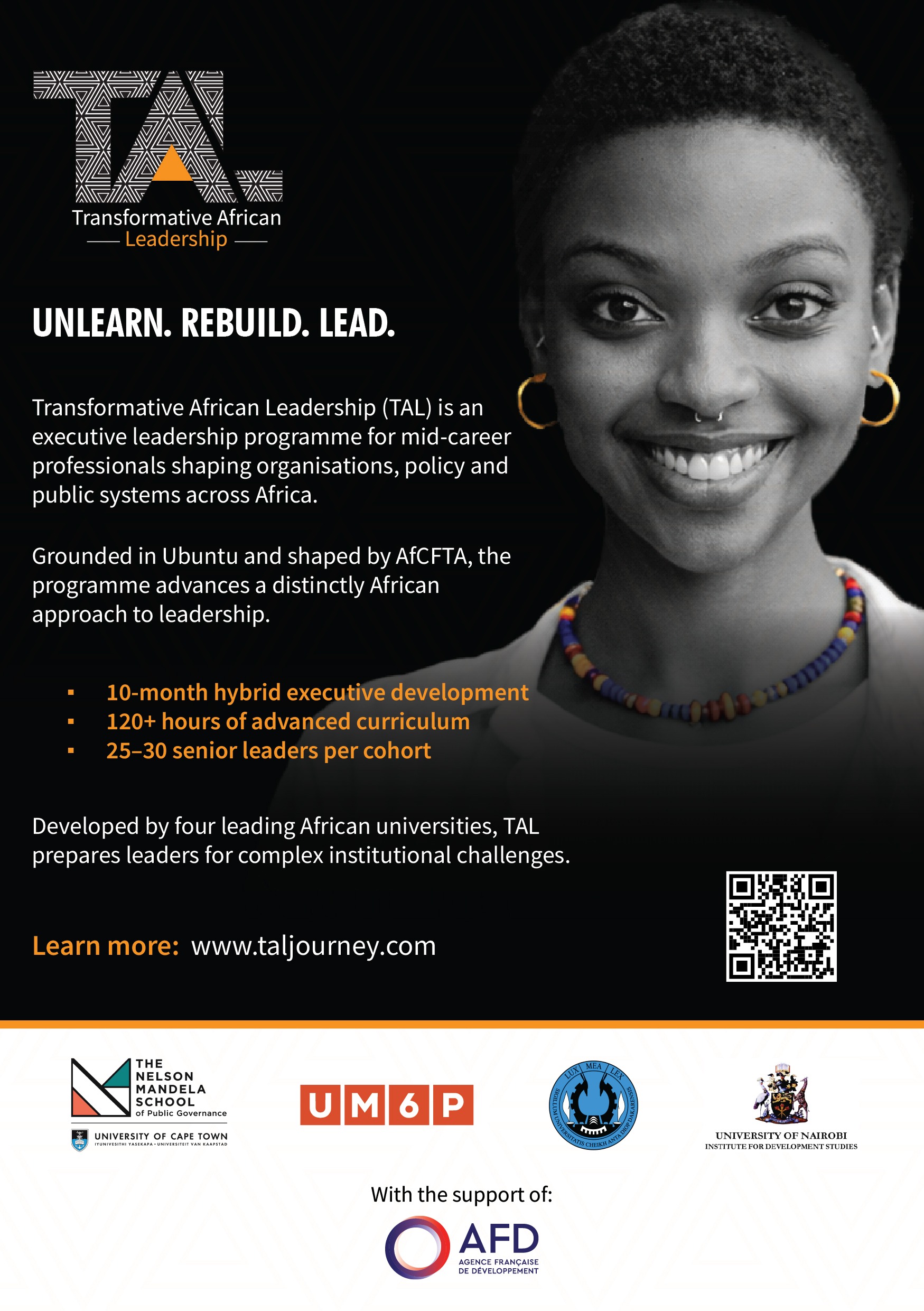
According to a statement from the programme, the 10-month leadership initiative will begin on February 1, 2027, with a cohort of 25 to 30 participants. The programme will combine online learning with two residential sessions: February 1 to 5, 2027, in Nairobi, Kenya, and October 4 to 8, 2027, in Rabat, Morocco.
TAL is designed to equip African leaders with the knowledge, perspectives and practical tools required to respond to some of the continent’s most pressing challenges while identifying emerging opportunities for sustainable transformation.
Its curriculum will explore major issues including democratic governance, geopolitics, artificial intelligence, climate change, security, industrialisation, regional integration and the African Continental Free Trade Area (AfCFTA).
Rather than examining the issues in isolation, the programme will consider how they intersect and influence leadership, institutions, and development across Africa, drawing on historical, national, regional and global perspectives.
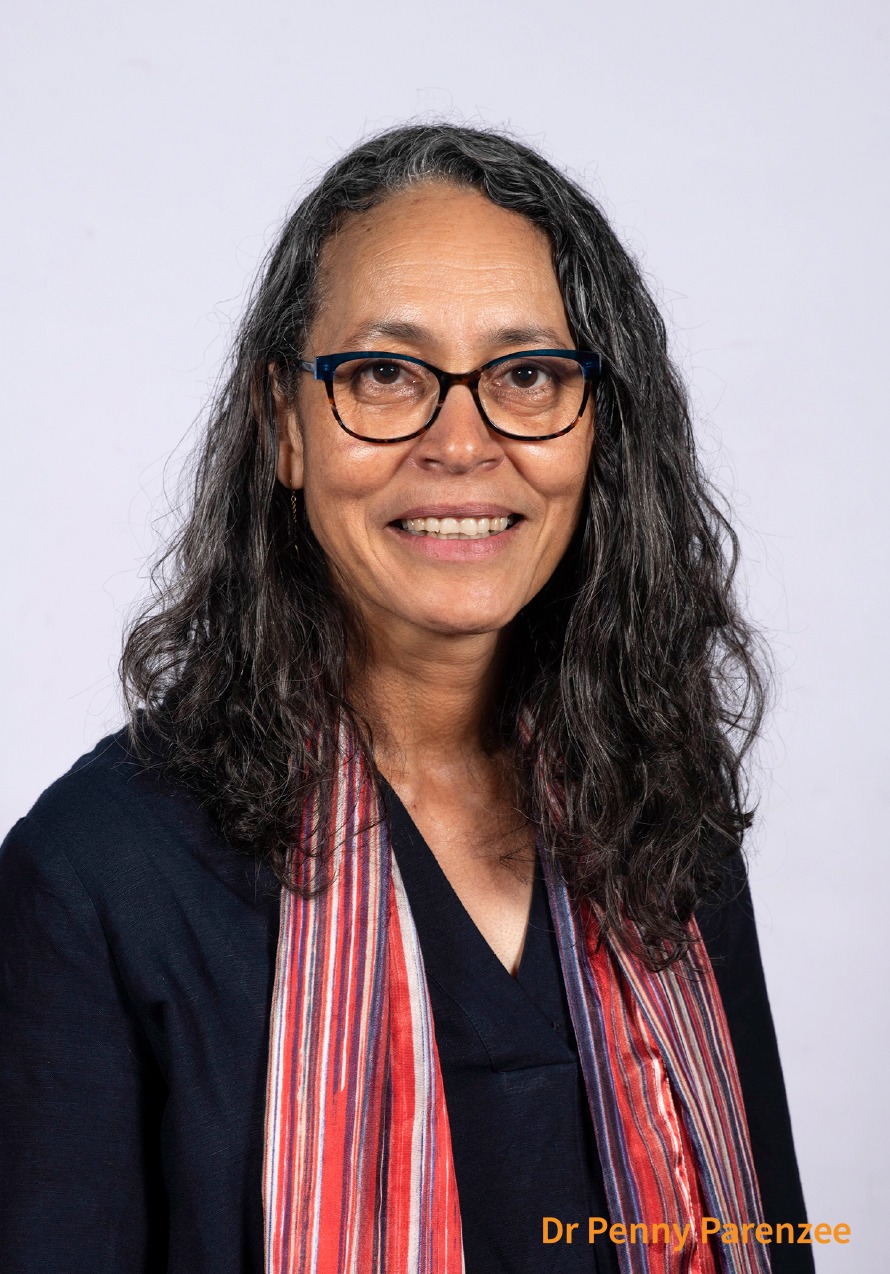
Dr Penny Parenzee, Senior Programme Manager at the Nelson Mandela School of Public Governance, said the programme would encourage participants to look beyond Africa’s challenges and focus on the opportunities that could drive transformation.
“The programme asks participants to look beyond the challenges and identify where the opportunities lie,” she said.
She added that the African Union’s Agenda 2063 would provide an important backdrop for discussions, while African perspectives would remain central to understanding the continent’s development and the leadership required to drive meaningful change.
“Participants will also leave the programme with a profound understanding of the AfCFTA and its potential for Africa,” Dr Parenzee said.
The programme is jointly designed and delivered by the Nelson Mandela School of Public Governance at the University of Cape Town in South Africa; the Public Policy School at Mohammed VI Polytechnic University in Morocco; Université Cheikh Anta Diop in Senegal; and the Institute for Development Studies at the University of Nairobi in Kenya.
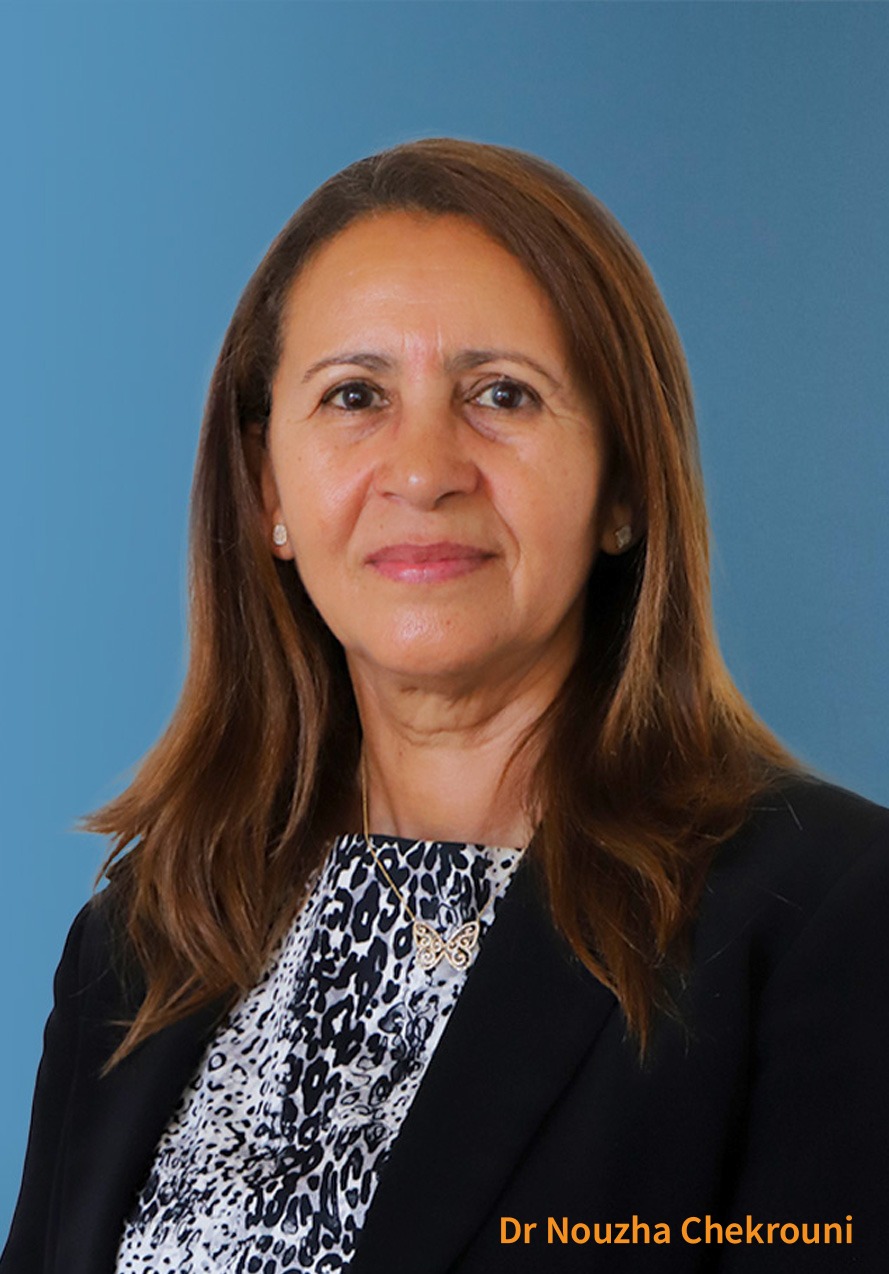
Dr Nouzha Chekrouni, Academic Director of Leadership Programmes at the Public Policy School, Mohammed VI Polytechnic University, described TAL as a pioneering initiative aimed at developing African leaders capable of influencing the continent’s transformation.
“TAL is a bold, first-of-its-kind programme designed for African leaders who want to help shape the continent’s transformation,” she said.
“From self-mastery to systemic change, it equips participants with the mindset, tools and rigour to navigate disruption, challenge existing systems and lead with greater impact,” Dr Chekrouni added.
Participants will engage with scholars, policymakers, practitioners and fellow professionals from across Africa, creating an environment for the exchange of regional perspectives, professional expertise and practical leadership experience.
The programme will also feature a strong practical component, including a collaborative capstone project focused on building a regional value chain. The project will provide participants with an opportunity to translate ideas around industrialisation, economic integration and AfCFTA into practical solutions.
TAL is open to African citizens, including those living and working outside the continent. A university degree is not a mandatory requirement, with relevant professional experience, leadership capacity and the potential to contribute to Africa’s transformation forming an important part of the selection process.
Source: expressnewsghana.com
About Author