

West Africa Women Must Seize Global Trade Opportunities to Create Wealth – ECOFEPA Veep
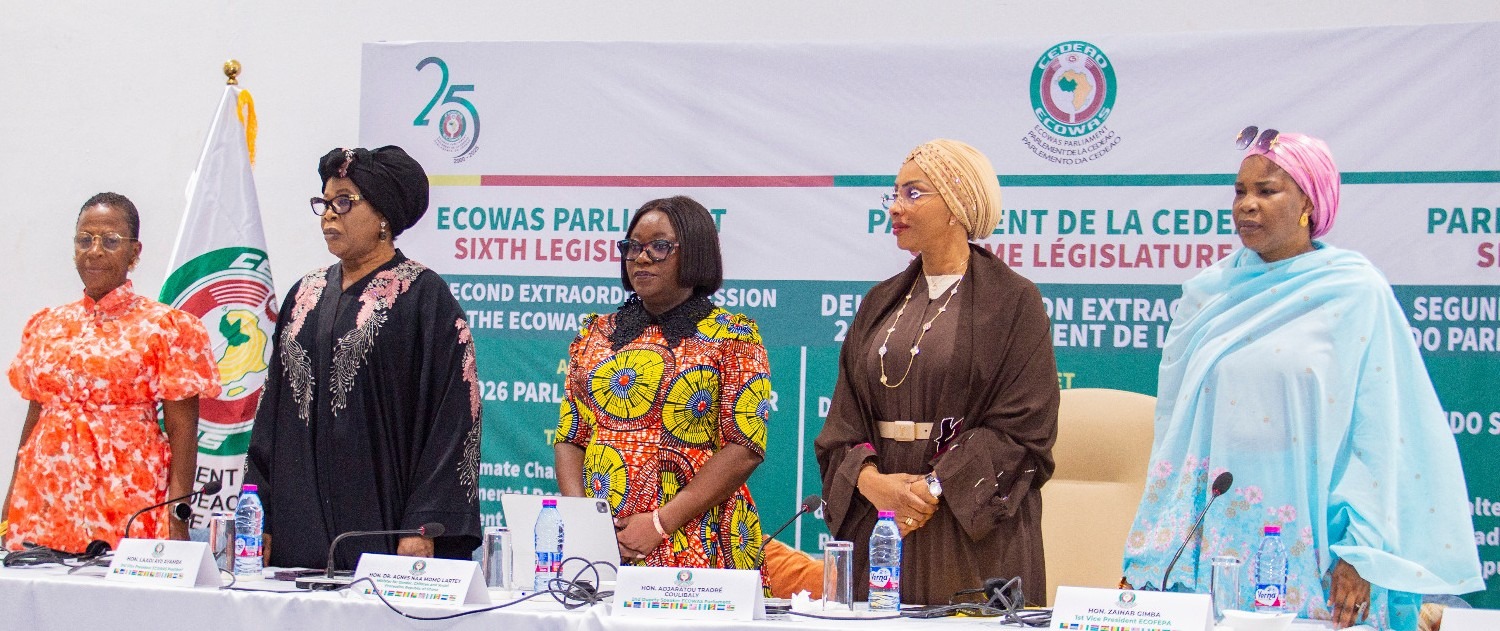
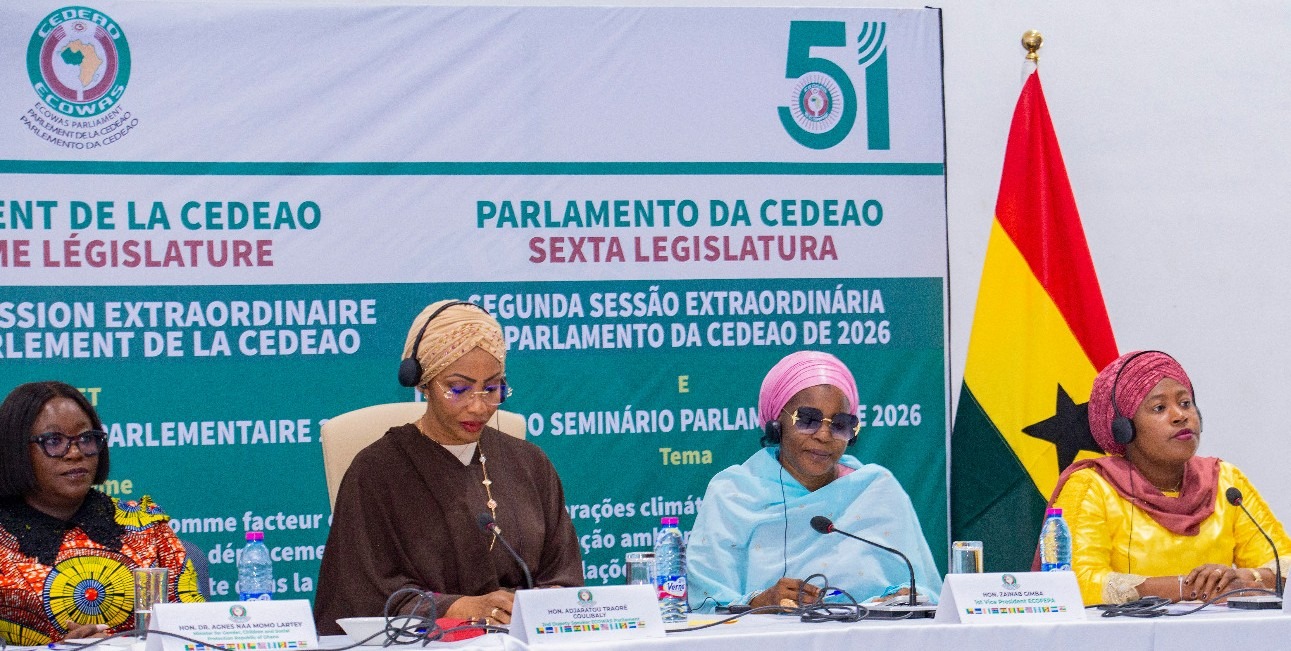
The First Vice President of the ECOWAS Women Parliamentarians Association (ECOFEPA), Hon. Zainab Gimba, has challenged women across West Africa to move beyond participation in trade and position themselves to create businesses, jobs and wealth from the region’s growing global market opportunities.
She said women must acquire the skills, financial resources, market access and networks required to compete effectively in regional and international trade and use their economic strength to gain greater influence in decision-making.
Hon. Gimba made the call on Friday, September 25, 2026, when she delivered the welcome address at the ECOFEPA Executive Masterclass in Accra.
The masterclass was held under the theme, “Advancing Women’s Participation in Global Trade for Political Readiness and Export Opportunities in the ECOWAS Region.”
According to Hon. Gimba, the economic transformation of West Africa would remain incomplete unless women were given greater opportunities to participate meaningfully in trade, investment, entrepreneurship and decision-making.
“Women are not merely participants in economic development, but are drivers of trade, investment, innovation, political leadership and sustainable prosperity,” she said.
She noted that the ECOWAS region possessed enormous economic potential, citing its youthful population, natural resources, agricultural sector, entrepreneurial base, creative industries, cultural heritage and expanding digital economy.

However, she said several structural barriers continued to prevent many women from taking full advantage of those opportunities.
Among the challenges, she identified limited access to finance, inadequate market information, technology gaps, weak business networks and difficulties with trade facilitation, as well as the under-representation of women in decision-making.
She said the challenges were particularly acute for women seeking to transition from small-scale enterprises into formal, competitive and export-oriented businesses.
“Our objective must be clear: to equip women not only to participate in trade, but to lead it, ultimately positioning them for political readiness and economic leadership,” Hon. Gimba stated.
She explained that economically empowered women were better positioned to contribute meaningfully to policy discussions and decisions on trade, investment, finance, industry and regional integration.
“Political readiness matters a lot,” she stressed, urging women to prepare themselves not only to succeed in the marketplace but also to take up leadership roles in decisions that shape their economies and communities.
Hon. Gimba encouraged women entrepreneurs to take advantage of opportunities presented by the African Continental Free Trade Area (AfCFTA) and the broader regional integration agenda.
She cautioned, however, that access to markets alone would not guarantee success, stressing the need for women entrepreneurs to understand product standards, certification, packaging, branding, logistics, digital commerce, market intelligence, customs procedures, financing and the expectations of international buyers.
“We want participants to leave this programme not only inspired, but prepared,” she said.
The ECOFEPA First Vice President also called on governments, financial institutions, development partners, businesses and exporters to help create an enabling environment for women entrepreneurs through accessible financing, improved infrastructure, simplified trade procedures, reliable market information, mentorship and stronger business networks.
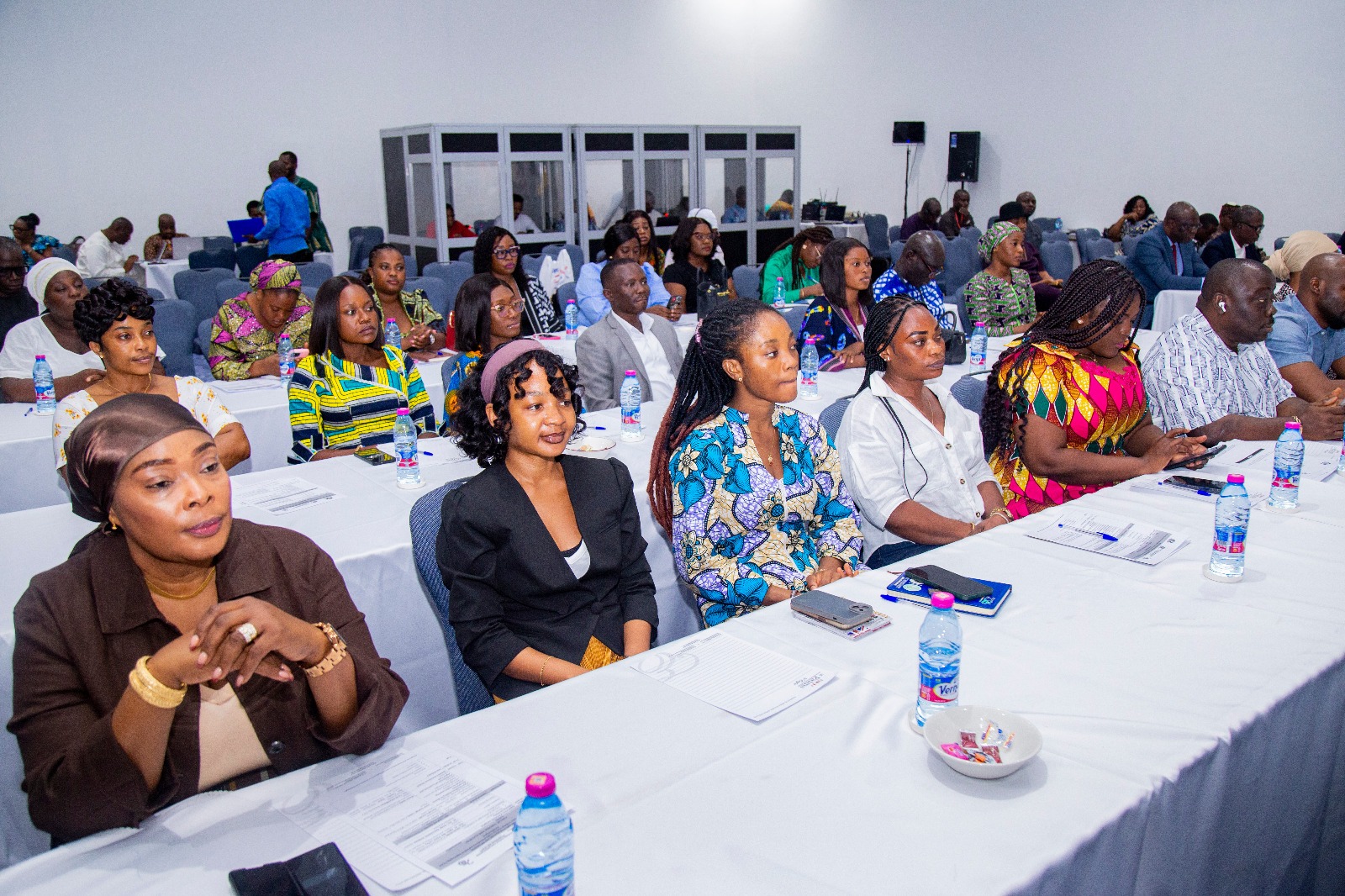
She urged participants to use the masterclass to exchange experiences, build strategic networks and translate the knowledge acquired into practical strategies capable of expanding their businesses and creating opportunities for others.
Hon. Gimba said the broader goal should be to “democratise prosperity and opportunities for all citizens,” particularly women and young people who require access to skills, resources, finance and markets to succeed.
“Investing in women goes beyond gender equality. It creates jobs, strengthens families and communities, drives economic growth, and contributes to sustainable development,” she said.
She concluded with a call for collective action to ensure that opportunities created by regional and global trade translated into tangible economic benefits.
“Together, let us transform knowledge into action, opportunities into enterprises, enterprise into jobs, and economic participation into lasting prosperity,” she said.

Source: Felix Nyaaba/expressnewsghana.com
About Author