

Zoomlion Needs Investment Support and Better Systems to Improve Waste Management — Ayariga
The Minister for Local Government, Chieftaincy and Religious Affairs, Mahama Ayariga, has called for increased investment and stronger collaboration with the private sector to improve waste management across Ghana.
He said the country’s waste management challenges could not be addressed through collection alone, stressing the need for an integrated system covering waste separation, transportation, transfer stations, treatment and recycling.
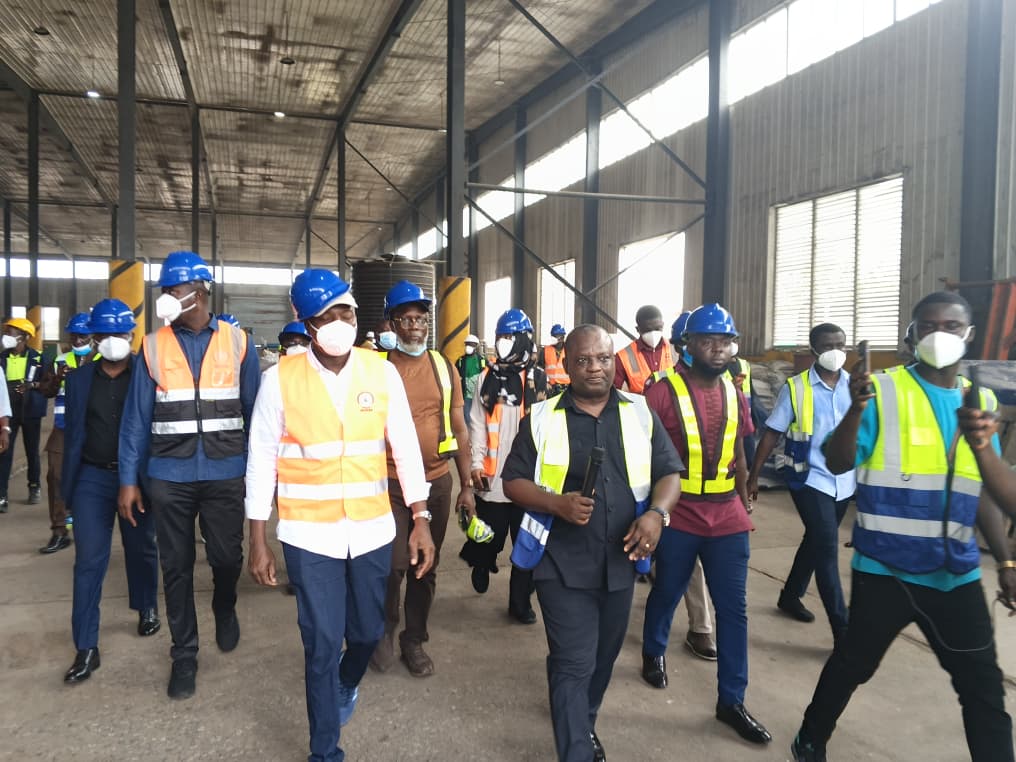
Mr Ayariga made the remarks after inspecting waste management facilities in Accra as part of efforts to assess the existing system and explore financing opportunities for improving waste management infrastructure.
According to him, the inspection exposed significant gaps in the way waste is generated, collected, transported and treated, requiring urgent reforms.
“There are clearly a lot of gaps in terms of the systems that we have for collecting and managing waste. From the homes where the waste is generated, we don’t separate them,” he said.
He explained that waste separation should begin at the household level, with appropriate bins and receptacles provided to make collection and transportation more efficient.
“We must put in place a system for separating it right from the homes. At the homes we must have receptacles and waste bins so that it is easier to convey the waste from there,” Mr Ayariga stated.
He also called for the overhaul of the transportation system and the establishment of transfer stations closer to communities, while treatment and composting facilities should also be located nearer to major urban centres.
“The infrastructure, the technology to do all this is available. A lot of it is organisational,” he said.
The Minister said the challenges observed in Accra were largely representative of the situation in other major cities, including Kumasi and Takoradi, and would therefore form the basis for a broader national plan to attract investment into the sector.
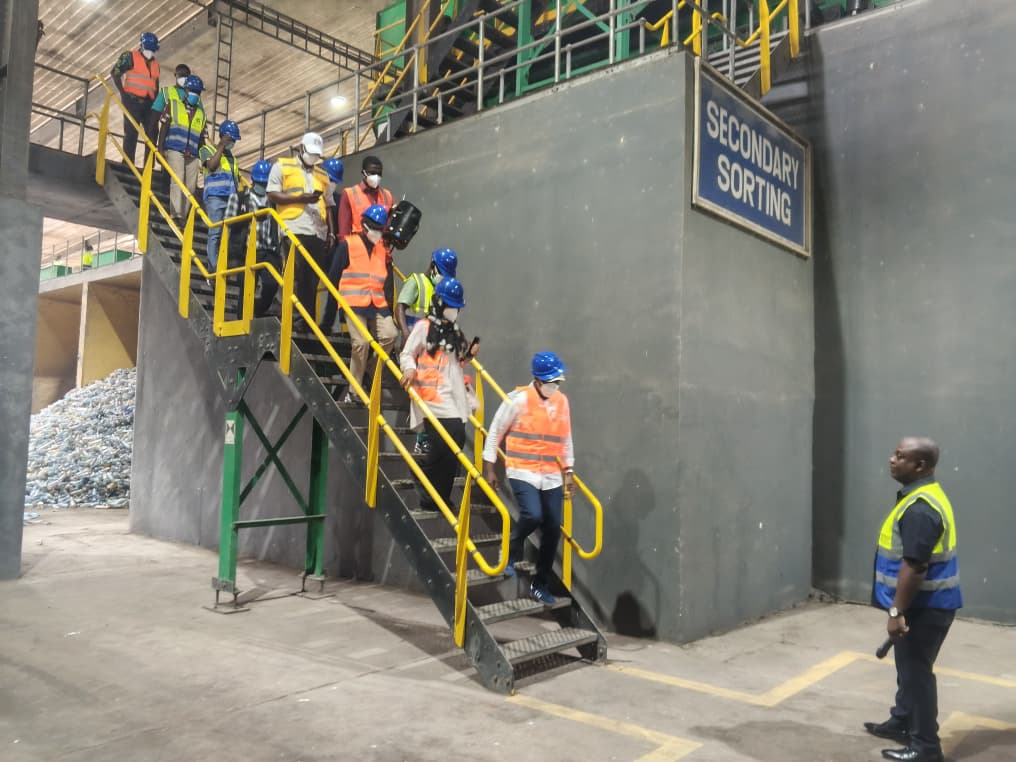
He disclosed that the Ministry was exploring financing opportunities with the Arab Bank for Economic Development in Africa (BADEA) to mobilise resources for investment across the waste management value chain.
“The reason why I am this morning with the Vice President of BADEA, Dr Fatima Elsheikh, and her technical team is to explore financing opportunities that exist at BADEA for us to mobilise resources to invest in the entire chain so that we can more efficiently collect the waste,” he said.
Mr Ayariga also stressed the need for residents and property owners to contribute financially to waste and sanitation management, citing the principle that “the polluter pays.”
“I believe in the principle of the polluter pays. If you pollute, you pay for the management of the pollution,” he said.
He argued that households, property owners and businesses must accept responsibility for the waste they generate rather than relying entirely on the government to bear the cost.
“You cannot ask the government to come and pay for that waste. You, the people who have constructed the building and those of you who occupy it, you are responsible for incurring the cost,” he stated.
The Minister said citizens should therefore fulfil their obligations through basic rates, property rates and appropriate sanitation or sewage levies to help local authorities finance waste and drainage infrastructure.
He noted that a more efficient waste management system could significantly reduce the cost currently borne by households.
“If we organise it well, we could reduce the cost per household of waste management by even 50%,” Mr Ayariga said.
He attributed the high cost of waste collection in some communities to inefficiencies in the current system, including long distances travelled by waste collectors, high fuel costs, vehicle maintenance and financing costs.
“The reason why it is so high is because the system is not being efficiently managed,” he explained.
Mr Ayariga assured residents that the government would work to make waste management more affordable while ensuring cleaner cities.
“We promise to be accountable. We promise to be efficient. We promise to be transparent so that you see exactly how your resources are being used,” he said.
He called for the cooperation of residents as the government worked to mobilise financing and reorganise the waste management system.
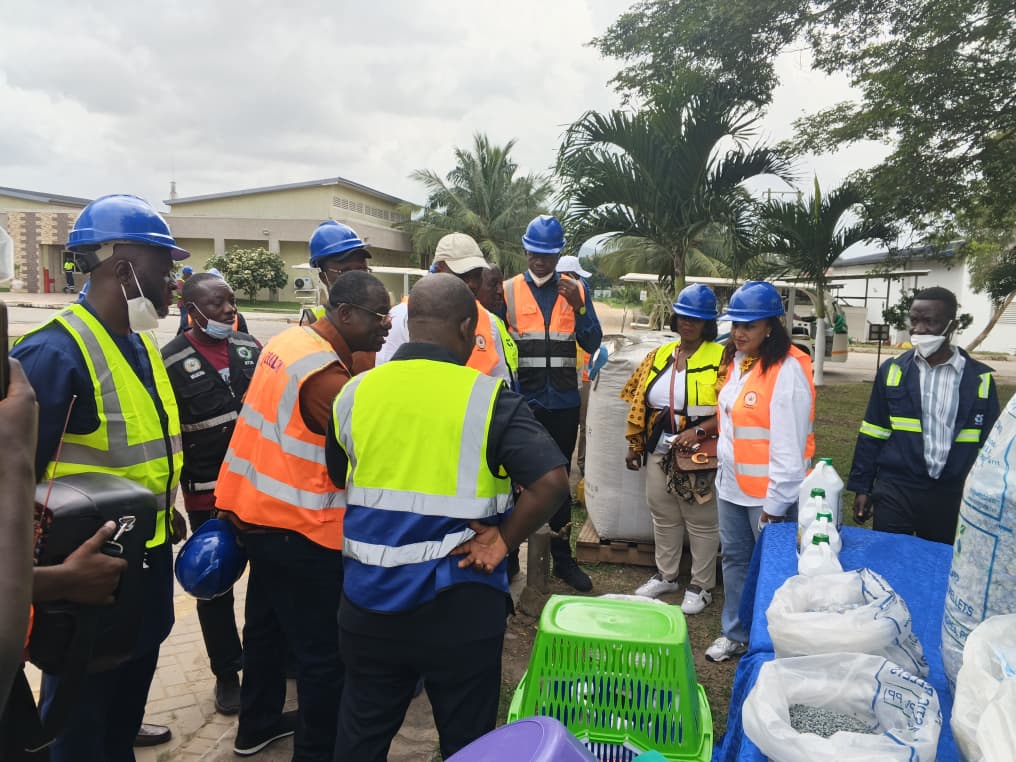
Meanwhile, BADEA Vice President Dr Fatima Elsheikh expressed the bank’s readiness to support Ghana’s efforts to modernise its waste management infrastructure.
She described the inspection as “inspiring” and said waste management should be viewed not only as an environmental challenge but also as an opportunity to create jobs, livelihoods and economic value.
“Waste is not about actual waste. It’s actually about employment opportunities that it gives to people, livelihood. It’s also about an environment where we can all enjoy beautiful Accra to a level and a grade that is acceptable for every citizen who visits or who resides in Accra,” she said.
Dr Elsheikh said Accra’s position as Ghana’s capital and one of Africa’s major hubs made improved waste management particularly important.
“Accra is not the capital of Ghana only. It’s one of the hubs of Africa. So we’ll be happy to contribute as a development bank,” she stated.
She expressed BADEA’s willingness to work with the government to support President John Dramani Mahama’s vision for sustainable development and help Ghana establish a model that could be replicated across Africa.
“We’ll be happy to join you in this journey. We know it’s not going to be an easy journey, but it’s actually a journey that involves every citizen,” Dr Elsheikh said.
She also commended the media for joining the inspection and highlighted the importance of collaboration between the public and private sectors in addressing Ghana’s waste management challenges.
Source: Felix Nyaaba/expressnewsghana.com
About Author