ECOWAS MPs Seek Solutions to Climate Crisis to Save Lives
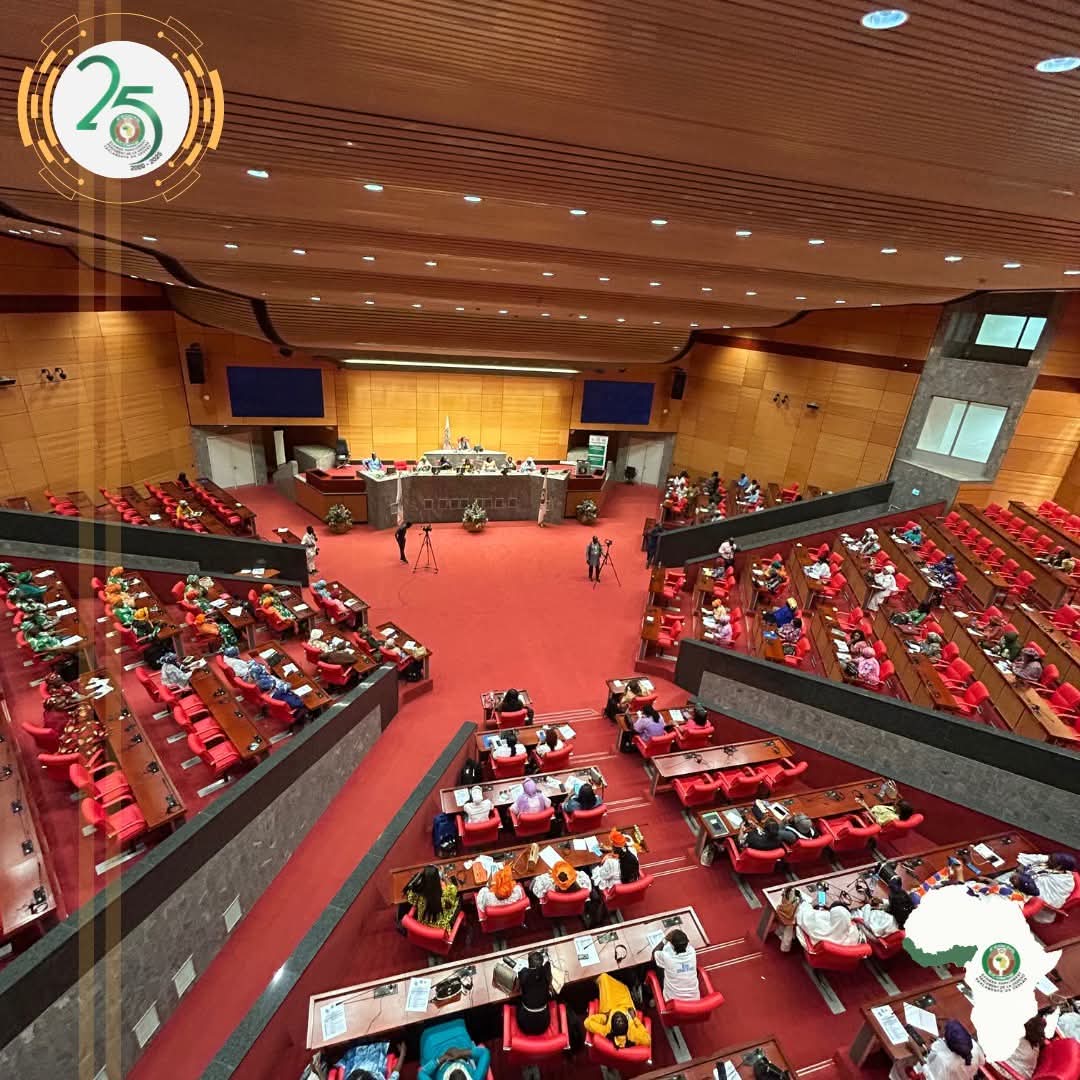
Members of the ECOWAS Parliament have called for urgent, practical and people-centred solutions to the growing climate crisis, warning that worsening floods, coastal erosion, declining agricultural productivity, displacement and loss of livelihoods increasingly threaten lives and communities across West Africa.
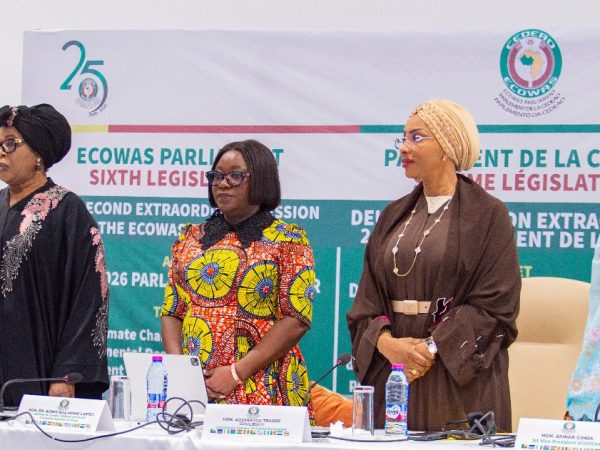
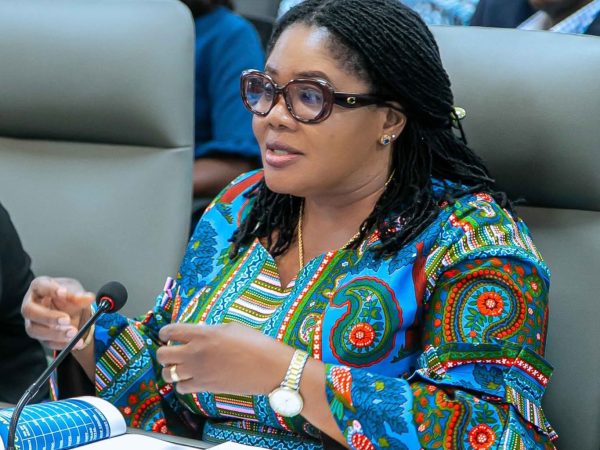
The call was made at the ECOWAS Parliament’s Parliamentary Seminar in Accra, where lawmakers and experts examined the impact of climate disruption on communities and economies across the sub-region.
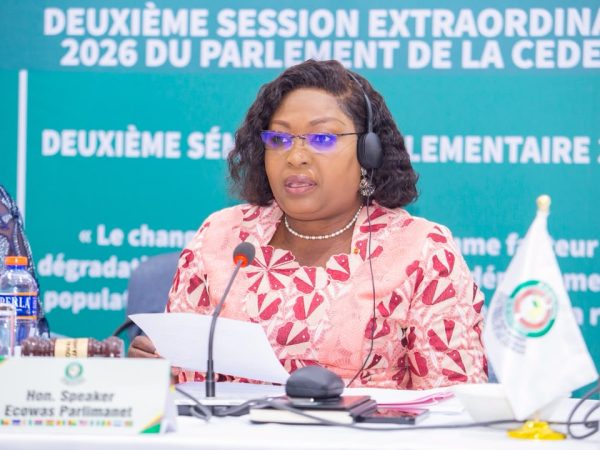
Opening the second Parliamentary Seminar of the year on Monday, September 21, 2026, the Speaker of the Sixth Legislature of the ECOWAS Parliament, Hadja Mémounatou Ibrahima, urged lawmakers to move beyond discussing the dangers of climate change and focus on practical interventions to protect communities and livelihoods.
She said climate change could no longer be treated as a distant environmental threat, as communities were already experiencing declining agricultural productivity, coastal erosion, flooding, displacement and loss of livelihoods.
“Climate disruption can no longer be measured only in degrees, statistics or projections,” Hadja Mémounatou Ibrahima said.
“It is read in land that yields less, in coastlines that retreat, in flooded neighbourhoods, in families losing their livelihoods and in communities forced to relocate,” she added.
The Speaker said governments and institutions should focus on protecting citizens’ dignity, security and living conditions as environmental conditions changed faster than many communities could adapt.
She challenged ECOWAS lawmakers to identify the climate-related challenges confronting communities across member states and develop responses that addressed their immediate and long-term needs.
“Our responsibility during this Seminar will be precisely to connect these realities, not to restate here what we already know, but to better understand what is at stake in our territories and to consider the most appropriate responses,” she said.
Hadja Mémounatou Ibrahima also called for stronger collaboration between parliamentarians and scientific and technical experts, saying effective climate policies must combine technical knowledge with the lived experiences of affected communities.
“The expertise that will be shared with us should inform our discussions. But it must also meet the experience of parliamentarians, who remain in close contact with their territories and their people,” she said.
“It is from this dialogue between technical knowledge and lived realities that truly useful proposals can emerge,” she added.
The seminar brings together ECOWAS parliamentarians and experts to examine the implications of climate change and consider responses to environmental challenges confronting member states.
The Speaker also acknowledged Ghana’s Founder’s Day, commemorated on September 21 to mark the birthday of Ghana’s first President, Osagyefo Dr Kwame Nkrumah.
She said the occasion was significant to the seminar because of Dr Nkrumah’s vision of an independent Ghana and a united Africa capable of determining its own destiny.
She noted that African unity and collective action remained relevant to addressing challenges such as climate change, which transcend national borders and require coordinated regional action.
The seminar is expected to enable lawmakers and experts to exchange knowledge, assess community realities and consider measures to strengthen resilience, protect livelihoods and safeguard lives across the ECOWAS region.
The discussions come as communities and economies across West Africa face increasing pressure to adapt to environmental changes and climate-related risks.

Source: Felix Nyaaba/expressnewsghana.com
About Author