The primary function of ExpressNews Ghana is to gather, process and distribute news about Ghana, Africa and to the World. To serve as a News Agency with the mandate to present complete, in-depth objective and impartial informati… Read more>>
Be the Frontline of the Reset Agenda — NHIA Deputy CEO Urges NDC Communicators
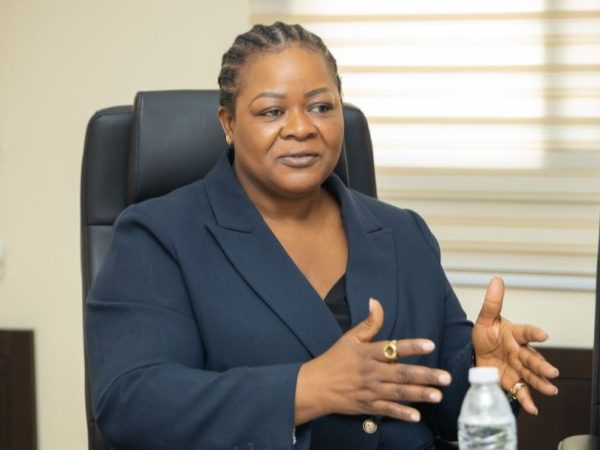
The Deputy Chief Executive Officer of the National Health Insurance Authority (NHIA) in charge of Finance and Investment, Ms Anatu Anne Seidu Bogobiri, has urged communicators of the ruling National Democratic Congress (NDC) in the Upper East Region to position themselves at the forefront of communicating the achievements of the government’s Reset Agenda.
She said effective communication was critical to ensuring that Ghanaians understood government policies, programmes and investments aimed at improving their living standards and strengthening the national economy.
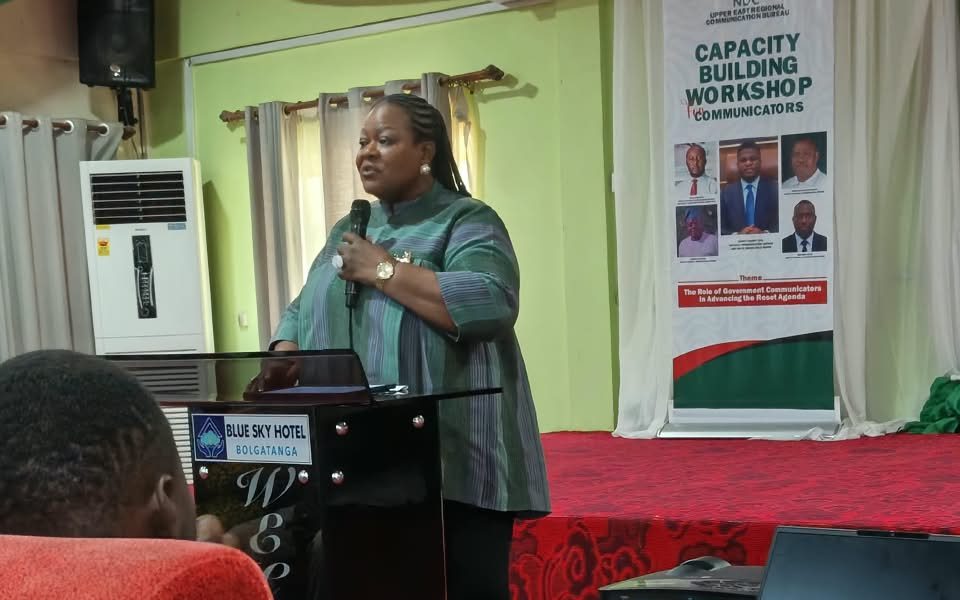
Ms Bogobiri made the call on Saturday, August 15, 2026, when she addressed an NDC Communicators Capacity Building Workshop organised by the party’s Upper East Regional Communication Bureau in Bolgatanga.
Speaking on the theme, “The Role of Government Communicators in Advancing the Reset Agenda,” she described communication as a powerful tool capable of shaping public opinion, influencing political outcomes and ensuring that government achievements reached the people.
“I am deeply honoured by this invitation from the NDC Upper East Regional Communication Bureau at a time when our nation is demanding nothing less than a RESET,” she said. “Communication is not PR or propaganda. Communication is power. In the Ghanaian political space, we have seen elections won and lost not just on policy, but on who tells the story better.”
According to her, good policies could fail to gain public recognition when they were not properly communicated, while misinformation and negative narratives could thrive in the absence of effective communication.
“We have seen good policies die in silence, and bad narratives thrive because communication was not effectively harnessed or coordinated. That is why you—the communication officers on the ground in the regions—are the frontline of the Reset Agenda,” she stated.
Ms Bogobiri stressed that the Reset Agenda should not be treated merely as a political slogan but as a commitment to delivering tangible improvements in the lives of Ghanaians.
“The Reset Agenda is not a slogan. The Reset Agenda is a covenant. It is the promise that government must work for the market woman in Navrongo, the teacher in Bawku, the nurse in Sandema and the youth in Pusiga who are asking: ‘What has government done for me and what has government done for our constituencies?’”
Ms Anne Bogobiri with Dr Clement Apaak, Deputy Minister for Education
She said government achievements did not automatically communicate themselves and, therefore, communicators had a responsibility to consistently present the facts, evidence and impact of government interventions to the public. “Achievements don’t speak for themselves. Reforms don’t defend themselves. We must communicate our achievements and own our achievements,” she emphasised.
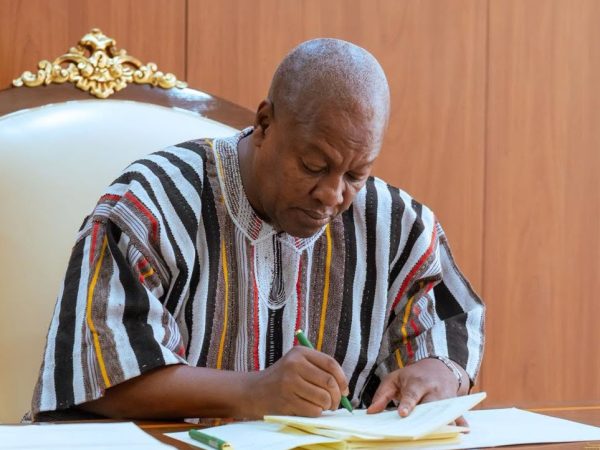
Highlighting achievements in the health sector, Ms Bogobiri cited the uncapping of the National Health Insurance Fund (NHIF) under President John Dramani Mahama as a major intervention that had strengthened the National Health Insurance Scheme.
She said the government had, by April 2025, cleared outstanding claims arrears of about GH¢953 million owed to health service providers, while the NHIA had subsequently maintained monthly claims payments.
She further disclosed that the Authority paid approximately GH¢1.4 billion in claims to healthcare providers between January and July 2026.
According to her, active NHIS membership had increased from 54 percent at the end of 2024 to 66 percent at the end of 2025, reaching 76 percent as of June 2026.
She also pointed to the rollout of Free Primary Healthcare and the Ghana Medical Trust Fund, popularly known as MahamaCare, as significant interventions intended to improve access to healthcare and reduce the financial burden associated with chronic illnesses.
“These are achievements we should shout from the rooftops for Ghanaians to know—not just to know, but to make good use of these policy interventions to their benefit,” she said.
Ms Bogobiri challenged NDC communicators to move beyond simply reading press releases and instead communicate with conviction, speed and factual evidence.
“With all due respect, we cannot communicate like civil servants reading press releases. We must communicate like believers—like people who know that what we are defending is life itself,” she said.
She advised communicators not to become defensive when confronted with criticisms of government performance but to respond with verifiable evidence.
“When someone says that the government has failed, please don’t get defensive. Just show the data. Show the investment. Show the Reset in action. Show them the documents,” she urged.
She further called on communicators to be proactive rather than reactive, arguing that they should lead public conversations instead of waiting for the opposition to define government policies. “Be proactive, not reactive. Lead the discourse, dictate the conversation and command the narrative wherever you find yourself,” Ms Bogobiri said.
She also encouraged communicators to make their messaging locally relevant by using indigenous languages and addressing issues that directly affected communities while connecting such concerns to the broader national development agenda.
“Speak in Gurune, in Kusaal, in the language of the market, but tie it to the national Reset Agenda. Show people that Bolgatanga’s clinics and Accra’s policies are connected,” she advised.
On political communication, she called for greater discipline, coordination and consistency among NDC communicators, insisting that the party needed to be organised in presenting its message.
“We must be ten times more organised in our truth,” she stated.
Ms Bogobiri also urged communicators to make better use of limited airtime by reducing lengthy introductions and greetings and using the opening moments of media engagements to highlight government achievements.
She said communicators should consistently repeat key achievements in areas such as healthcare, roads, education and the economy, particularly projects and interventions directly benefiting communities in the Upper East Region.
“Let us repeat our achievements morning, afternoon and evening in our intro and closing remarks until they become songs on the lips of our people. That is why your children can sing every advert on TV—because repetition works,” she said.
In her concluding remarks, Ms Bogobiri reminded the communicators that the task ahead was demanding but crucial to the success of the government.
“The work is hard, I know, but the mission is sacred. Let’s go back to our constituencies with fire. Let’s go back with data,” she charged.
She added: “The Reset Agenda must succeed. We must let every Ghanaian know that this government is indeed working. Every project must receive sunshine. Communicators, you are our sunshine. You are the sunshine of the NDC.”