


Engineer Warns Property Owners against Relying on Artisans for Technical Decisions

Property owners and prospective developers have been urged to engage qualified engineers throughout the construction process to ensure safety, durability and value for money, rather than relying solely on artisans to make critical technical decisions.
Engr. Amoah gave the advice. John Amoah, a former Council Member of the Institution of Engineering and Technology, Ghana (IET-GH), and a current member of the institution’s Production and Publication Committee.
Engr. Amoah, who is also Head of Works, Physical Development and Facility Management at St. John Bosco College of Education, Navrongo, said construction projects often represented significant investments, making professional engineering guidance essential at every critical stage.
He explained that while artisans remained important to the construction industry because of their practical skills and experience, they should not be expected to replace qualified engineers in areas requiring professional engineering judgement.
“Construction is a major investment, and decisions made during the process can have long-term consequences for the safety, durability and usefulness of a building,” he said.
According to him, engineers are professionally trained to interpret technical drawings, assess structural requirements, determine appropriate loads, consider environmental conditions, coordinate technical aspects of construction and identify potential problems before they become costly defects.
Engr. Amoah therefore cautioned property owners against approving major alterations to professionally prepared and approved drawings simply because an artisan proposes a cheaper or seemingly easier alternative.
He warned that construction shortcuts that appear to save money in the short term could eventually lead to serious and expensive problems, including cracks, leakage, premature deterioration and, in extreme cases, threats to the safety of occupants.
“Do not let today’s shortcut become tomorrow’s problem,” he cautioned.
‘Tell Your Engineer Your Story’
The engineer also encouraged property owners to be open and honest with their engineers about their financial circumstances, the purpose of their projects and their plans.
He said clients should clearly communicate what they intend to build, their available resources, how the facility would be used and any financial constraints they might be facing.
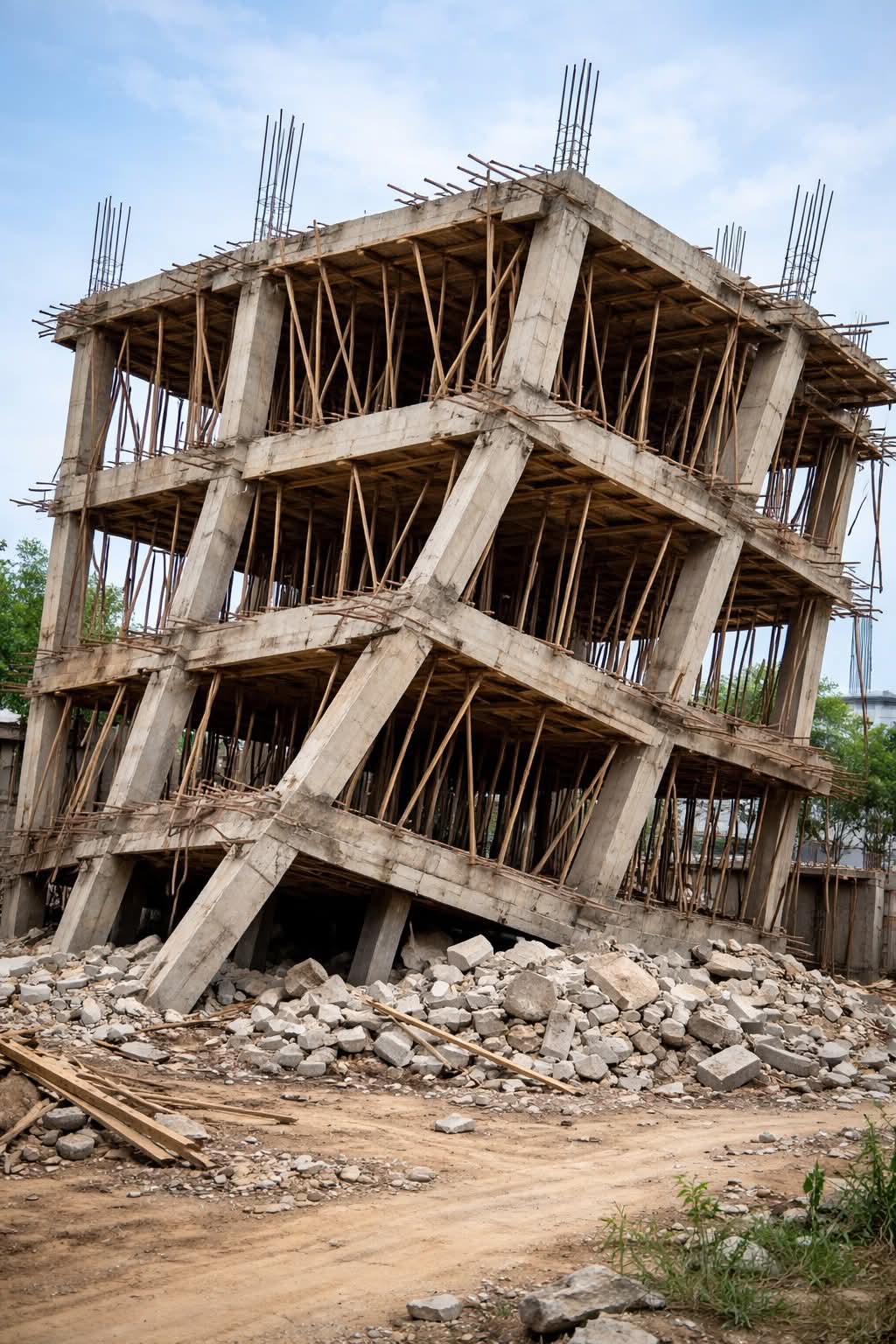
According to him, such information enables engineers to understand the client’s priorities, review the scope of work and develop practical solutions that meet the client’s objectives without compromising appropriate safety and professional standards.
“Tell your engineer your story,” Engr. Amoah urged, explaining that every client had different circumstances and that professional engineers could use their knowledge and experience to develop solutions suited to those circumstances.
He noted that the needs of a person constructing a first home could differ significantly from those of a developer putting up rental properties, schools, offices, shops or other commercial facilities.
Safety Should Come Before Short-Term Savings
Engr. Amoah further advised property owners and developers not to sacrifice long-term safety and durability in pursuit of immediate cost savings.
He said although professionally designed and properly supervised projects might require greater investment at the initial stage, effective planning could help minimise construction errors, unnecessary expenditure and future maintenance costs.
He urged property owners to engage qualified engineers at the appropriate stages of their projects, adhere to approved professional drawings and specifications, and consult engineers before making significant changes to designs.
He also encouraged clients to engage both engineers and artisans, stressing that each has an important role to play and should operate within the limits of their professional competence.
“A building is more than blocks, cement, iron rods and roofing sheets. It is an investment in the future of individuals, families and communities,” he said.
Engr. Amoah’s call forms part of broader efforts to promote safer, professionally supervised and sustainable construction practices, particularly by encouraging property owners to recognise the importance of engineering expertise from the design stage through to completion.
Source: Joseph Napoleon Anaaya,
About Author