

Queen Mothers Must Be Heard on National Issues — Dr. Zanetor Agyeman-Rawlings Advocates Greater Inclusion
Dr Zanetor Agyeman-Rawlings, Member of Parliament (MP) for Klottey Korley and Second Vice-President of the Pan-African Parliament, has called for greater recognition and inclusion of Queen Mothers in Ghana’s governance and traditional leadership structures, insisting that their role in nation-building remains indispensable.
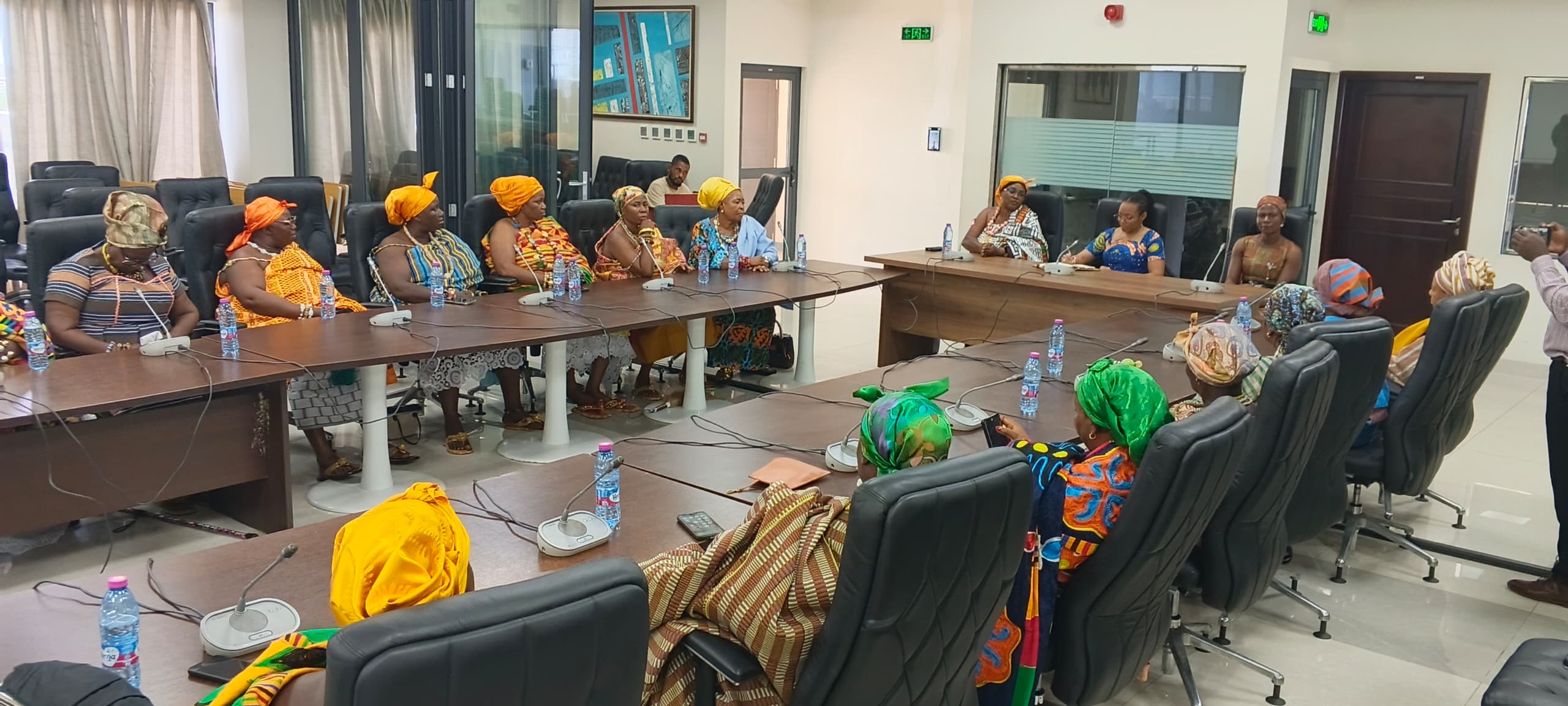
Speaking during a courtesy call by the All Regions Queen Mothers Association at her office in Parliament on Thursday, May 14, Dr. Zanetor stressed that Queen Mothers must not be sidelined in conversations on justice, peacebuilding, and national development.
According to her, Queen Mothers continue to serve as the moral and social backbone of many communities by advocating fairness, protecting vulnerable groups, and preserving cultural values.
“Your voices matter. You are not advocating for yourselves alone; you are advocating for your communities, and that is highly commendable,” she stated.
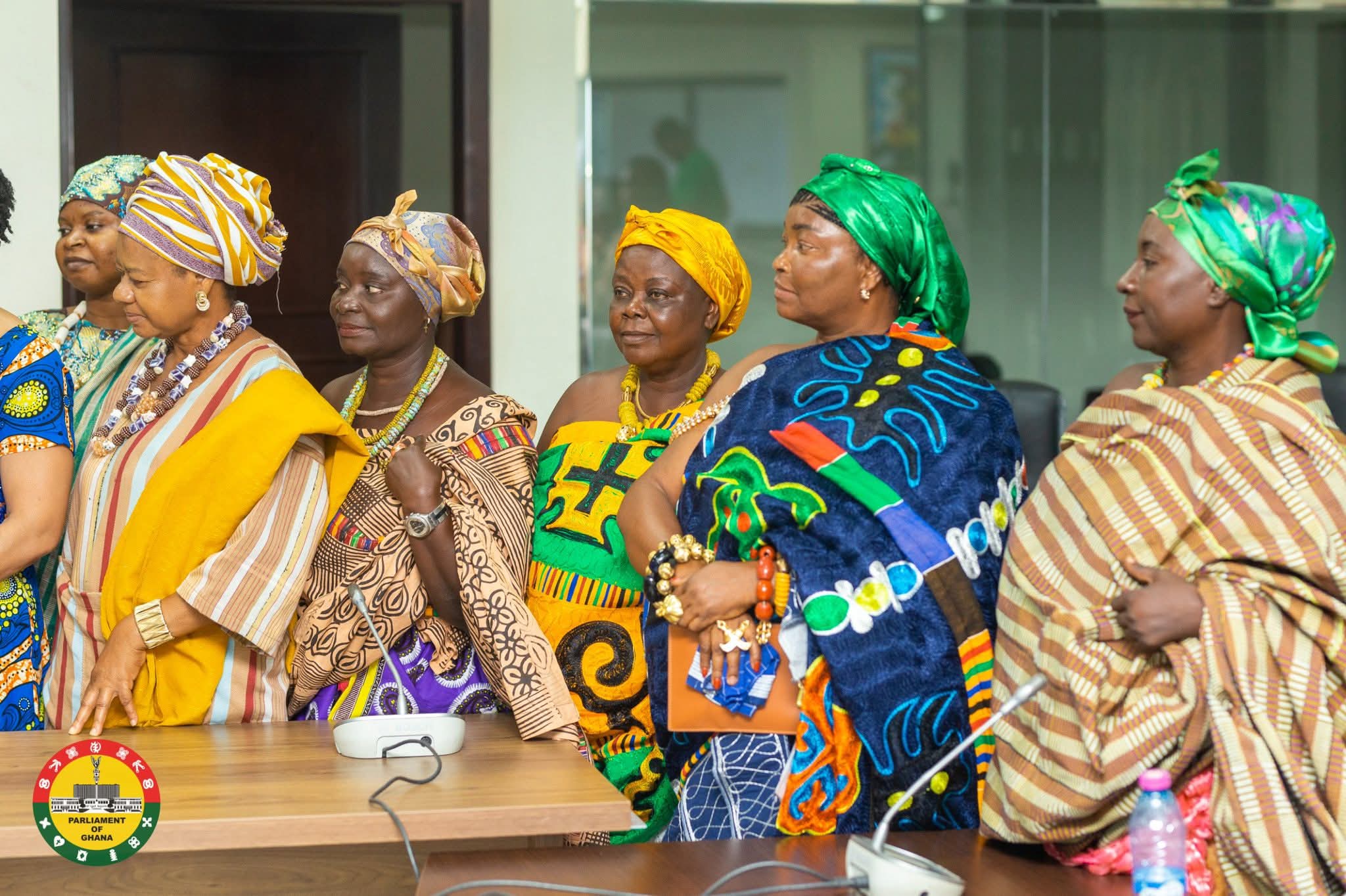
The delegation, led by Nana Otubea II, President of the All Regional Queen Mothers Association, visited Parliament to congratulate Dr. Zanetor following her recent election as Second Vice-President of the Pan-African Parliament, a historic achievement that has attracted praise from women’s groups and traditional leaders across the country.
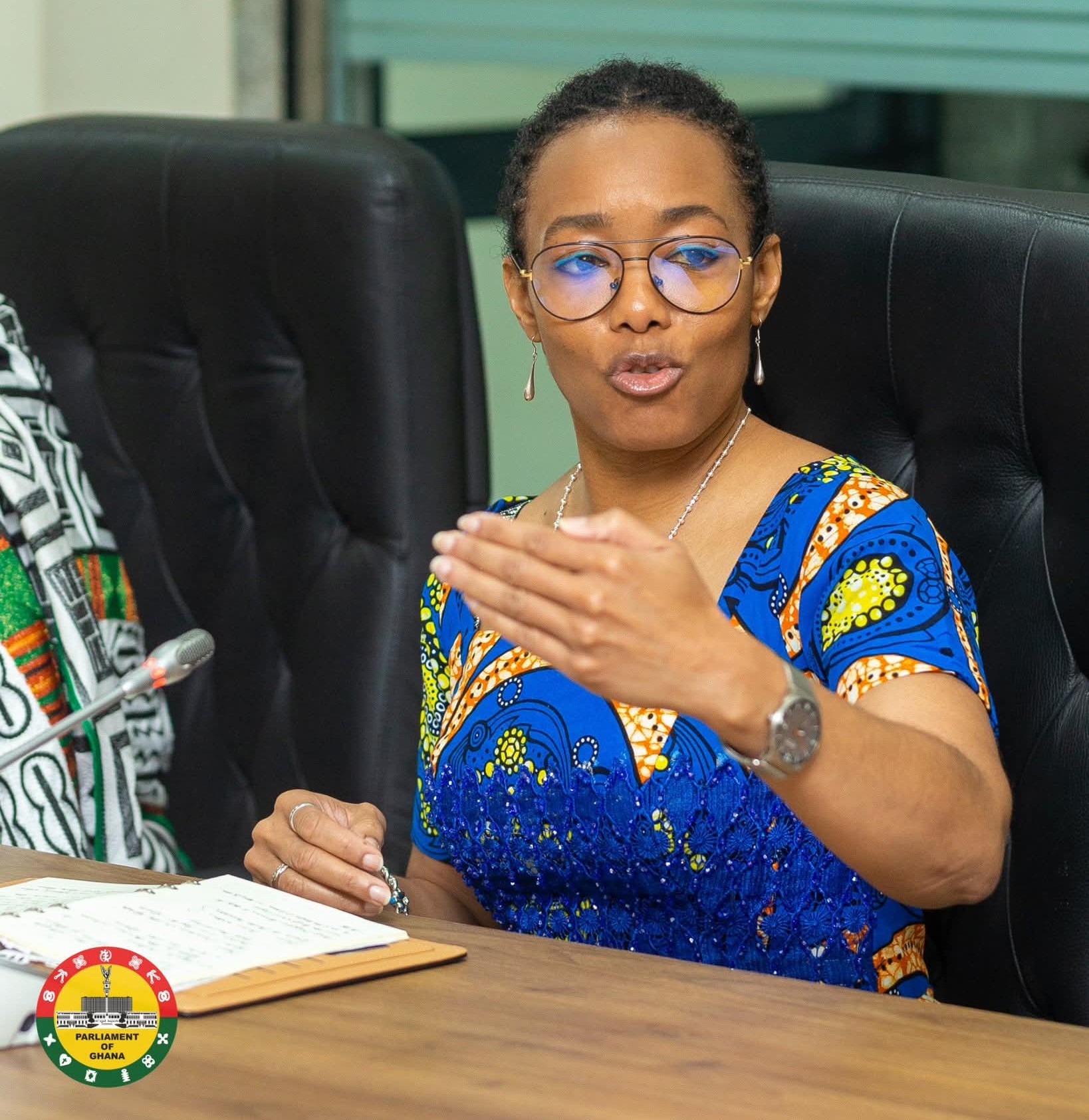
Dr. Zanetor assured the Queen Mothers of her commitment to championing women’s rights and inclusion through continental human rights platforms, particularly within the African Union framework.
She disclosed that one of her first assignments after her election was participating in activities marking the 40th anniversary of the African Commission on Human and Peoples’ Rights, where discussions focused heavily on implementing the Maputo Protocol on the Rights of Women in Africa.
According to her, the protocol provides an important legal and institutional framework for protecting women’s rights across the continent, urging Ghanaian women leaders to take advantage of such continental mechanisms.
“We are not asking for too much. We are only asking for fairness and justice,” she emphasized.
Her remarks come at a time when concerns continue to grow among Queen Mothers over what they describe as persistent marginalisation within Ghana’s traditional governance system, particularly regarding representation in the National and Regional Houses of Chiefs.
For years, Queen Mothers have complained about limited participation in decision-making processes despite their crucial roles in conflict resolution, social cohesion, cultural preservation, and community development.
Many traditional leaders argue that while chiefs are constitutionally recognised and represented within the National and Regional Houses of Chiefs, Queen Mothers are often excluded or given only ceremonial recognition without corresponding decision-making authority.
The issue has generated national debate in recent years, with several advocacy groups calling for reforms to ensure equitable representation for women within traditional institutions.
Dr. Zanetor acknowledged these concerns and assured the delegation that broader engagements involving continental human rights bodies would soon be initiated to address the matter comprehensively.
She revealed plans to engage officials of the African Commission on Human and Peoples’ Rights and the African Court on Human and Peoples’ Rights to support discussions aimed at strengthening protections and inclusion for Queen Mothers and women leaders.
According to her, Ghana has the opportunity to become a model for other African countries in advancing fairness and inclusion within traditional leadership systems.
“Ghana should become the framework or template for how these issues are addressed across Africa,” she noted.
The MP also praised Ghana’s National Peace Council system, describing it as one of the continent’s most effective preventive peacebuilding frameworks, while acknowledging the often-overlooked contributions of traditional leaders, including Queen Mothers, in maintaining peace within communities.
“If people understood how much work goes into preventing conflict quietly behind the scenes, they would appreciate the role Queen Mothers play even more,” she said.
Dr. Zanetor further stressed that conversations about women empowerment and affirmative action must move beyond rhetoric and translate into concrete institutional reforms.
“We cannot continue speaking about women empowerment without taking practical steps to ensure fairness and inclusion,” she added.
She proposed a major national engagement before the end of the year to bring together Queen Mothers, policymakers, human rights commissioners, traditional authorities, and government officials to deliberate on the way forward.
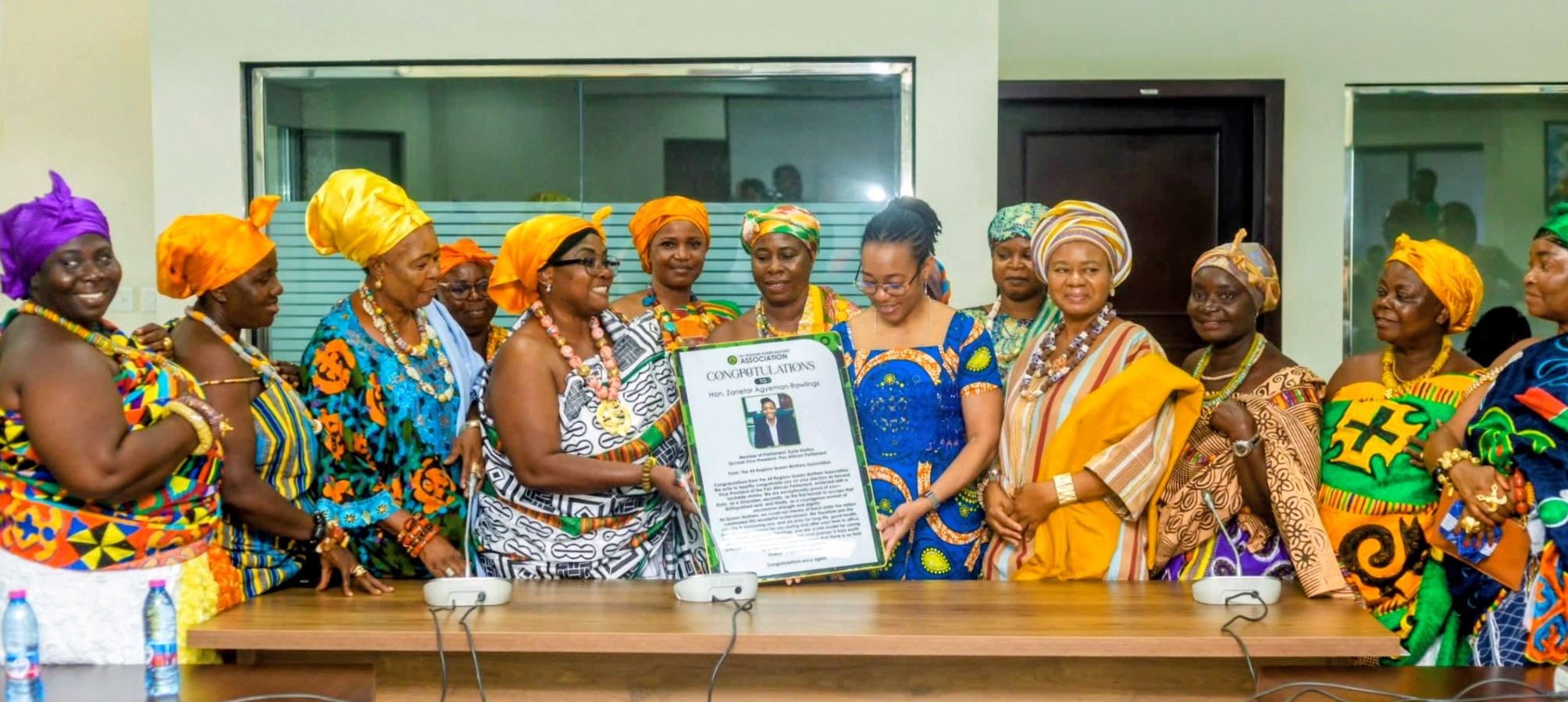
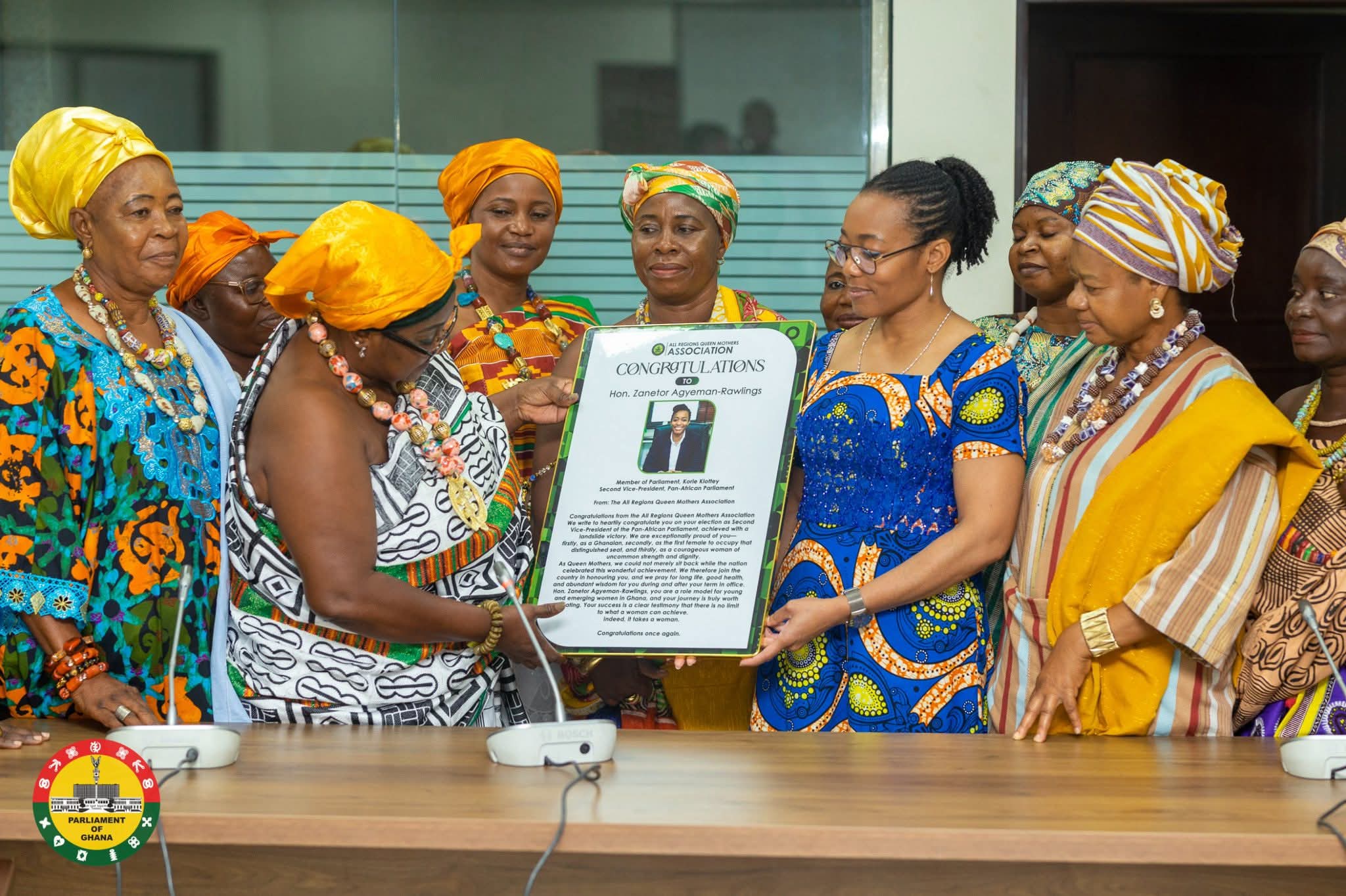
The Queen Mothers later presented a citation honouring Dr. Zanetor for what they described as her outstanding leadership and historic achievement at the Pan-African Parliament.
In the citation, the Association described her election as a proud moment for Ghana and for women across the continent.
“We are exceptionally proud of you, firstly as a Ghanaian, secondly as the first female to occupy that distinguished seat, and thirdly as a courageous woman of uncommon strength and dignity,” portions of the citation read.
The Association also praised Dr. Zanetor as a role model for young women, saying her achievement proves that women can excel at the highest levels of leadership when given the opportunity.
Earlier, Nana Otubea II, President of the All Regional Queen Mothers Association and Queen Mother of Nkonya, raised concerns over what she described as intimidation, exclusion, and harassment faced by some Queen Mothers within Ghana’s traditional leadership structures.
“We are advocating for full inclusion in the Regional and National Houses of Chiefs because the Affirmative Action law speaks about inclusivity, yet Queen Mothers have been excluded,” she stated.
According to her, Queen Mothers remain an integral part of Ghana’s traditional governance system and therefore deserve representation in key decision-making institutions.
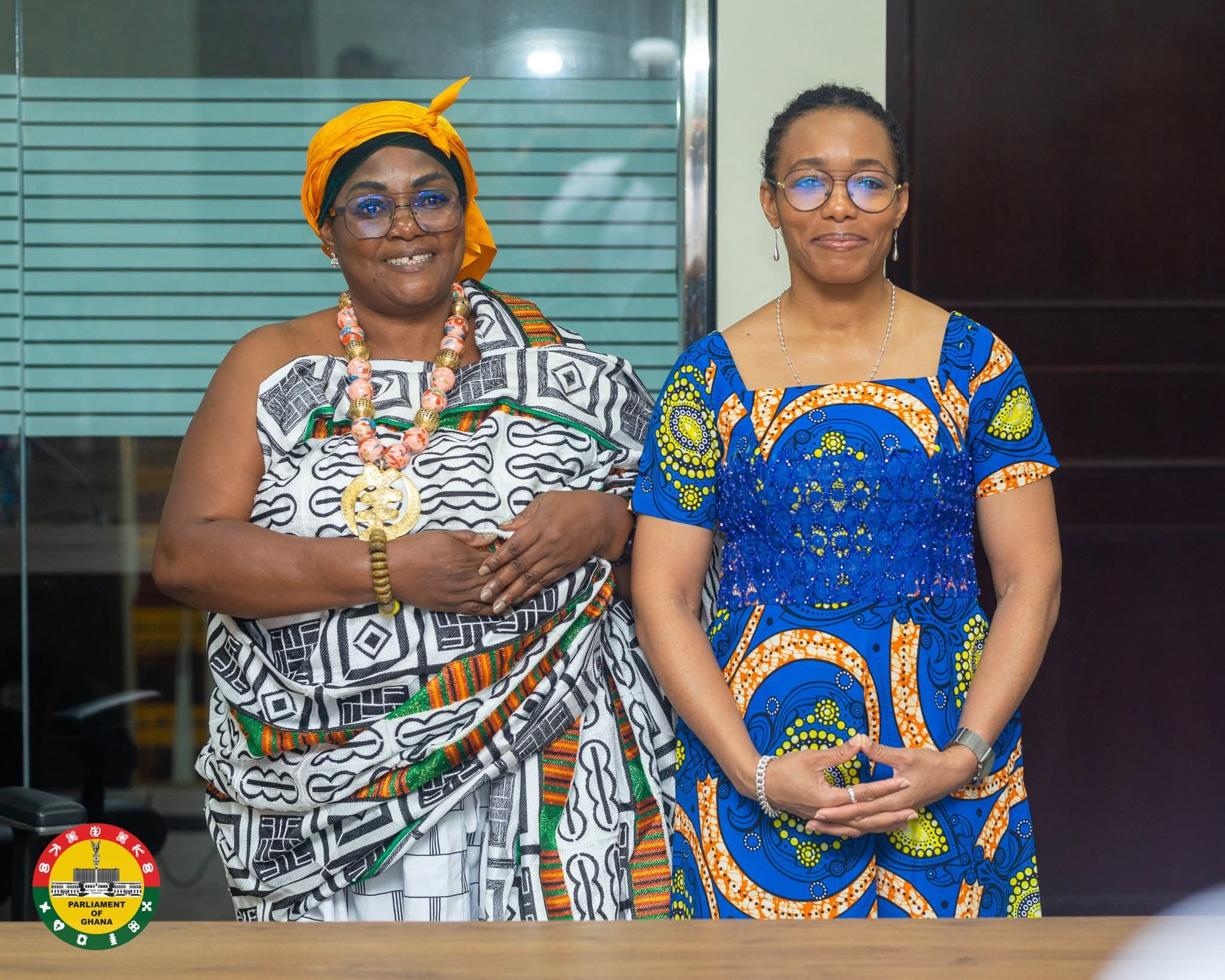
“We are the female counterparts of chiefs. At the traditional level, Queen Mothers advise chiefs and play major leadership roles in society, so why should we be excluded from institutions funded by the state?” she questioned.
Nana Otubea II disclosed that the struggle for recognition within the chieftaincy institution was initiated years ago by the late Konadu Agyeman-Rawlings, whom she praised for championing the cause of Queen Mothers.
She noted that unlike previous generations, many modern-day Queen Mothers are highly educated professionals, including lawyers, doctors, and PhD holders, who are prepared to defend their constitutional rights.
“The new generation of Queen Mothers will not be silenced by threats and intimidation. We know our rights and we are prepared to fight for them lawfully,” she stressed.
Nana Otubea II also expressed strong support for Dr. Zanetor following her election as Second Vice-President of the Pan-African Parliament.
“We have seen traits of her mother in her leadership. As an association, we have aligned ourselves with her and we are ready to support her in achieving her vision,” she said.
Touching on some of the challenges confronting Queen Mothers, Nana Otubea II narrated instances where some members were allegedly threatened with “disturbance” by traditional authorities after questioning certain decisions in their communities.
In one particular case, she explained that a Queen Mother who challenged a chief’s directive regarding the distribution of food items in a market was allegedly threatened and humiliated until the association intervened with legal support.
“She went through trauma and lost confidence because of the intimidation,” Nana Otubea II revealed.
She further recounted her own experience in Nkonya, where she claimed attempts were made to “disturb” her because of her advocacy activities.
“The matter went to the Regional House of Chiefs and it was made clear that they had no authority to carry out such actions,” she stated.
Nana Otubea II urged Queen Mothers across the country to rely on the Constitution and the Chieftaincy Act in defending their rights, insisting that unlawful accusations and intimidation could be challenged in court.
“If anyone attempts to unlawfully declare you disturbed, you can sue for defamation and damages,” she advised.
According to her, increased education and legal awareness among Queen Mothers have significantly reduced fear and silence within the institution.
“Before now, many Queen Mothers were afraid to openly advocate for women’s rights, but today more women are boldly standing up because they know their rights,” she added.
She, however, dismissed claims that Queen Mothers seeking representation at the National and Regional Houses of Chiefs intended to fight male chiefs.
“We are not coming to fight the chiefs. We want to join them to help make the right decisions and protect the dignity of the chieftaincy institution,” she explained.
Nana Otubea II further expressed concern about what she described as the declining public image of the National House of Chiefs, insisting that the inclusion of Queen Mothers could help restore respect and credibility to the institution.
“The National House of Chiefs has become a subject of ridicule because of some decisions and happenings. We believe our involvement will help strengthen and protect the institution,” she said.
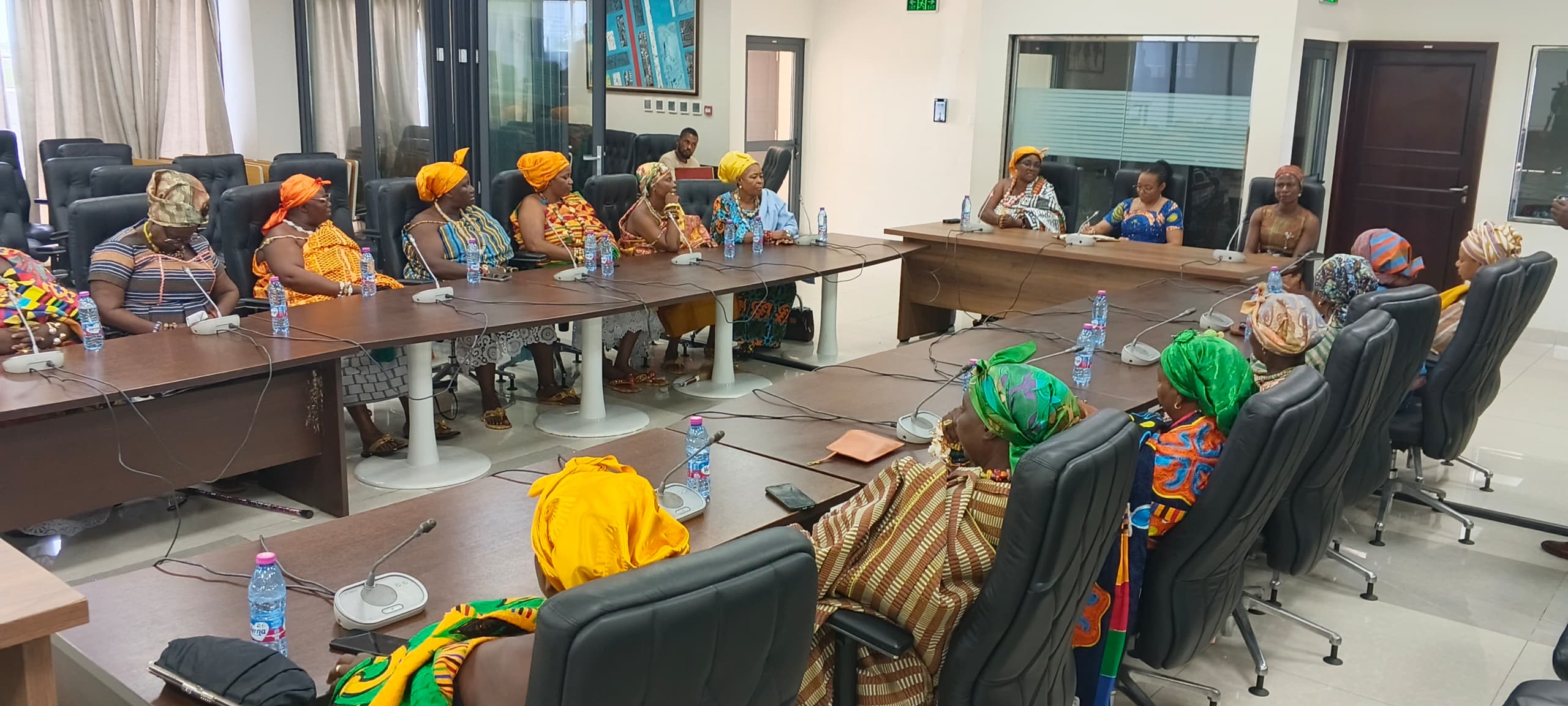
Source: Felix Nyaaba // expressnewsghana.com
About Author