
Over 68000 Children in Ghana Lack Access to Sufficient Nutritious Food- WOMEC Research Reveals
—--as NHIA Reaffirms Commitment to Nutrition Financing
A new research presentation by Women, Media and Change (WOMEC) has revealed troubling child nutrition figures in Ghana, with 68,517 children reportedly suffering various forms of malnutrition, while six per cent of children under five years are wasted annually.
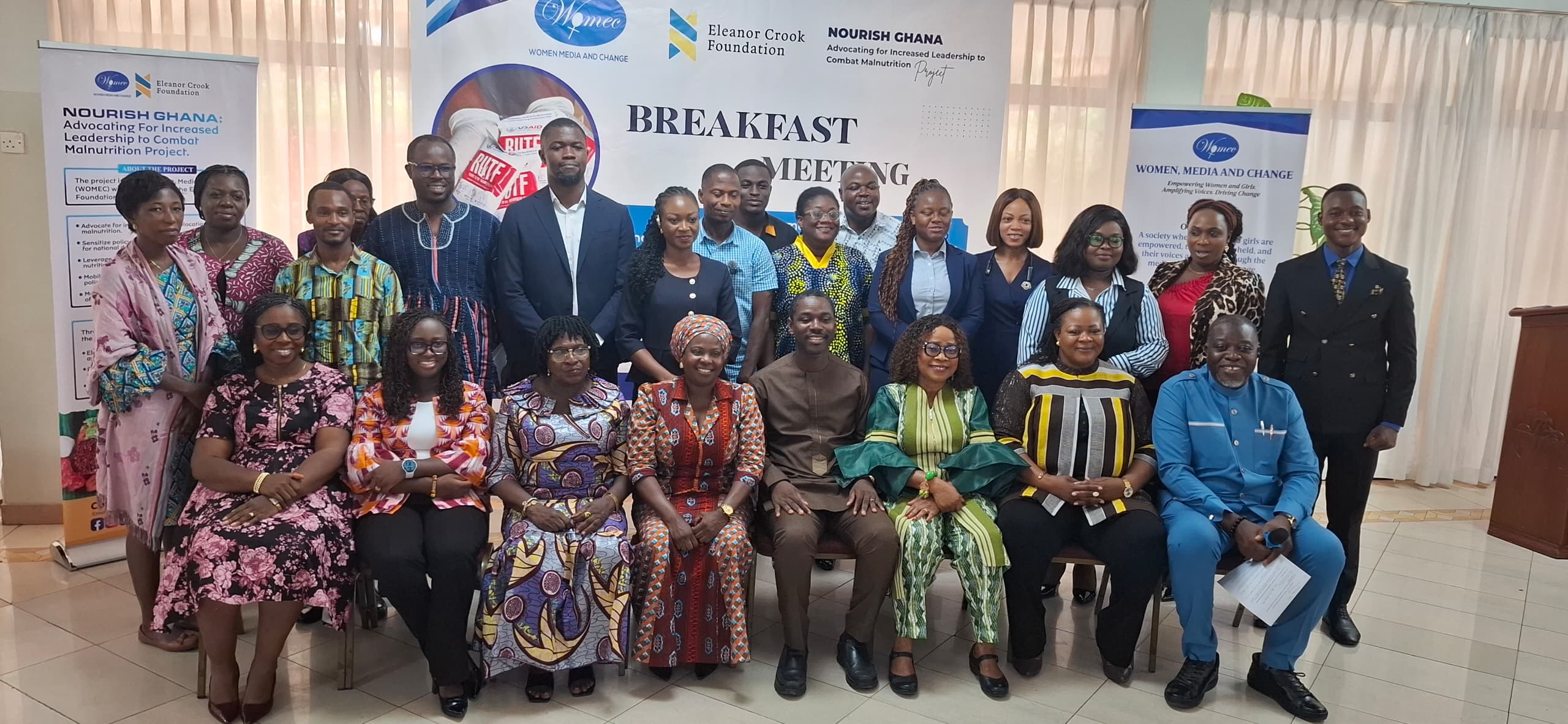
The findings, presented at a high-level breakfast meeting in Accra on Thursday, May 21, 2026 painted a worrying picture of worsening hunger and malnutrition across Africa and renewed calls for stronger domestic financing for maternal and child nutrition interventions in Ghana.
According to the research, global hunger remains on the rise despite international efforts to improve food security.
The study indicated that between 690 million and 783 million people experienced hunger in 2022, while about 2.4 billion people lacked access to sufficient nutritious food throughout the year due to the lingering impact of the COVID-19 pandemic, rising inflation and increasing costs of healthy diets.
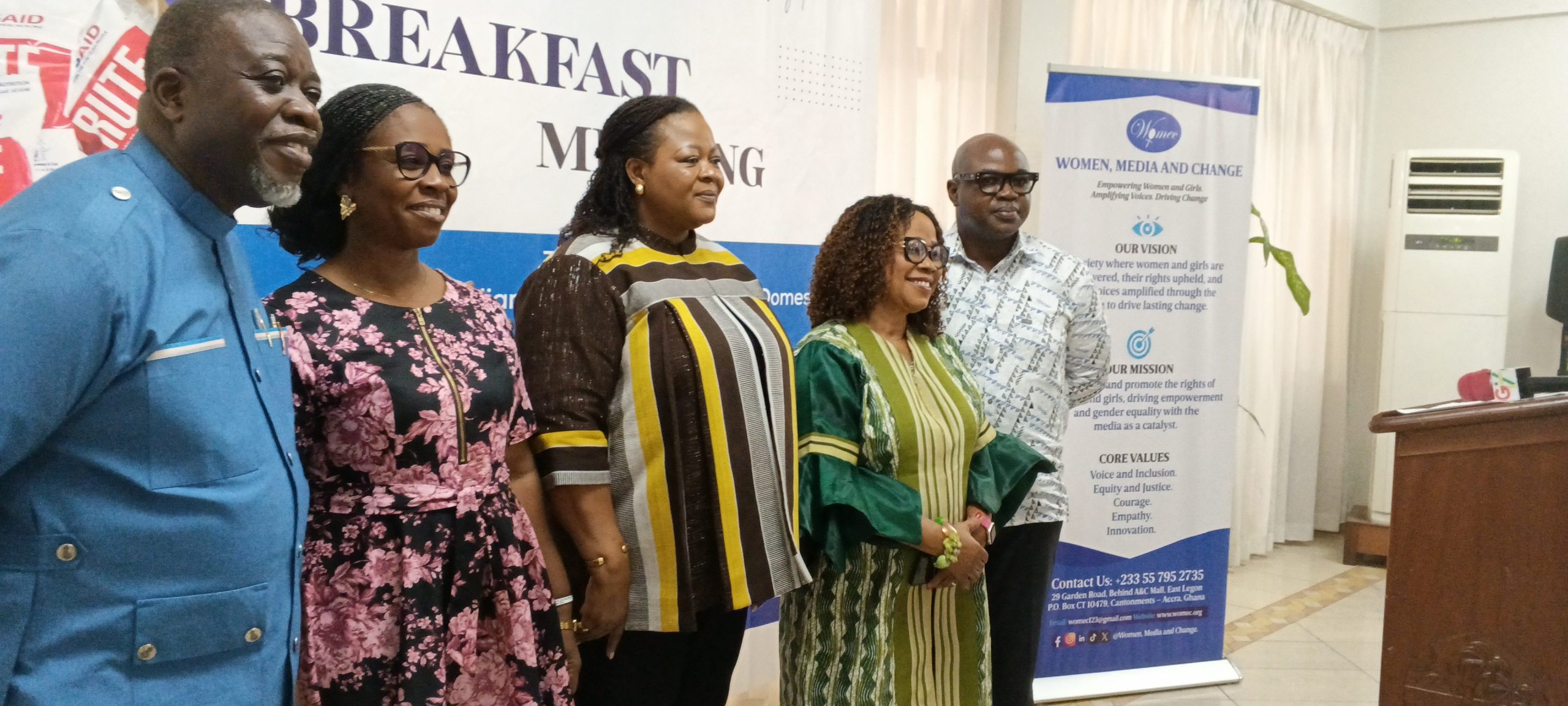
The meeting, organised by Women, Media and Change (WOMEC) under the theme “Strengthening Parliamentary Action for Maternal and Child Nutrition Financing in Ghana,” brought together Members of Parliament, health sector stakeholders, development partners and civil society organisations to discuss ways of addressing Ghana’s nutrition financing gap and strengthening accountability toward the country’s Nutrition for Growth commitments.
Speaking at the event, the Executive Director of WOMEC, Dr Charity Binka, said the breakfast meeting sought to push for stronger domestic financing for nutrition and improve policy coordination around maternal and child healthcare.
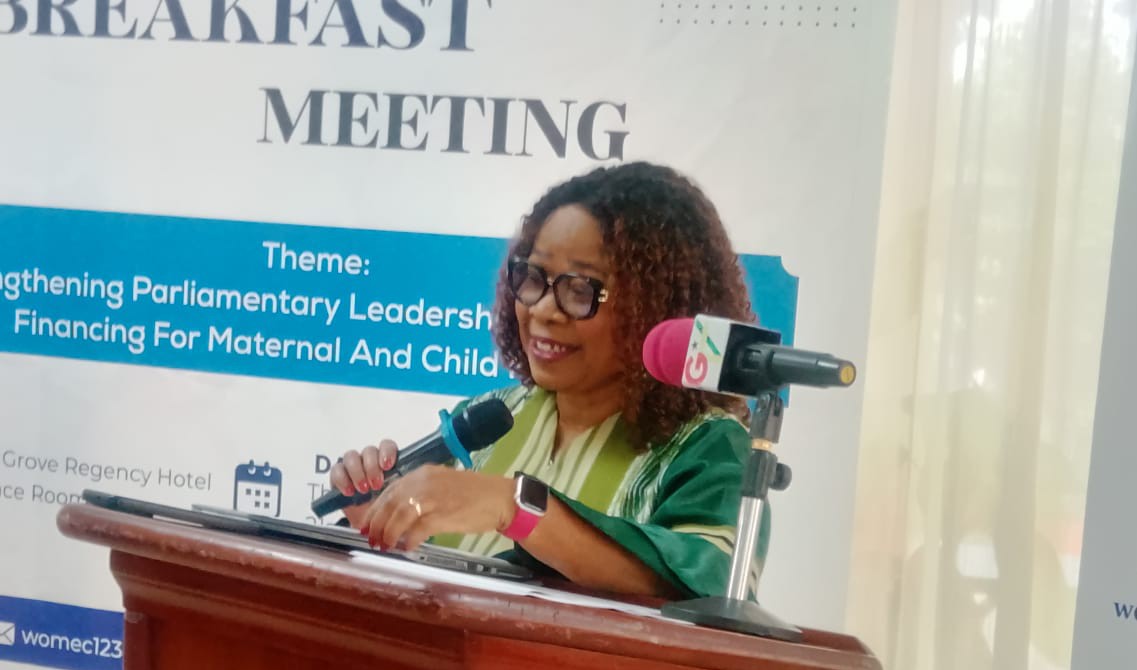
According to her, the discussions were also focused on addressing gaps within the National Health Insurance Scheme relating to maternal and child nutrition, strengthening multi-sectoral coordination and enhancing parliamentary leadership and accountability on nutrition financing.
“We need stronger national commitment and practical interventions that place maternal and child nutrition at the centre of our development agenda,” she stressed.
Member of Parliament for Lambussie and member of Parliament’s Health Committee, Professor Titus Beyuo, assured participants of Parliament’s commitment to supporting policies and budgetary allocations aimed at improving child nutrition and maternal healthcare in the country.
According to him, Parliament would continue to work closely with relevant institutions and government agencies to ensure sustainable financing for nutrition programmes.
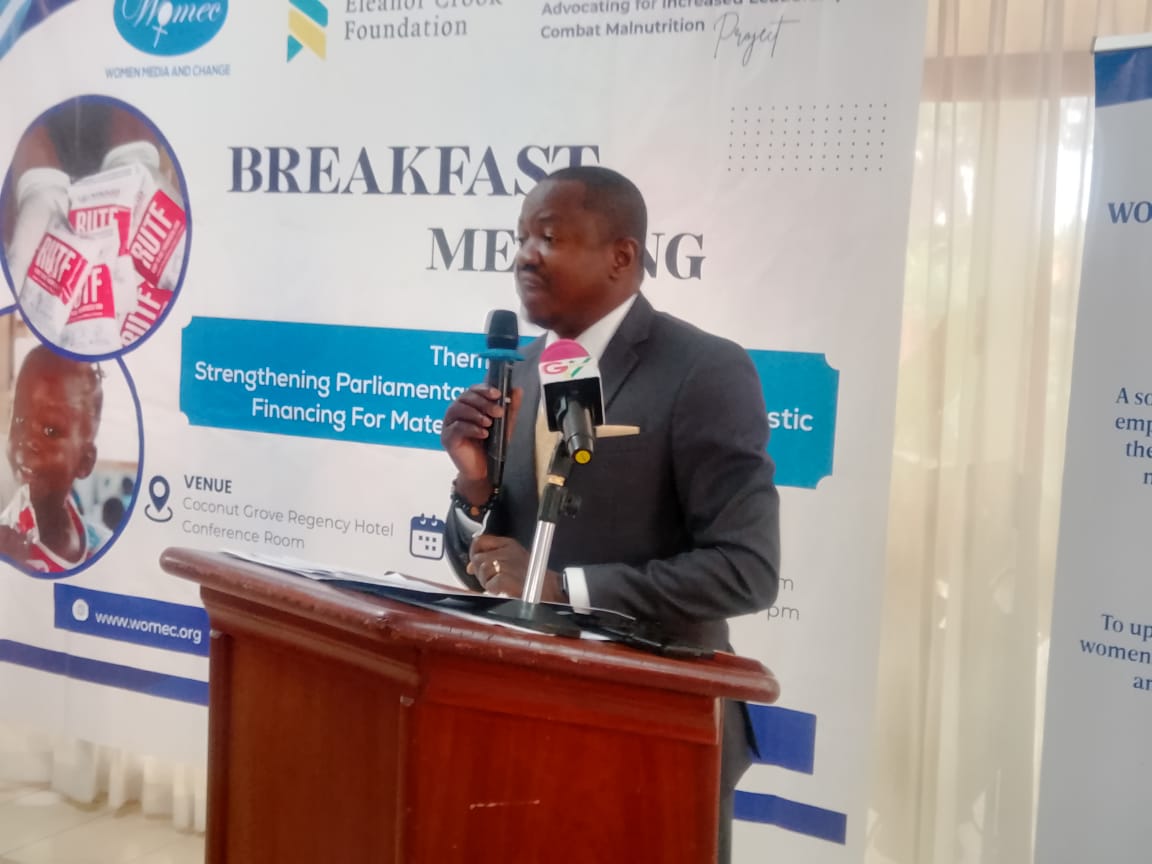
“Parliament has a pivotal role to play and we are ready to join forces with institutions and government to provide the necessary support for nutrition financing in Ghana,” he stated.
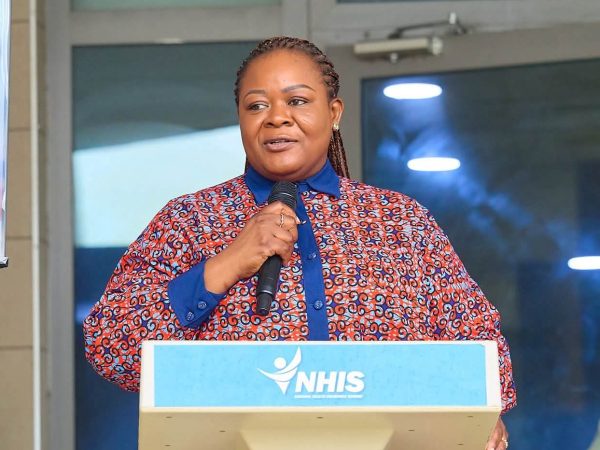
The Deputy Chief Executive Officer of the National Health Insurance Authority for Finance and Investment, Anatu Anne Seidu Bogobiri, also reaffirmed the Authority’s commitment to supporting national and civil society efforts aimed at improving maternal and child healthcare outcomes.
She described maternal and child nutrition as a critical national development issue that extends beyond healthcare.
“Sometimes we speak about nutrition as though it is only a medical issue, but in reality, it touches every part of national life — our schools, our economy, our families and ultimately the future of our country,” she stated.
Ms. Bogobiri noted that many pregnant women across the country still struggle to access proper nutrition, while children continue to suffer developmental challenges due to inadequate nutrient intake.
“When you visit some of our communities and speak to frontline health workers, you begin to appreciate how serious this challenge really is. You meet nurses and community health officers doing their best with limited resources. You meet mothers who must choose between feeding the family and seeking healthcare,” she said.
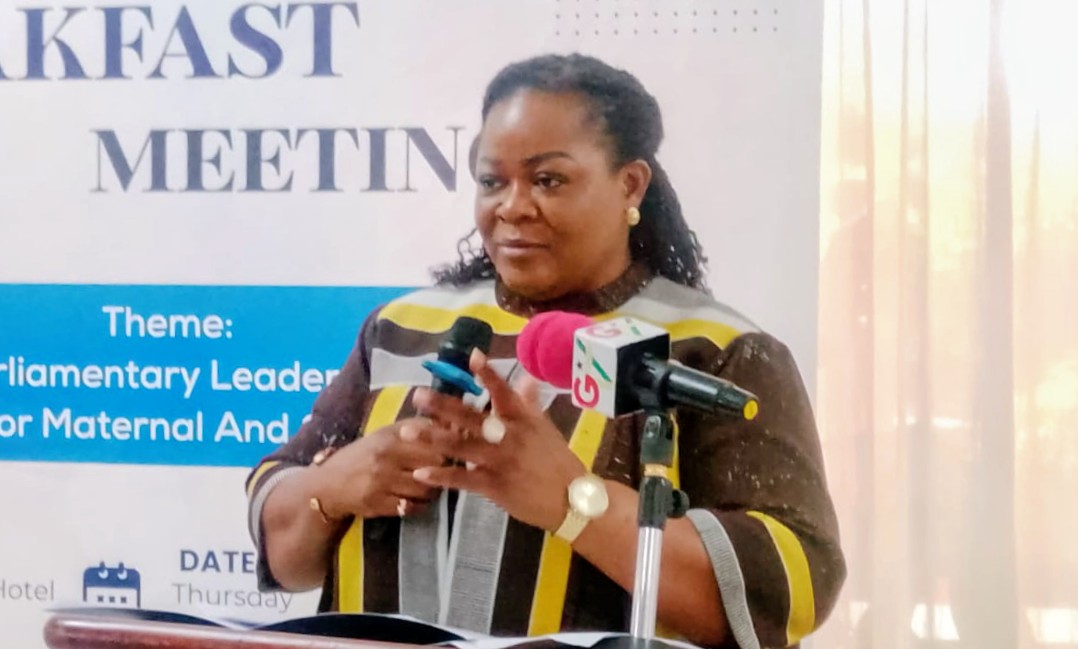
She warned that malnutrition continues to impose long-term social and economic burdens on Ghana through poor educational outcomes, reduced productivity and rising healthcare costs.
“The truth is, investing in nutrition is one of the smartest investments any country can make,” she emphasized.
Ms. Bogobiri explained that under the National Health Insurance Scheme, maternal healthcare services are currently covered from antenatal care through delivery and postnatal care under the Free Maternal Healthcare Policy.
Although nutrition is not yet covered as a standalone benefit package, she said pregnant women currently receive nutrition education and counselling during antenatal visits as part of preventive healthcare services.
She further disclosed that medications prescribed for conditions such as anaemia and vitamin deficiencies, including iron supplements, folic acid and multivitamins, are covered under the Scheme as part of treatment.
The NHIA Deputy CEO also revealed that the Authority is exploring strategic health financing options to support interventions such as Ready-to-Use Therapeutic Food and Multiple Micronutrient Supplements for vulnerable mothers and children.
“These interventions can make a real difference, especially for vulnerable mothers and children, but sustainability is key,” she noted.
She cautioned against overreliance on donor support and fragmented interventions, stressing the need for a coordinated and sustainable national nutrition system.
“We cannot continue depending only on temporary support or fragmented interventions. We must begin to build systems that can support these services consistently and equitably,” she stressed.
According to her, stronger coordination among government institutions, development partners, civil society organisations and the private sector remains essential in tackling child nutrition financing challenges.
“Sometimes in our system, everybody is working hard, but not always in the same direction. One institution is collecting data here, another is running a programme there, another partner is funding a separate intervention somewhere else. Meanwhile, the mother in the community simply wants accessible and reliable care,” she stated.
She called for stronger domestic commitment toward maternal and child nutrition financing, insisting that no child should suffer the long-term effects of malnutrition because support came too late or systems failed to work effectively.
“If we get this right, the impact will go far beyond healthcare. We will be investing in stronger families, stronger communities and a stronger Ghana,” she added.
The meeting also highlighted recent international commitments toward nutrition financing. Participants were told that a recent global health and nutrition summit in France secured $27.55 billion in pledges from countries and development institutions to support nutrition and maternal healthcare initiatives worldwide.
Among the pledges announced were €6.5 billion from the European Union between 2024 and 2029, with €3.4 billion earmarked for Sub-Saharan Africa, while France committed €750 million through development assistance and emergency food aid, including support for projects in Ghana.
Development finance institutions including the World Bank, African Development Bank and the Asian Development Bank also announced multi-billion-dollar commitments toward nutrition and healthcare financing, while the Government of Ghana pledged six million dollars annually to support the procurement of essential nutrition commodities.
Source: Felix Nyaaba//expressnewsghana.com
About Author