

Parliament Passes 12 Bills, Processes 173 Questions in Second Meeting of Ninth Parliament

The Second Meeting of the Second Session of Ghana’s Ninth Parliament ended on Friday, July 31, 2026, with the House recording significant legislative and oversight activity during 37 daily sittings.
The meeting, which commenced on Thursday, May 21, 2026, saw Parliament consider and pass 12 Bills, process 173 parliamentary questions, approve several financial and commercial agreements, and deliberate on a wide range of national issues.
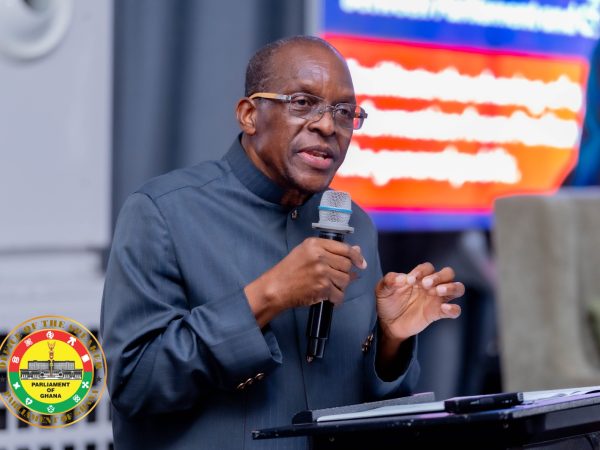
Opening the meeting, the Speaker of Parliament, Rt. Hon. Alban Sumana Kingsford Bagbin, welcomed Members back from their constituencies and urged them to participate actively in the business of the House.
The Majority Leader, Hon. Mahama Ayariga, subsequently presented the agenda for the meeting and outlined several Bills expected to come before Parliament for consideration.
Among the major legislative measures passed during the period were the Human Sexual Rights and Family Values Bill, 2025; Ghana Investment Promotion Authority Bill, 2025; Community Service Bill, 2026; Maritime and Related Offences Bill, 2026; National Defence University, Ghana Bill, 2026; Tribunals Bill, 2026; Customs Bill, 2026; Income Tax (Amendment) Bill, 2026; Value Added Tax (Amendment) Bill, 2026; Excise Bill, 2026; Ghana Cocoa Board Bill, 2026; and the Energy Sector Levies (Amendment) Bill, 2026.
The passage of the Human Sexual Rights and Family Values Bill followed earlier concerns raised by the Minority Caucus over the pace and manner of legislation in Parliament.
Speaking on behalf of Minority Leader Alexander Afenyo-Markin at the opening of the meeting, Deputy Minority Leader Patricia Appiagyei expressed concern over the extensive use of Certificates of Urgency to accelerate legislation.
She cautioned that the practice, which she said had been used in the passage of about 33 Bills during the First Meeting, could become a recurring feature of parliamentary business.
She also questioned why the Majority Caucus had not passed the Human Sexual Rights and Ghanaian Family Values Bill, popularly known as the Anti-LGBTQ+ Bill, at the time.
Parliament also considered the Mid-Year Review of the 2026 Budget Statement and Economic Policy of Government, presented by Finance Minister Dr Cassiel Ato Forson on Thursday, July 23, 2026.
Debate on the Mid-Year Budget Review subsequently took place from Tuesday, July 28, to Friday, July 30, with Members examining the government’s economic performance and policy direction for the remainder of the financial year.
The House further demonstrated its oversight responsibilities by processing 173 parliamentary questions, comprising 168 oral questions and five urgent questions, directed at Ministers and Heads of Constitutional Bodies. Six of the questions were subsequently withdrawn.
In addition to the Bills passed, Parliament considered a number of legislative proposals that remained at various stages of consideration when the House adjourned sine die.
These included the Interstate Succession Bill, 2025; Constitution of the Republic of Ghana (Amendment) Bill, 2025; Parliament (Transition) Bill, 2026; Conduct of Public Officers Bill, 2026; Economic and Organised Crime Office Bill, 2026; Public Procurement (Amendment) Bill, 2026; Minerals and Mining Bill, 2026; Parliament Bill, 2026; Budget Bill, 2026; and Criminal Offences (Amendment) Bill, 2026.
The House also considered 20 statutory instruments during the meeting, seven of which came into force.
Among the instruments that took effect were the Road Traffic Regulations, 2026; National Identity Register (Amendment) Regulations, 2026; Social Protection Regulations, 2026; Affirmative Action (Gender Equity) Regulations, 2026; National Health Insurance (Procedure for Exemption) Regulations, 2026; Education Regulatory Bodies (National Council for Curriculum and Assessment) Regulations, 2026; and Prisons Service (Parole) Regulations, 2026.
Parliament further adopted 11 Business Statements and recorded 48 Statements made by Members and Ministers on various national issues and government policies.
The House also approved the 2026 distribution formula for the Road Maintenance Trust Fund and passed resolutions covering three credit facility agreements, 12 bilateral agreements, one contract agreement, three power purchase agreements, three multi-year expenditure commitments, one concession agreement under a public-private partnership, one treaty, protocol or convention, and six mining leases.
Several reports were also presented and referred to the relevant committees, including Auditor-General’s reports, annual reports, Audit Committee reports and budget performance reports.
At the close of the meeting, Speaker Bagbin, Majority Leader Mahama Ayariga and Minority Leader Alexander Afenyo-Markin thanked Members for their participation and commitment to the business of the House.
The Parliamentary Media Relations Department, in its assessment of the meeting, said the period was marked by an “active legislative and oversight agenda” that reflected Parliament’s continued commitment to its constitutional mandate.
The Second Meeting of the Second Session of the Ninth Parliament was accordingly adjourned sine die on Friday, July 31, 2026, after 37 daily sittings during which the House considered legislation, financial agreements, parliamentary questions, reports, motions and other matters of national importance.
Source:Felix NYAABA/ expressnewsghana.com
About Author