

Parliament Passes 24-Hour Economy Authority Bill to Tackle Youth Unemployment
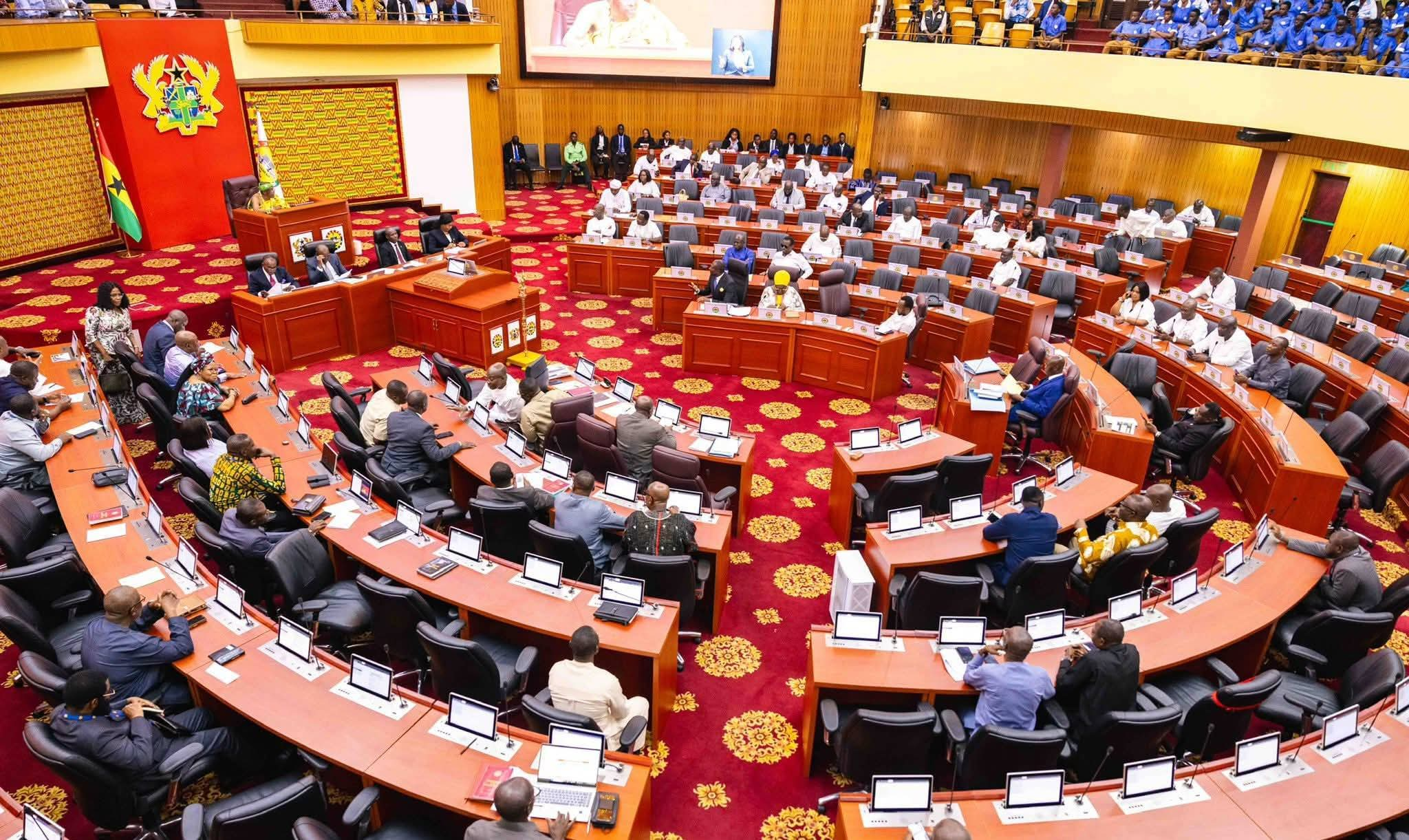
Parliament has approved the 24-Hour Economy Authority Bill, 2025, paving the way for the full implementation of President John Dramani Mahama’s flagship 24-hour economy policy aimed at reducing youth unemployment and accelerating industrial growth.
The bill was passed on Friday, February 6, 2026, and establishes the 24-Hour Economy Authority as a statutory body responsible for coordinating and overseeing the transition from Ghana’s traditional eight-hour workday to a multi-shift, round-the-clock production system.
The Authority will function as a central coordinating secretariat, facilitating collaboration among government ministries, agencies, and the private sector to ensure seamless 24-hour operations across key industries.
To incentivize private sector participation, the legislation provides a package of benefits for registered companies, including tax exemptions, fiscal rebates, reduced electricity tariffs during off-peak hours, as well as access to specialized financing and technical support to support night-time operations.
At the heart of the policy is a “three shifts, one job” model, which the government estimates will generate approximately 1.7 million jobs over the next four years, with a particular focus on addressing chronic youth unemployment.
The bill also incorporates supporting infrastructure measures, including improved street lighting, enhanced 24-hour security patrols, and expanded public transportation systems tailored to the needs of night-shift workers.
Consideration of the bill on the floor of the House sparked intense debate.
While the Majority Caucus described the legislation as a transformative step toward industrialization and job creation, the Minority Caucus raised concerns about potential institutional overlap, arguing that the new Authority could duplicate the functions of existing bodies such as the Ministry of Trade and Industry and the Ghana Export Promotion Authority.
Despite these concerns, the 2026 National Budget has allocated more than GH¢100 million to operationalize the Authority and support early adopters in priority sectors including manufacturing, pharmaceuticals, logistics, and health services.
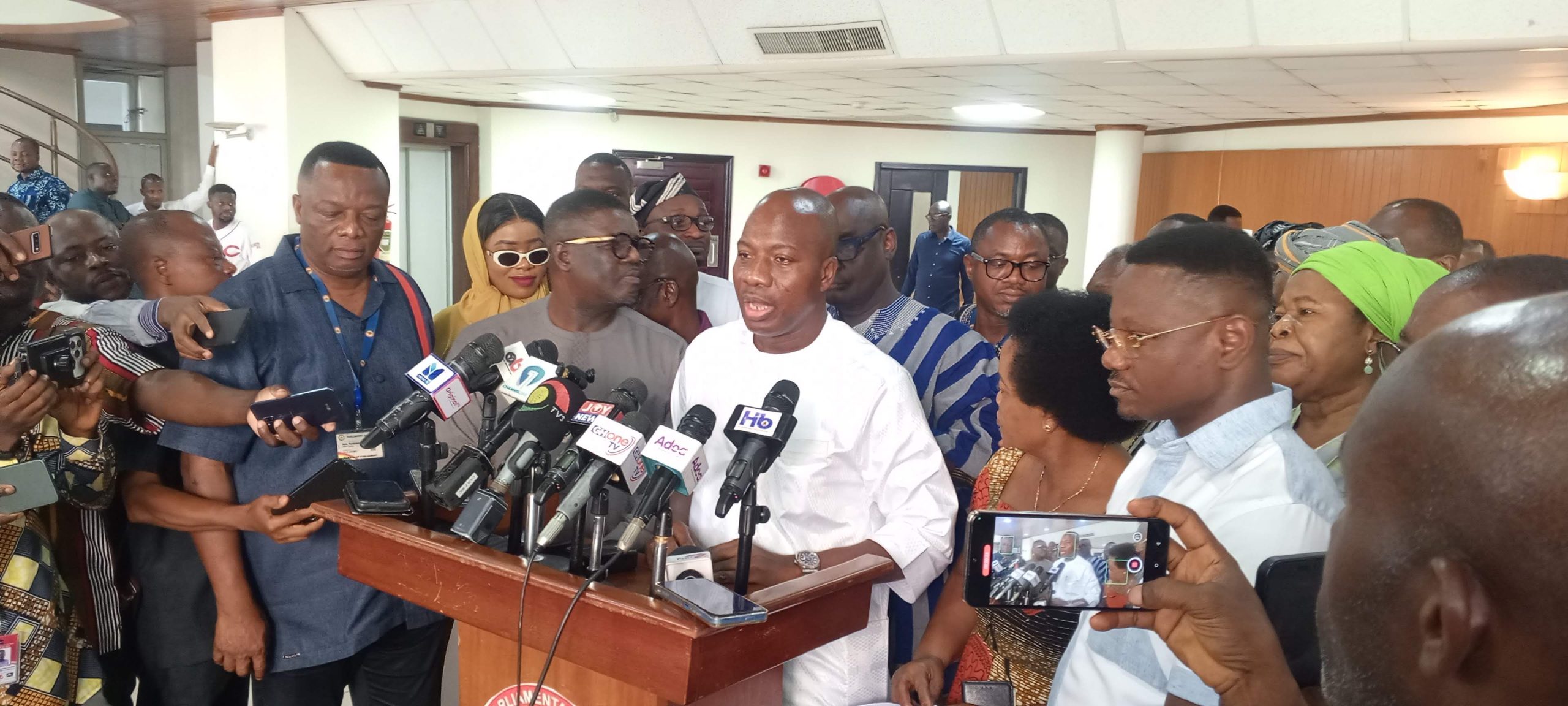
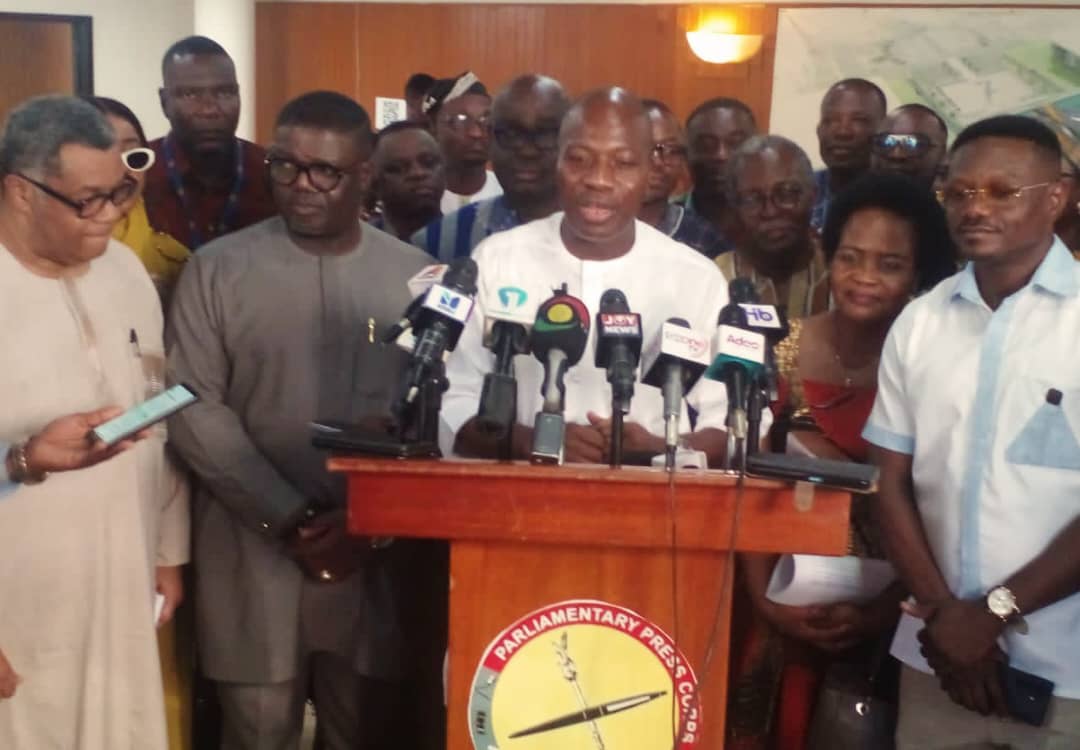
Addressing the Parliamentary Press Corps after the bill’s passage, Majority Leader Hon. Mahama Ayariga described the development as a major milestone in fulfilling a key promise to Ghanaians.
He referred to the Authority as the “engine room” of a new economic era, providing the legal framework needed to tackle unemployment at scale.
Mr. Ayariga dismissed claims of duplication, arguing that a centralized body is essential for coordinating complex issues such as security arrangements and energy tariffs across multiple sectors.
He described the Authority as a “one-stop shop” designed to eliminate bureaucratic bottlenecks that often constrain private sector growth.
Linking the policy to regional trade, the Majority Leader stressed that the success of a 24-hour production cycle depends on the free movement of goods across Africa under the African Continental Free Trade Area (AfCFTA).
He called for the removal of restrictive visa regimes, noting that continuous production is only effective if markets remain accessible.
He concluded by stating that extensive stakeholder consultations preceded the bill’s passage and declared the day a historic victory for Ghanaian workers, marking the official transition of the 24-hour economy from a campaign promise to national policy.
Source: Felix Nyaaba / expressnewsghana.com
About Author