
“Stop Rebuilding After Every Flood”: Weija-Gbawe MP Calls for Radical Shift in Ghana’s Flood Management Strategy
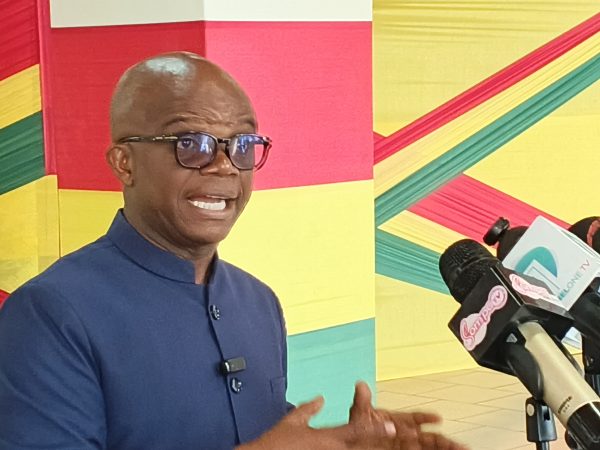
The Member of Parliament for Weija-Gbawe and Second Deputy Minority Whip, Hon. Jerry Ahmed Shaib, has called for a fundamental overhaul of Ghana’s approach to flood management, urging policymakers to move beyond recurring disaster response measures and embrace long-term climate-resilient urban development.
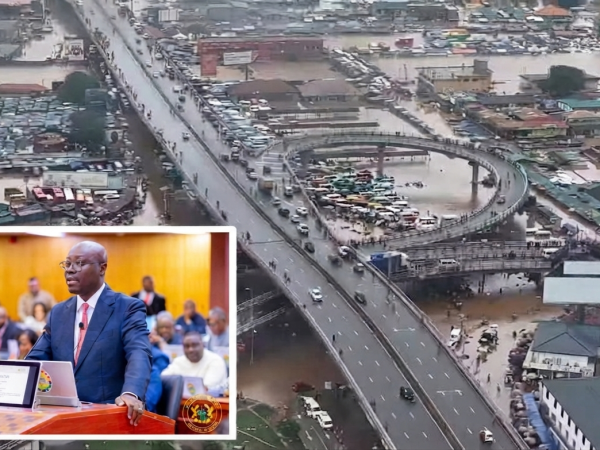
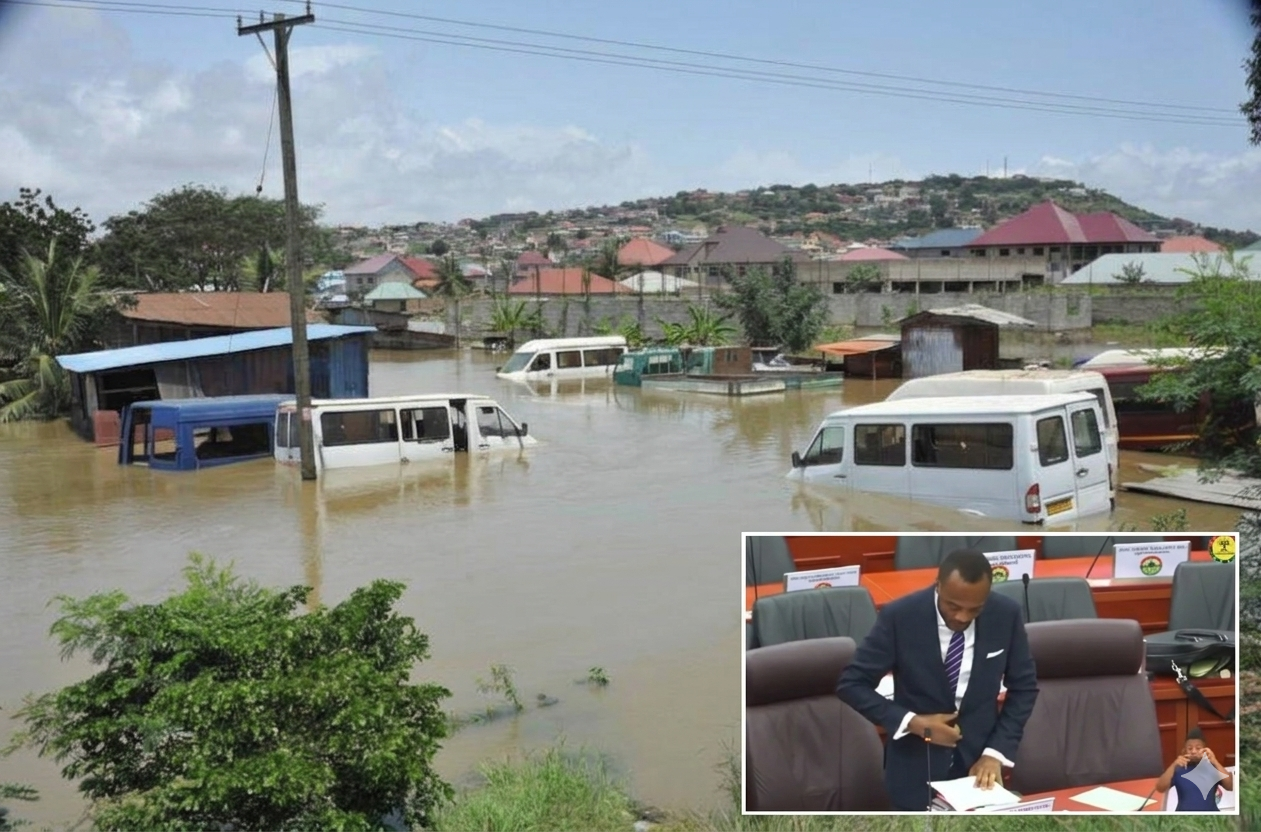
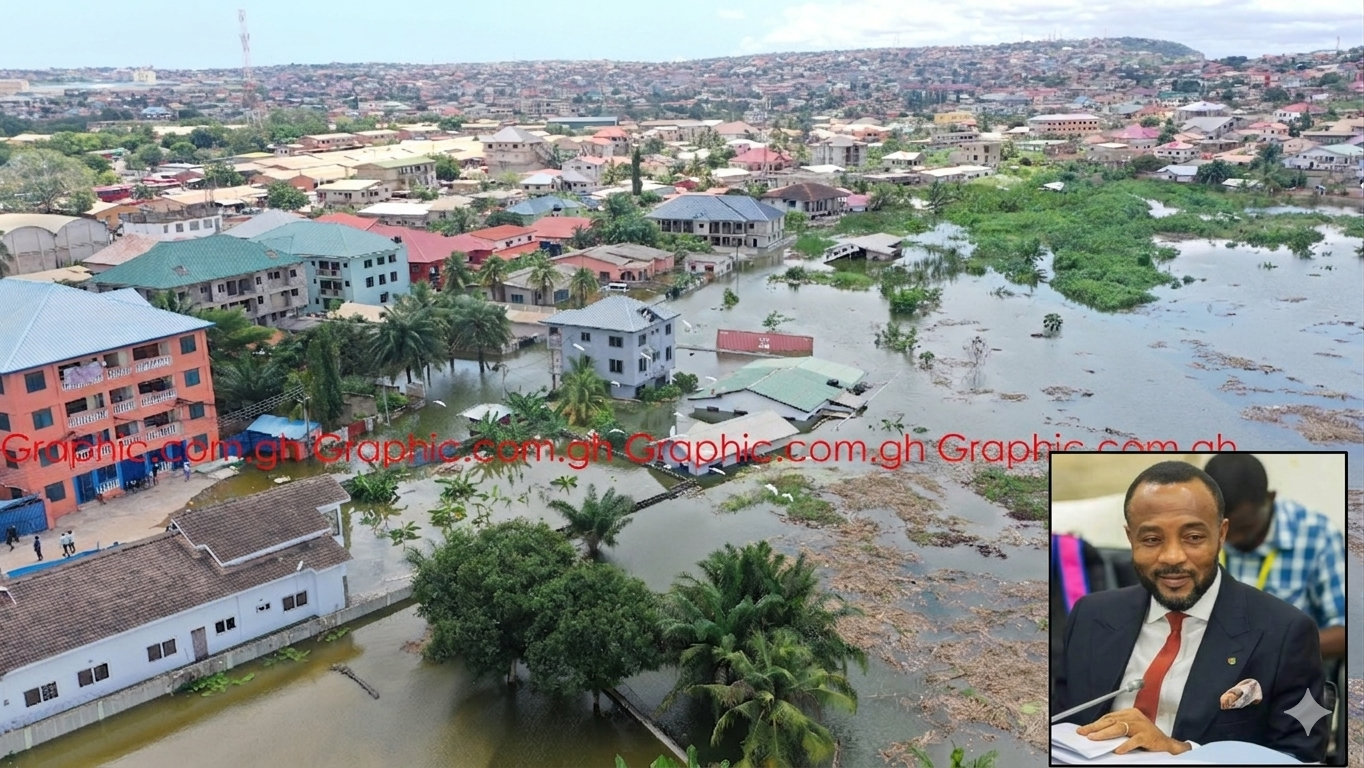
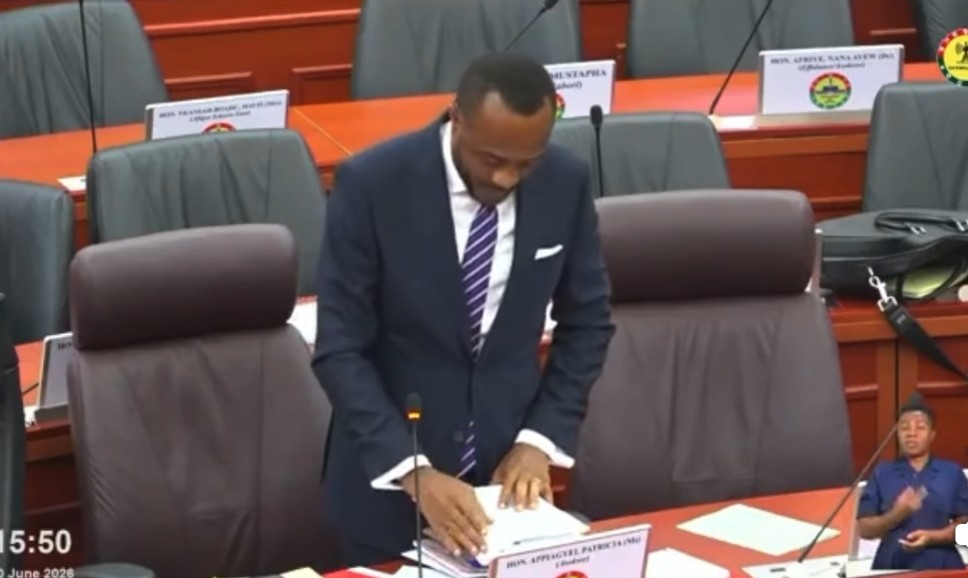
Delivering a statement on the floor of Parliament on Tuesday,June 9, the MP said the recent floods that ravaged parts of Accra should serve as a wake-up call for the country to rethink how it plans, builds, and protects its communities in the face of increasing climate-related risks.
According to him, flooding in Ghana has become a recurring national challenge largely because cities and communities continue to be developed in ways that leave water with nowhere to flow.
“For many years, our response to flooding has followed a familiar cycle. The rains come, communities are submerged, lives and livelihoods are disrupted, emergency relief is provided, drains are desilted, and when the waters recede, we return to business as usual until the next rainy season brings us back to this very same conversation,” he told Parliament.
Hon. Shaib, whose constituency has repeatedly experienced severe flooding, cited communities including Wiaboman, SCC, White Cross, Away, Tetegu, Oblogo, Kokroko, Borla Road, Weija, Gonse and Glefe as some of the areas that continue to suffer devastating consequences whenever heavy rains occur.
He stressed that while government must continue to provide relief support to affected families and undertake urgent desilting of drains in flood-prone communities, emergency interventions alone would not solve the problem.
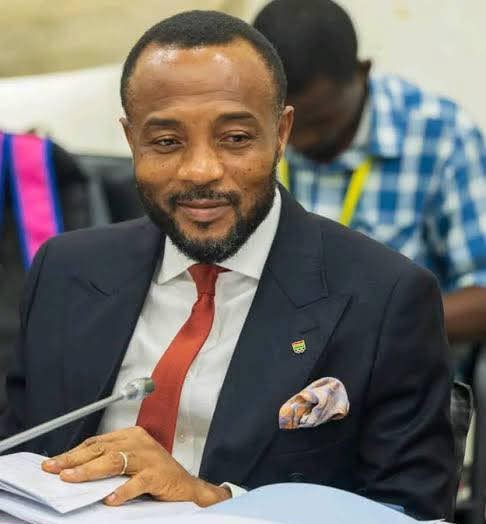
“We must move from fighting water to managing water; from responding to disasters after they occur to building communities that are resilient before disasters happen,” he stated.
The MP questioned how many times the nation would continue rebuilding the same communities after the same disasters without addressing the root causes of flooding.
“How many more times will we rebuild the same communities after the same disaster before we change the way we build our cities? Before we change our habits? Before we enforce accountability?” he asked.
Hon. Shaib also called on the Minister responsible for Works, Housing and Water Resources and other relevant ministers to appear before Parliament and provide a comprehensive update on government’s immediate, medium-term and long-term flood mitigation plans.
In addition, he sought answers on the status of the Flood Task Force established by President John Dramani Mahama, urging that its findings and recommendations be presented to Parliament for consideration.
The lawmaker further challenged Metropolitan and Municipal Chief Executives in flood-prone areas to present their preparedness and flood prevention strategies to Parliament, insisting that flood resilience requires accountability at every level of governance.
A key aspect of his proposal focused on reforming Ghana’s building and planning systems.
He argued that development approvals should no longer be based solely on structural safety but must also assess the impact of new projects on water flow and drainage.
“Our building approval systems must evolve. They must no longer ask only whether a structure can stand safely; they must ask a more fundamental question: What happens to the water when this structure is built?” he said.
He advocated stricter enforcement against illegal developments on waterways, the introduction of mandatory water impact assessments, rainwater harvesting systems, and the preservation of green spaces that naturally absorb stormwater.
The Weija-Gbawe MP also emphasized the importance of nature-based solutions, describing wetlands, floodplains and natural drainage corridors as critical infrastructure that must be protected rather than encroached upon.
“Our wetlands, floodplains, green corridors and natural drainage channels are not empty lands waiting for development. They are functional safety zones and part of our national flood protection system,” he noted.
He warned that the increasing replacement of natural surfaces with concrete and asphalt was worsening urban flooding and called for deliberate efforts to restore vegetation, create green corridors and promote permeable surfaces.
As part of a broader national response, Hon. Shaib proposed the development of a comprehensive Greater Accra Flood Resilience Plan that would bring together engineers, hydrologists, environmental scientists, urban planners, local authorities, traditional leaders and communities under a coordinated framework.
The proposed strategy, he explained, would focus on modern drainage infrastructure, wetland restoration, climate-sensitive urban planning, community education and stronger institutional accountability.
“The cost of prevention will always be less than the cost of rebuilding homes, restoring infrastructure and repairing lives after every disaster,” he stressed.
The MP urged Parliament to lead a historic shift in Ghana’s flood management philosophy.
“Let this Parliament not be remembered merely for how many times it talked about floods after they occurred. Let it be remembered as the Parliament that changed Ghana’s approach to flood management—from a cycle of disaster, relief and reconstruction to a future built on prevention, resilience and responsible development.”
He said the people of Weija-Gbawe, Greater Accra and Ghana as a whole deserve a safer and more resilient future in the face of growing climate challenges.
Source: expressnewsghana.com
About Author