

Overlord Ya -Naa Mahama Abukari II Dies After Reign That United Dagbon
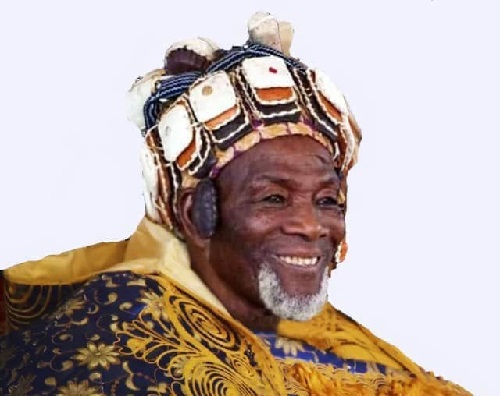
The Overlord of Dagbon, Ya Naa Mahama Abukari II, has died, bringing to an end a reign that became synonymous with peace, reconciliation and the restoration of unity in one of Ghana’s most influential traditional kingdoms.
Although the circumstances surrounding his death have not yet been officially disclosed, news of his passing has sent shockwaves across the Dagbon Kingdom and the country, with many describing it as the fall of “a mighty tree.”
Ya Naa Mahama Abukari II ascended to the revered Yendi Skin on January 18, 2019, following the successful implementation of the roadmap crafted by the Committee of Eminent Chiefs to end the protracted Dagbon chieftaincy conflict.
His enskinment brought closure to a 16-year succession dispute between the Abudu and Andani royal gates that had left the Yendi Skin vacant since the tragic killing of Ya Naa Yakubu Andani II during the 2002 conflict.
His accession was widely hailed as the dawn of a new era for Dagbon. Assuming the throne at a time when the kingdom was yearning for healing, he dedicated his reign to rebuilding trust, fostering reconciliation and restoring the prestige of the ancient Dagbon Kingdom.
Under his leadership, major traditional festivals and royal ceremonies that had been suspended for years due to the conflict were successfully revived, reinforcing cultural identity and strengthening unity among the people. His calm disposition, commitment to dialogue and respect for tradition earned him admiration both within Dagbon and across Ghana.
Born Mahama Abukari, popularly known as Bukali, in Mion, the late Overlord was a son of Ya Naa Mahama II, who ruled Dagbon from 1938 until 1948. Before becoming Ya Na, he served as Kpunkpono Naa and later as Savelugu Naa—one of the three gate skins from which a Ya Na was selected.
His elevation to the Yendi Skin followed months of painstaking mediation by the Committee of Eminent Chiefs, chaired by the Asantehene, Otumfuo Osei Tutu II, with the support of the Government of Ghana.
The peace process culminated in a historic settlement that restored stability to Dagbon after nearly two decades of division.
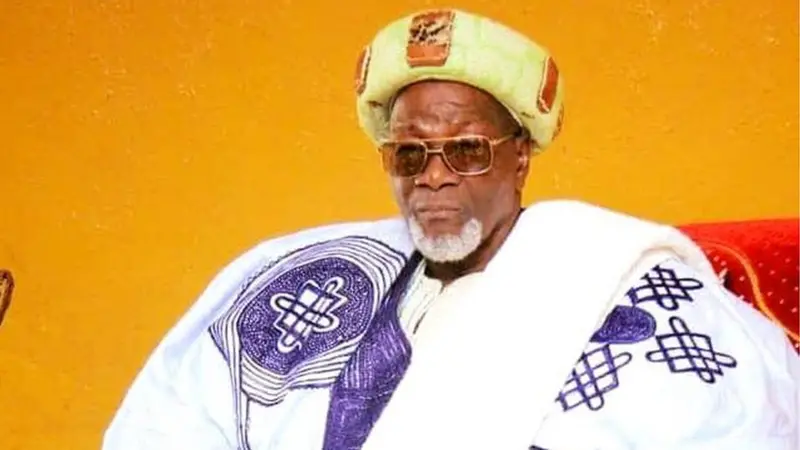
Throughout his reign, Ya -Naa Mahama Abukari II consistently preached peace, urging his people to place the unity and development of Dagbon above all differences.
“Peace is the greatest inheritance we can leave for future generations. Without peace, there can be no meaningful development.”
On another occasion, he reminded his subjects that:
“Dagbon is stronger when we stand together as one person, regardless of our backgrounds.”
Though remembered primarily as a peacemaker, the late Ya -Naa also championed education, youth empowerment and socio-economic development, using his traditional authority to encourage collaboration between government, development partners and the people of Dagbon.
His death marks the end of a historic chapter in the kingdom’s history. Having ascended the throne as the symbol of reconciliation after one of Ghana’s most painful traditional conflicts, Ya- Naa Mahama Abukari II leaves behind a legacy defined by unity, stability and the restoration of confidence in the Dagbon kingship.
Funeral arrangements are expected to be announced by the Dagbon Traditional Council in accordance with custom and tradition.
Source: expressnewsghana.com
About Author