

Building and Living Safer: Engineer Calls for Major Reforms to Prevent Ghana’s Annual Flood Tragedies
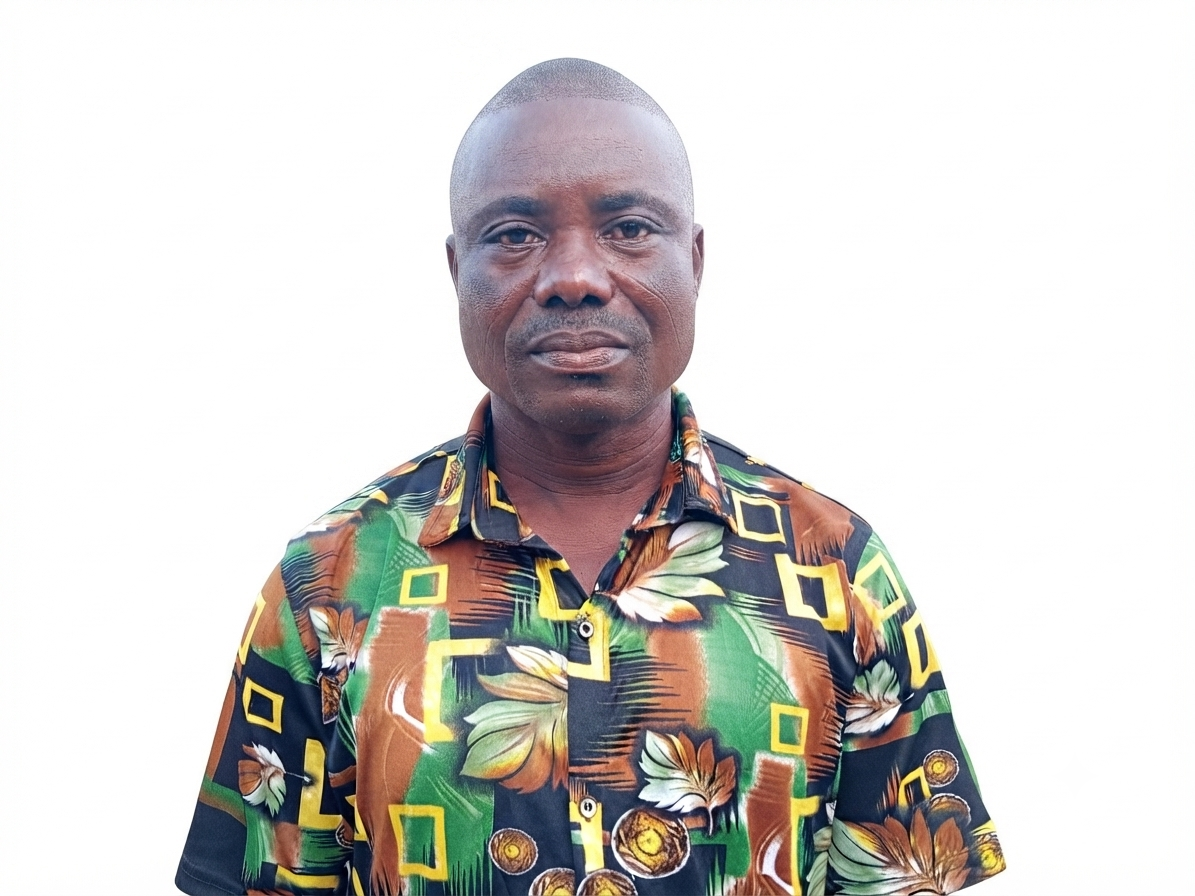
Ghana’s recurring flood disasters are not inevitable acts of nature but the result of poor planning, weak enforcement of building regulations, and irresponsible development, according to engineer John Amoah, who is calling for sweeping reforms in the country’s construction and urban planning systems.
Speaking in the wake of the recent devastating floods in Accra, Engr. Amoah, a former Council Member of the Institution of Engineering and Technology Ghana (IET-GH) and Head of the Estate and Development, Works, Physical Development and Facility Management Department at St. John Bosco College of Education in Navrongo, said the country must urgently adopt smarter building designs and stricter development policies to save lives.
“These disasters are not mere acts of nature but consequences of poor planning, inadequate building designs, and irresponsible development,” he said. “Ghana must rethink how it designs, approves, and constructs buildings if we are serious about protecting lives and securing our communities.”
He described the recent flooding in Accra as a painful reminder of the consequences of unplanned development, insisting that flood resilience requires a coordinated effort involving engineers, architects, physical planners, surveyors, policymakers and the public.
“The solution lies not only in engineering but in a holistic approach involving architects, physical planners, surveyors, policymakers, and every citizen committed to safer communities,” Engr. Amoah stressed.
Among his key proposals is the adoption of flood-resilient building designs, particularly in flood-prone communities. He recommended that residential buildings in such areas be designed with one or two storeys, where the ground floor is reserved for non-essential spaces such as garages, kitchens, storage rooms and carports, while the main living areas are located on upper floors.
“This simple but effective design strategy can significantly reduce the loss of lives and valuable property by keeping living spaces above floodwaters,” he explained.
Engr. Amoah also proposed reforms to Ghana’s building permit regime to address the growing problem of abandoned construction projects. He argued that many developments are left unfinished because owners begin construction without adequate financial resources, resulting in unsafe structures that endanger surrounding communities.
To tackle the problem, he suggested that building permits should only be granted to applicants who can demonstrate the financial capacity to fund at least 50 percent of the total estimated construction cost.
“Proof of financial readiness, such as bank statements or other verifiable documents, should accompany permit applications,” he said, adding that the policy would encourage responsible development, reduce abandoned projects and ensure that buildings are completed according to approved engineering and architectural standards.
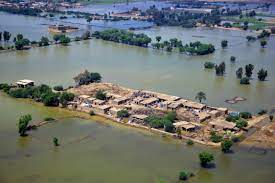
- floods in parkistan
He clarified that the proposal is not intended to deny Ghanaians the opportunity to own homes but rather to promote responsible construction based on realistic financial capacity.
“Those who are not yet financially prepared to undertake private construction should consider renting or taking advantage of government affordable housing programmes until they are ready,” he noted.
According to Engr. Amoah, engineering solutions alone cannot eliminate Ghana’s flooding challenges. He called for stronger urban planning, effective public policies, stricter enforcement of development regulations, environmental protection and greater public responsibility.
“The lessons from Accra’s floods must be transformed into meaningful nationwide action,” he said. “Good planning saves lives, good engineering protects communities, and responsible development secures Ghana’s future.”
He warned that the choices Ghana makes today will determine whether future generations inherit safer, more resilient communities or continue to endure avoidable disasters each rainy season.
The comments were shared in an article by journalist Joseph Napoleon Anaaya of Bolga FM, highlighting the growing call among professionals for comprehensive reforms to strengthen Ghana’s resilience against flooding and climate-related disasters.
Source: Joseph Napoleon Anaaya/expressnewsghana.com
About Author